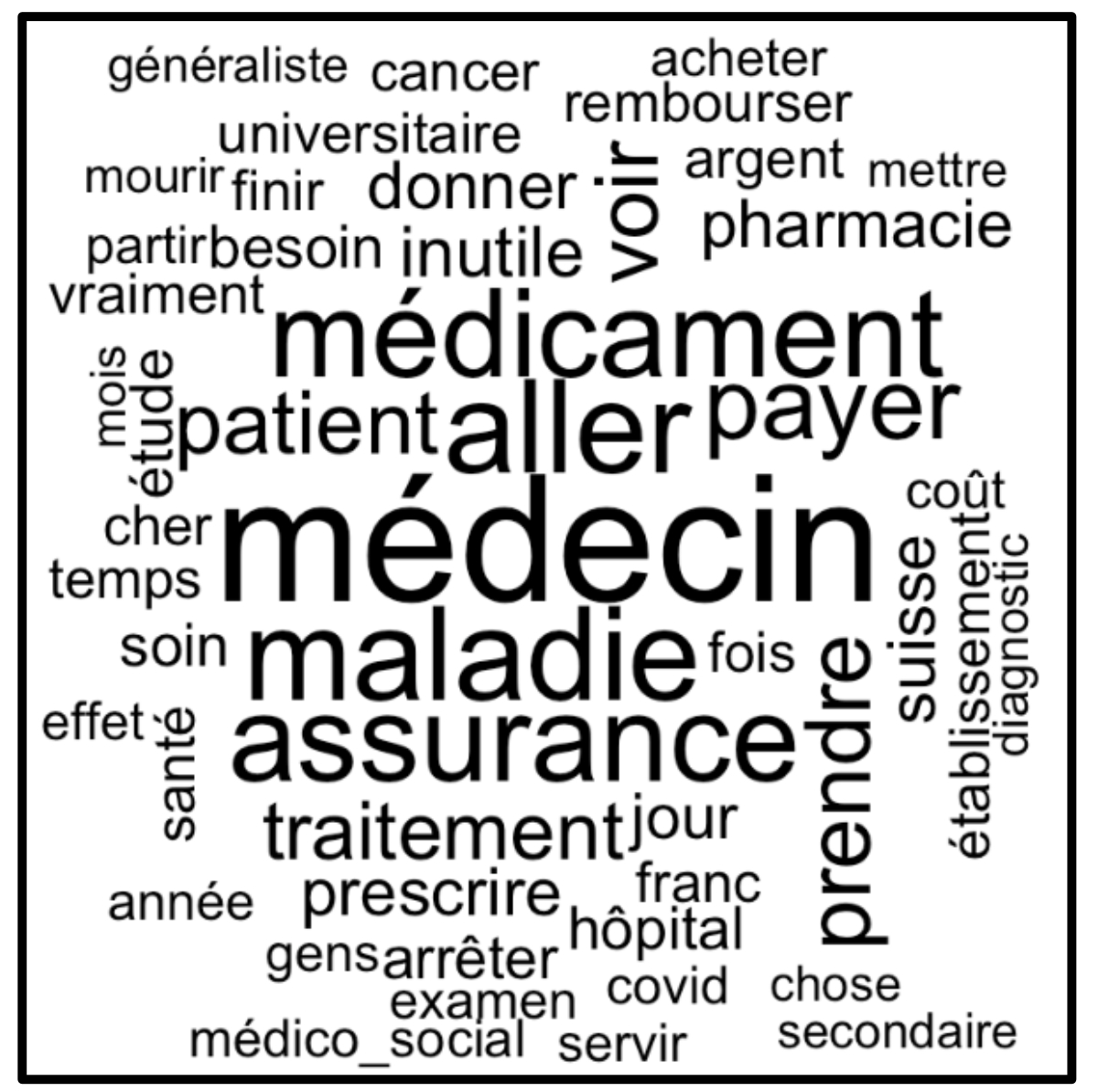
Figure 1Word cloud generated by IRaMuTeQ from the original comments in French (n = 86).
DOI: https://doi.org/https://doi.org/10.57187/5490
Overmedicalisation, defined as all medical practices that are not validated, without clear benefits and potentially dangerous, also known as low-value care (LVC), is an emerging issue. According to the Organisation for Economic Co-operation and Development (OECD), LVC accounts for approximately 20% of annual healthcare costs, representing CHF 16 billion in Switzerland. Launched in 2022, the national data stream, titled Low-Value Care in Medical Hospitalised Patients (LUCID NDS), aims to identify and monitor LVC in Switzerland, as well as raise awareness of overmedicalisation among patients and prescribers, to improve the discussion on the subject and reduce such practices. However, public awareness remains limited. Studies indicate that approximately 30% of the US population and over 50% of the German population are unaware of overmedicalisation issues. Therefore, communication plays a key role in ensuring transparency between researchers and the public, which is reflected in the growing presence of researchers on social networks and other media, as well as in increased patient involvement in research.
In August 2022, the LUCID NDS project was publicised in an online article titled “They want to track down unnecessary patient care” in the French edition of 20 Minutes, a general daily newspaper with approximately 3.087 million daily readers across Switzerland. The article reports that nearly half of Swiss residents have received unnecessary medical treatments, highlighting concerns about overmedicalisation, and describes the LUCID project and its aim to address this issue. A wide range of online reactions were elicited, including likes, reposts, and comments, which reflected both supportive and opposing perspectives on the topic. With the rising popularity of social media, the analysis of online comments has provided valuable insights into public opinion by reflecting personal experiences from diverse users who might not have been reached through standard channels. This trend encompasses discussions on the healthcare system, as evidenced during the COVID-19 pandemic. We thus took this opportunity to gain a better understanding of the public perception of overmedicalisation.
To maintain contextual accuracy, the analysis was conducted in French. However, for the purpose of preparing the results for publication in English, key terms, thematic categories, and illustrative excerpts were translated into English by MD, a medical student, and cross-checked with EJ, a native English-speaking editor and French speaker.
To explore the perspectives of the Swiss French-speaking public on the matter, all 89 comments published under the online press article were collected and transcribed into a plain text file. The comments were cleaned and standardised, and multidimensional, computer-assisted textual analyses were conducted using the IRaMuTeQ software. The most frequently used words (figure 1) were explored.
Figure 1Word cloud generated by IRaMuTeQ from the original comments in French (n = 86).
The comments were then automatically grouped into distinct thematic classes (figure 2) following the Reinert method, a well-established textual data clustering technique. This method identifies patterns of word co-occurrence within the text to reveal underlying topics or themes.
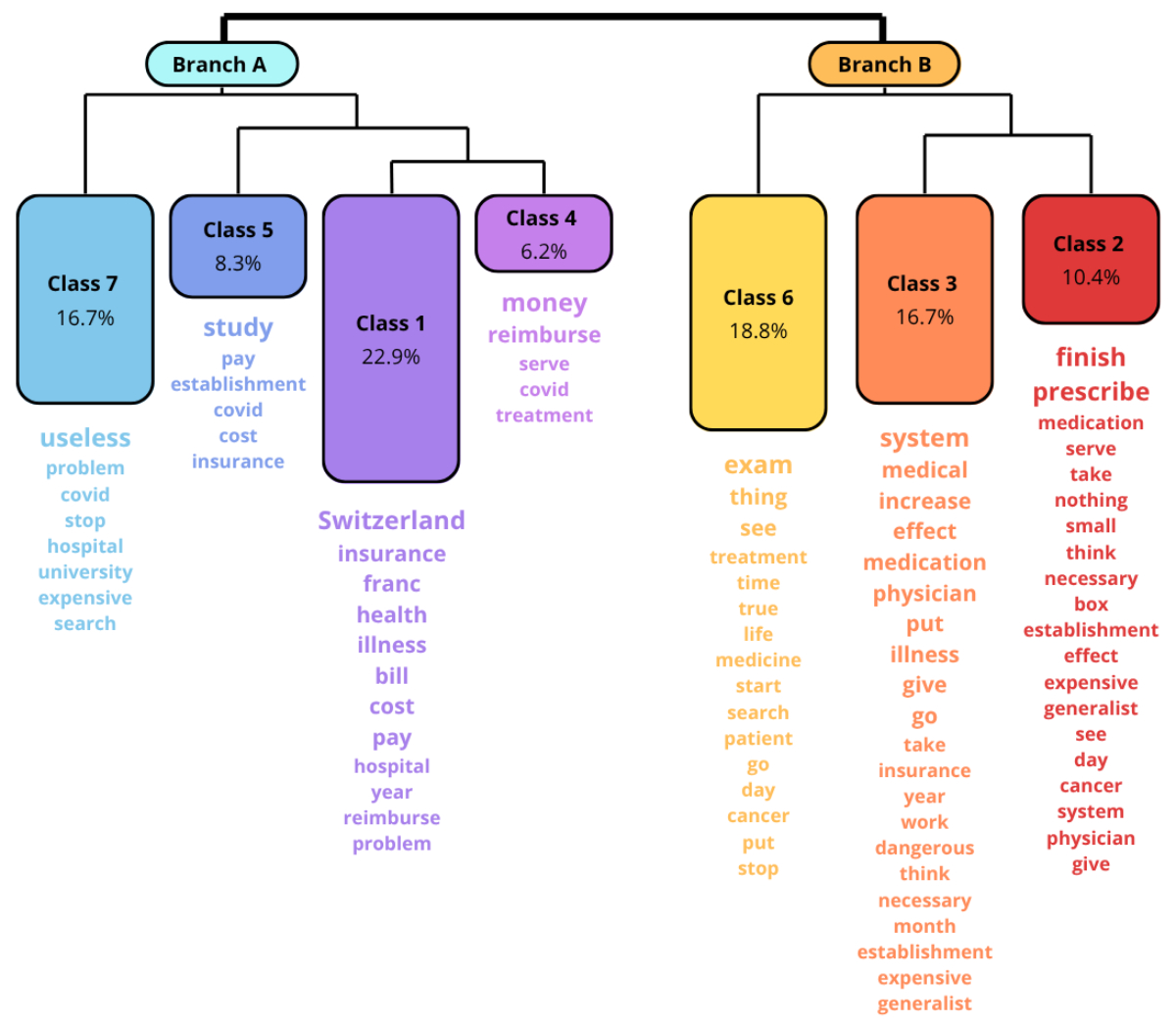
Figure 2English adaptation of the dendrogram generated by IRaMuTeQ (n = 48 comments).
Next, all comments within each class were reviewed in full to identify the prevailing theme. To reinforce the robustness of the interpretation, a multidisciplinary panel including physicians, researchers, and a patient representative validated the thematic categorisation.
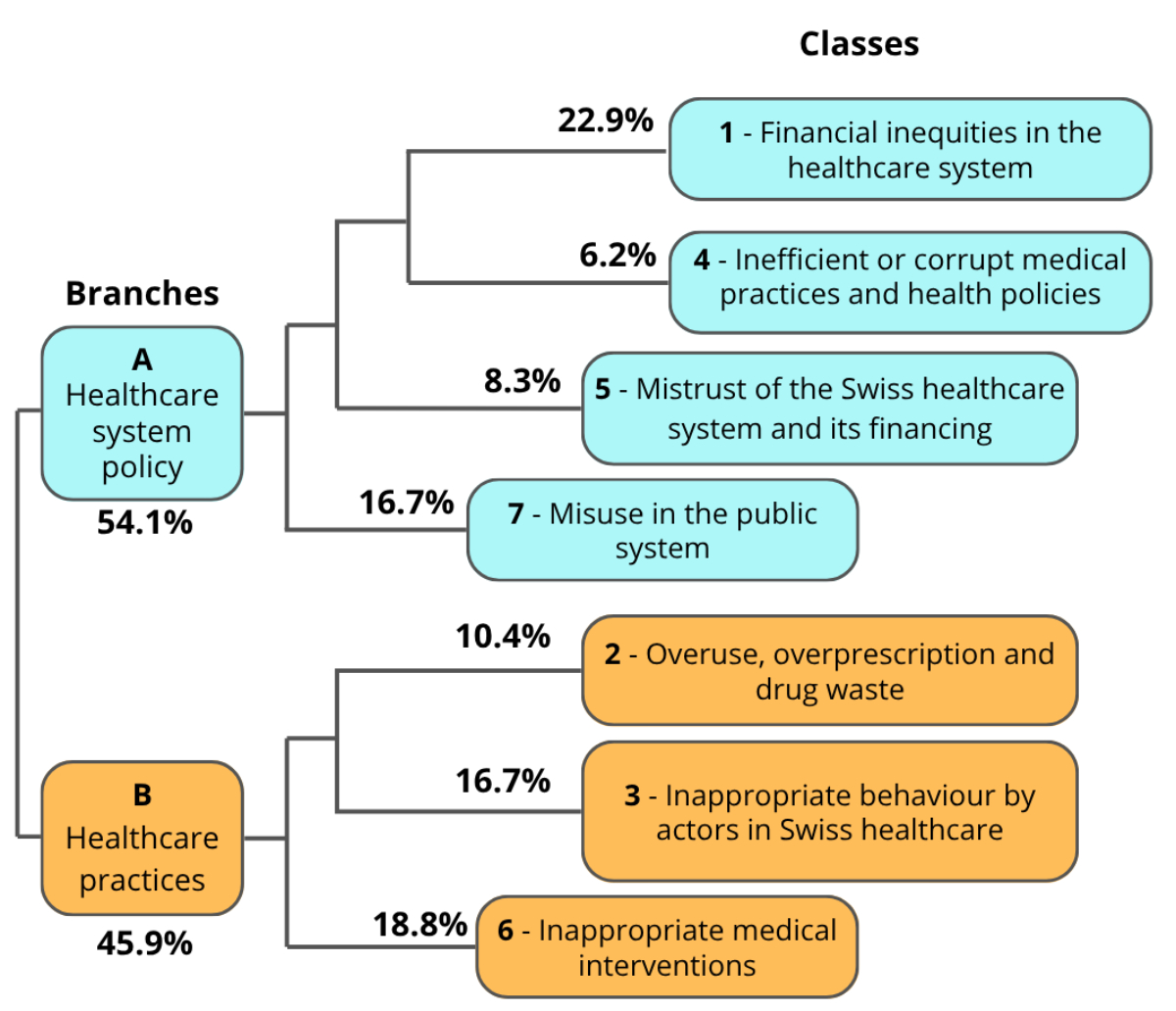
Figure 3Adaptation of the previously generated dendrogram with the addition of titles and labels.
As illustrated in figure 3, two overarching themes emerged from the data: a) mistrust in healthcare system policy, with concerns about cost, transparency, equity, and institutional integrity; and b) criticism of certain healthcare practices, with perceived overuse of diagnostics and treatments, along with calls for better communication between patients and providers.
This theme (54.1% of comments) encompasses four semantically similar classes that commonly critique political decisions in Switzerland and indicate perceived failings in its healthcare system. Several readers expressed frustration over high costs and billing structures deemed opaque, which are consequently perceived as discouraging necessary care, as illustrated by the following comment:
“There are people with cancer who, after years of treatment, decide to go [see their physician] less often to save a few bucks. Health shouldn’t have a price, and […] I pay for everything because of a high deductible, so I think twice when I have one thing or another! I wanted a psychologist to help me but gave up because I couldn’t afford it!”
Others denounced the two-tier nature of care, in which beneficiaries of private insurance seem to be quickly offered expensive interventions that would have been deemed unnecessary for patients with basic health coverage. This echoes broader concerns about financial incentives distorting medical decision-making, especially in private clinics.
The integrity of institutions such as the École polytechnique fédérale de Lausanne (EPFL) and public hospitals was also questioned by several readers, who portrayed them as disconnected from real public concerns, accusing them of misusing public funds to conduct “useless studies”. Such comments reveal a deeper mistrust not only towards physicians but also towards academic and research institutions.
The three classes this theme comprises address different aspects of healthcare practices; however, users in this group converge on the need for more responsible, transparent, and patient-centred medical practices.
Several readers described their first-hand experiences of seemingly unnecessary procedures or expressed feelings that their autonomy was undermined by what they viewed as overly prescriptive or paternalistic physicians.
Inappropriate prescribing and medication waste were also frequently mentioned. Comments criticised large packaging sizes, the use of medications to treat side effects of other drugs, and a perceived tendency to medicate rather than engage in shared decision-making.
One comment highlighted shared responsibility in those issues: “We all have a role to play! Patients should avoid going to the physician for no good reason. And they [patients] must discuss with them [doctors] the proposed treatment, medications, and options in alternative medicine. You must be in partnership with your physician in a climate of trust […]”.
Specific ideas for improvement were also raised, including enhanced monitoring of junior physicians, mandatory internships in general practice for hospital doctors, and broader use of electronic medical records to reduce redundant testing.
Readers’ concerns over financial inequalities and systemic challenges within the healthcare system align with findings from a 2015 Swiss study, which highlighted the importance of monitoring economic pressures on healthcare providers to ensure that they do not compromise care quality.
To address these systemic challenges, the Swiss Federal Council introduced the Health 2030 Strategy action plan in 2019. This initiative seeks to enhance cost transparency, promote digital health, and improve the public’s understanding of healthcare costs and processes. These measures aim to reduce inequalities and empower patients with the knowledge necessary to make informed decisions about their care.
Efforts to address overmedicalisation are central in initiatives such as the international Choosing Wisely campaign and its Swiss branch, Smarter Medicine. These programmes aim to mitigate overmedicalisation through evidence-based recommendations for both healthcare providers and patients. Specifically, Smarter Medicine has introduced guidelines in collaboration with patient associations, suggesting questions patients can ask their physicians to promote communication and shared decision-making.
A substantial strength lies in the exploration of unfiltered public discourse, which offers an authentic and direct insight into opinions on a sensitive subject. Although more nuanced perspectives tend to be under-represented among online comments, which predominantly express extreme opinions (positive or negative), such raw opinions may not have been captured through standard research methods.
It is important to note, however, that our sample is small and demographically skewed, as the 20 Minutes readership may reflect specific characteristics that differ from the general population. Furthermore, the online nature of data collection may have led to the underrepresentation of individuals with lower digital engagement. The language of the article and its comments further limits the results mostly to the French-speaking Swiss population, which represents about 20% of the country, and French-speaking foreign workers in Switzerland, estimated at 231,456 individuals in the third trimester of 2024.
Nevertheless, by cross-validating our analysis through a multidisciplinary panel and applying a well-tried method, the reliability and robustness of the human analysis that complements the software have been reinforced.
The results of this study demonstrate the need for further efforts to tackle both overmedicalisation and financial inequalities. However, they also distinctly highlight the need for better communication to restore public confidence in the healthcare system and address the feeling of immutability expressed in the comments. This is made especially apparent by the fact that most (if not all) concerns shared by users are already at the core of ongoing initiatives.
Moreover, enhancing health literacy and fostering shared responsibility between patients and providers are critical to ensuring sustainable healthcare practices. Promoting initiatives such as the Smarter Medicine guidelines and digital health tools outlined in the Health 2030 Strategy could contribute to empowering patients and improving transparency, ultimately bridging gaps between the public and healthcare stakeholders.
The observed mistrust in the healthcare system and its actors aligns with findings at the international level. A global survey conducted across 144 countries in 2018 revealed that only a quarter of respondents expressed high levels of trust in governments and health workers. Given the significant variability in trust across demographic groups, the authors emphasised that selecting the correct messengers for each audience could be just as important as the content of the messages themselves.
Despite the small sample size and limited generalisability to the entire Swiss population, the results of this study provide meaningful insights into public perceptions of the healthcare system, particularly regarding concerns over financial inequalities and inadequate medical practices. However, several initiatives with a national scope addressing these issues are already in motion, suggesting a lack of public awareness about these efforts. Therefore, it seems essential to communicate policy initiatives more effectively in order to foster trust, accountability, and equitable access to high-quality care, while also promoting a shared sense of responsibility between patients and healthcare providers through improved health literacy and shared decision-making.
The authors did not receive any financial support for the preparation of this manuscript.
All authors have completed and submitted the International Committee of Medical Journal Editors form for disclosure of potential conflicts of interest. No potential conflict of interest related to the content of this manuscript was disclosed.