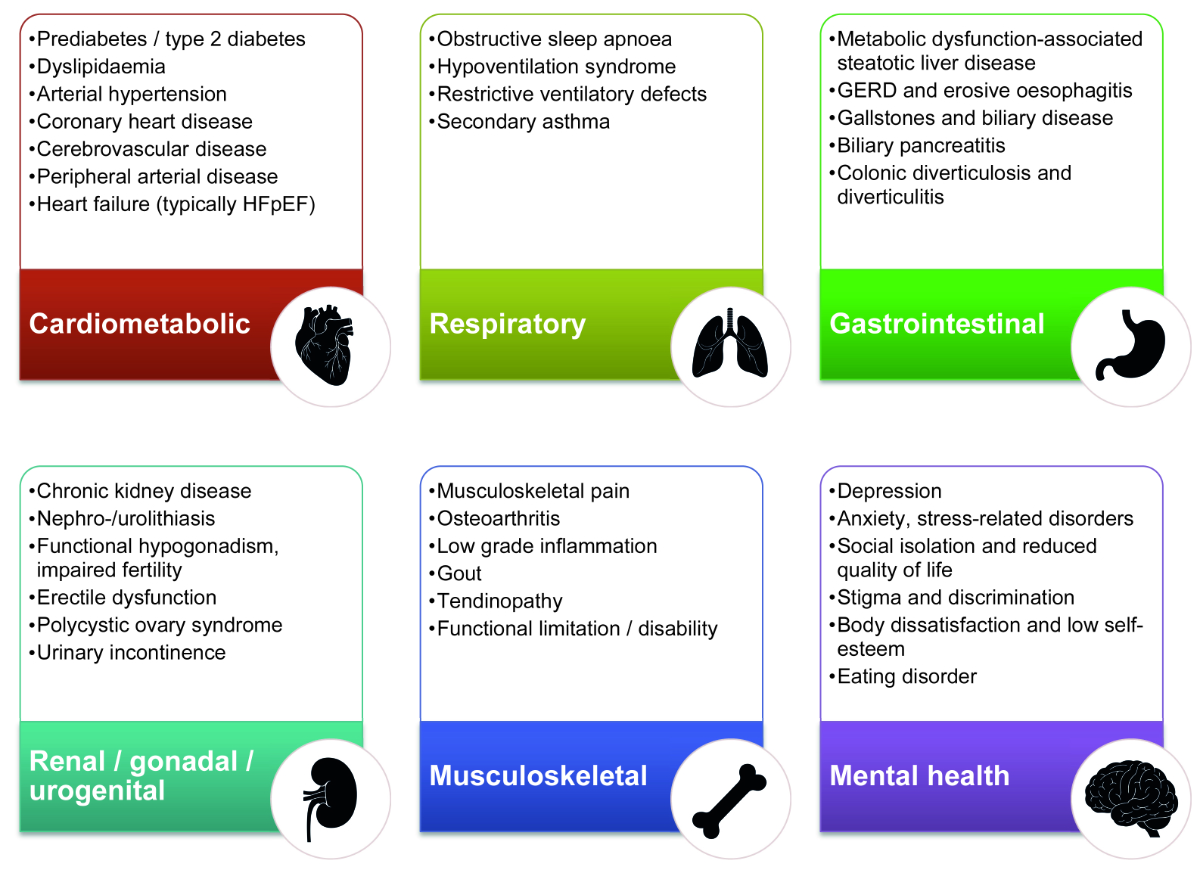
Figure 1Major complications and health consequences of obesity. Abbreviations: GERD, gastroesophageal reflux disease; HFpEF, heart failure with preserved ejection fraction.
DOI: https://doi.org/https://doi.org/10.57187/5415
Obesity is a chronic, relapsing, and multifactorial disease characterised by abnormal or excessive adiposity that compromises health. Its underlying aetiology involves complex interactions among genetic, physiological, environmental and socioeconomic determinants [1].
The prevalence of obesity has reached epidemic proportions globally, with significant public health and economic consequences. Worldwide, its prevalence has nearly tripled since 1975 [2, 3]. In Switzerland, approximately 43% of adults are overweight or obese (12% with a body mass index [BMI] ≥30 kg/m²), contributing substantially to both direct healthcare costs and indirect costs [4]. The associated comorbidities – including type 2 diabetes mellitus, cardiovascular diseases, mental health issues, certain types of cancers and musculoskeletal disorders – are major drivers of the obesity-related medical and economic burdens.
Recognising obesity as a chronic disease, rather than a consequence of personal lifestyle choices, is essential for the effective and ethical provision of medical care [5]. As with other chronic diseases, optimal care requires structured guidance grounded in medical expertise, prompting the creation of this Swiss practice guidance document.
This guidance is anchored in several key principles: we advocate for a model of shared decision-making to formulate individualised treatment plans. The objective has been broadened from weight loss alone to include improvements in overall health metrics and the achievement of functional gains. Crucially, we mandate a non-stigmatising approach, underscoring that eradicating weight bias in clinical language and practice is vital for therapeutic trust, patient engagement and equitable care delivery.
Obesity-related stigma causes significant psychological harm and is a barrier to effective treatment. It manifests as societal and healthcare prejudice, leading affected individuals to experience judgement, guilt and disrespect, which can negatively affect trust in healthcare professionals and reduce treatment adherence [6].
A key consequence is internalised stigma, where individuals accept negative weight stereotypes, which fosters low self-esteem, self-blame and avoidance of care, and is linked to eating disorders, psychological distress and treatment failure [7]. Therefore, early detection of internalised stigma, ideally during the initial consultation using validated tools (e.g. the Weight Bias Internalisation Scale [WBIS] [8]) or careful clinical assessment, is recommended to enable timely referral for psychological support [9].
Management of obesity-related stigma requires an empathetic, non-judgemental approach that integrates three core components: psychoeducation to deconstruct prejudices, evidence-based psychotherapeutic interventions (notably cognitive-behavioural and acceptance-based therapies), and strategies to promote body respect and self-esteem. Creating a supportive care environment is crucial, which relies on non-stigmatising communication and respectful language to foster therapeutic alliance and adherence [10]. The key clinical actions to reduce obesity-related stigma are summarised in table 1.
Table 1Key clinical actions to reduce obesity-related stigma.
| Area of action | Action performed |
| Screening | Systematically assess for internalised stigma early in care and throughout care. |
| Treatment | Provide psychoeducation, evidence-based therapies, and promote self-acceptance. |
| Environment | Train all team members in consistent, non-stigmatising practices, such as using person-centred, nonjudgemental language that fosters collaboration between individuals and healthcare professionals, including person-first language (e.g. ‘person with obesity’ rather than ‘obese person’). |
It is recommended to screen all individuals for overweight and obesity by assessing BMI during routine physical examinations. Thus, weight measurement should be performed routinely in primary care, in particular in patients at high cardiometabolic risk or those undergoing treatments associated with weight gain. BMI is the primary diagnostic and classification tool for obesity, as defined by the World Health Organization (WHO). However, since these classifications are largely based on data from Caucasian populations in Europe and North America, we advise using lower BMI cutoffs (≥23.0 kg/m² for overweight and ≥27.5 kg/m² for obesity) for South Asian, Chinese and Black African populations to better reflect associated health risks [11].
In addition to BMI, further assessment of excess adiposity – through body composition analysis or, when unavailable, waist circumference (≥102 cm for men, ≥88 cm for women) or waist-to-height ratio (≥0.5) [12] – is recommended for cardiometabolic risk stratification. This approach is particularly relevant for individuals with a BMI of 25–29.9 kg/m², where excess adiposity and metabolic risk may not be fully captured by BMI alone. Body composition analysis provides valuable insights into fat distribution and lean body mass (approximately half of which is muscle), although measurement accuracy and precision vary substantially between techniques [13]. Repeated assessments during treatment are recommended to tailor interventions (e.g. efforts to preserve or increase muscle mass) to individual patient needs.
A comprehensive medical history should be taken, emphasising weight history (including age of onset of excess weight, previous weight loss attempts and factors contributing to weight regain), comorbidities or potential symptoms for secondary obesity causes (e.g. hypothyroidism), medication use, family history and lifestyle factors (e.g. diet, physical activity, smoking and sleep). Special attention should be given to reproductive health, particularly in women, with evaluation of female-specific risk factors such as a history of pregnancy complications, polycystic ovary syndrome, premature ovarian insufficiency or menopause.
Obesity-related comorbidities should be actively sought (figure 1). The American Association of Clinical Endocrinology (AACE) proposes a staging system based on obesity-related disease burden: Stage 1 (no obesity‑related diseases), Stage 2 (one or more mild to moderate obesity‑related diseases) and Stage 3 (at least one severe obesity‑related disease and/or complication) [14]. As part of a structured assessment, neck circumference is a simple anthropometric marker of upper‑airway adiposity. It is incorporated into widely used obstructive sleep apnoea screening tools (e.g. 1. STOP-Bang Questionnaire, NoSAS Score [15]), making it particularly relevant in individuals with obesity at risk of obstructive sleep apnoea [16]. Blood pressure must be monitored regularly with an adequately sized cuff, particularly in individuals on antihypertensive medications during weight loss, as dose reduction is often required after a 3-5% weight loss. In patients with obesity who present with exertional dyspnoea, unexplained fatigue, oedema or other symptoms suggestive of heart failure, a cardiologic work‑up including measurement of natriuretic peptide and transthoracic echocardiography to evaluate for heart failure with preserved ejection fraction is recommended. In individuals with additional metabolic risk factors, particularly type 2 diabetes mellitus, non‑invasive case‑finding for metabolic dysfunction-associated steatotic liver disease (MASLD) with advanced fibrosis is recommended, using a stepwise approach with simple fibrosis scores (e.g. FIB‑4) followed, when indicated, by elastography, and, if appropriate, referral to hepatology [17]. When initiating potent weight loss interventions with anticipated losses exceeding 10%, it is essential to evaluate osteoporosis and sarcopenia risk, particularly in postmenopausal women and other vulnerable groups, such as oncology patients on antihormonal therapy or individuals with concomitant chronic inflammatory diseases. Baseline and follow-up bone densitometry (DXA) are recommended in at-risk patients to guide decisions on initiating concurrent preventive or therapeutic interventions [18]. Notably, bone densitometry can be combined with body composition and visceral fat assessment using newer-generation DXA devices.
Figure 1Major complications and health consequences of obesity. Abbreviations: GERD, gastroesophageal reflux disease; HFpEF, heart failure with preserved ejection fraction.
Further, standard laboratory testing should include markers of cardiometabolic health: glucose homeostasis (e.g. glycated haemoglobin [HbA1c]), lipid profile, liver (including FIB-4 score) and kidney function, and, where indicated, additional tests to quantify low-grade inflammation, assess heart failure risk or rule out secondary causes of obesity (e.g. hypothyroidism). Secondary obesity is uncommon and, in most cases, can be reasonably excluded based on careful medical history and physical examination (table 2). Routine genetic testing is not advised but reserved for patients with a history of early-onset obesity, as monogenic or syndromic forms of obesity are rare and typically manifest in early childhood.
Risk stratification should be based on comorbidity burden and cardiometabolic risk. Notably, the SCORE2 cardiovascular risk prediction score, recommended in European countries, does not incorporate BMI or other adiposity measures and may underestimate risk in individuals with excess visceral fat or metabolic comorbidities (e.g. MASLD).
Table 2Facilitating factors of primary obesity, causes of secondary obesity, and methods for their evaluation.
| Causes | Examples | How to evaluate |
| Genetic | Polygenetic susceptibility (common gene variants) | Family history (genetic tests not recommended) |
| Monogenic causes (e.g. MC4R, POMC, LEPR and leptin deficiency) | History of very early onset (<5 years) severe obesity and hyperphagia | |
| Syndromic forms of obesity (e.g. Prader–Willi and Bardet–Biedl syndromes) | Developmental delay, dysmorphic features | |
| Hypothalamic | Inflammatory, neoplastic, infectious, vascular and cystic lesions | History (hyperphagia, visual and other symptoms/endocrine dysfunction) and imaging |
| Brain surgery | History | |
| Brain radiation | History | |
| Endocrine | Hypothyroidism | TSH measurement |
| Cushing’s syndrome | Salivary cortisol, dexamethasone suppression test | |
| PCOS | History, clinical features and gynaecological evaluation/ultrasound | |
| (Premature/early) menopause and post-pregnancy weight retention | History (other symptoms) | |
| Drug-related | Antidepressants | History/clinical records (weight increase related to initiation or dose titration) |
| Neuroleptics | ||
| Antiepileptics | ||
| Insulin and sulfonylureas | ||
| Anti-retroviral therapy | ||
| Corticosteroids and immunosuppressants | ||
| Mental disorders | Depression | History |
| Emotional eating | ||
| Binge eating disorder | ||
| Night eating disorder | ||
| Lifestyle | Suboptimal diet (high intake of fat, added sugars and refined carbohydrates, ultra-processed foods, low fibre and low nutrient density) | History (including questionnaires and wearables) |
| Sedentary lifestyle and low activity due to health limitations (chronic pain and walking disability) | ||
| Smoking cessation and cannabis use | ||
| Sleep disorder, disturbed day-night rhythm and shift work | ||
| Alcohol consumption | ||
| Socioeconomic and sociocultural | Low income, low education and literacy, cultural norms about body size, food culture and social eating, stigma, discrimination and stress | History |
Abbreviations: LEPR, leptin receptor; MC4R, melanocortin 4 receptor; PCOS, polycystic ovary syndrome; POMC, pro-opiomelanocortin; TSH, thyroid-stimulating hormone.
An essential aspect of medical evaluation during treatment follow-up, apart from evaluating treatment response and lifestyle behaviours, is the monitoring and identification of intervention-related side effects and complications. Additionally, it is important to document relevant events throughout the treatment course, including pregnancy, particularly during periods of marked negative energy balance.
Given the importance of psychosocial aspects and functional outcomes, we recommend a structured evaluation of daily functioning, health-related quality of life (e.g. EQ-5D-5L), social determinants and psychological well-being, ideally using validated instruments [19]. This evaluation should include systematic screening for depression and eating disorders. In addition, we advise the use of standardised tools to quantify mobility and physical function, including physical performance tests (e.g. the 6‑minute walk test [20] and handgrip strength [21]) and/or patient-reported physical function scales (e.g. the BODY-Q [22]).
In chronic weight management strategies, treatment response is often operationalised in purely numerical terms (i.e. percentage total body weight or excess body weight reduction from baseline), which often underpins regulatory approval and reimbursement decisions. However, the treatment of overweight and obesity pursues multiple clinically relevant goals that extend well beyond changes in body weight.
The clinical team should emphasise health benefits beyond numerical weight loss, including the prevention, improvement and/or resolution of cardiometabolic comorbidities, gains in physical and psychological functioning and improved health-related quality of life. In addition, the durability of weight loss and prevention of weight regain are vital to avoiding weight cycling (the “yoyo effect”).
Effective obesity management requires a structured organisation of care across non-specialist and specialist settings. Specialised obesity services should be prioritised for individuals with obesity complicated by relevant comorbidities or presenting with specific vulnerabilities that increase their risk of adverse outcomes. Depending on the local healthcare landscape, diagnostic work-up for such a clinical constellation may be initiated in primary care or by specialists from other disciplines (e.g. hepatology, cardiology or nephrology) within a multidisciplinary collaborative network. After initial assessment, referral to a specialised medical obesity centre or an obesity-specialised endocrinologist/diabetologist is recommended for individuals with obesity classified as WHO Class II (BMI ≥35.0 kg/m²) or AACE Stage 3 (obesity with at least one severe obesity-related disease/complication). The interaction between primary care/non-specialist management and specialised medical obesity services is illustrated in figure 2.
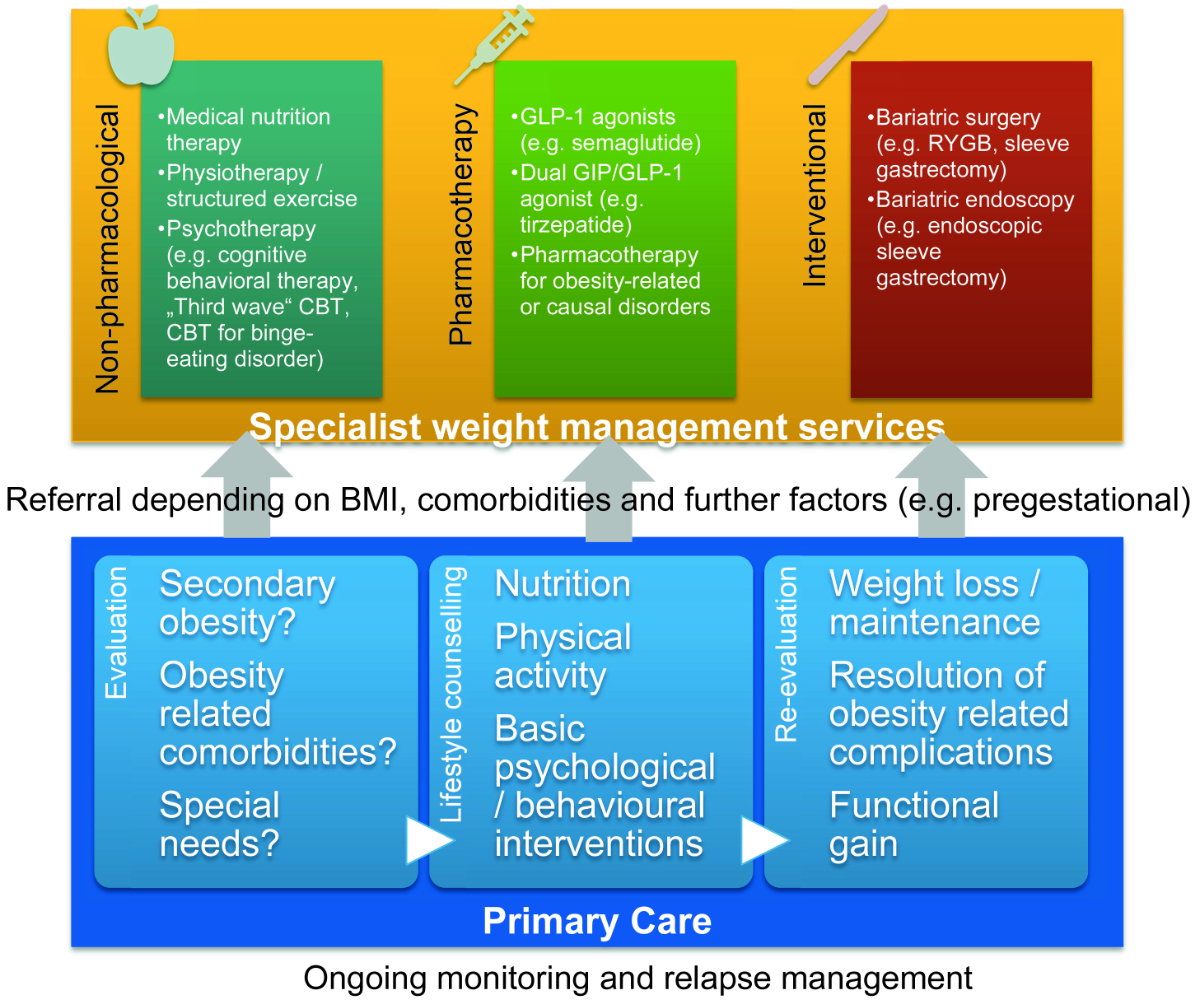
Figure 2Interactions between primary care management and specialised obesity centres, with therapy options applied in each setting. Abbreviations: BMI, body mass index; CBT, cognitive behavioural therapy; GIP, glucose-dependent insulinotropic polypeptide; GLP-1, glucagon-like peptide 1; RYGB, Roux-en-Y gastric bypass.
Individuals managed in primary care should be reviewed at least annually, with a comprehensive reassessment to monitor the course of obesity and the progression or resolution of associated comorbidities.
Effective weight management and control of obesity-related comorbidities require a multimodal, multidisciplinary and interprofessional approach. The interventions outlined below are commonly combined, either sequentially or concurrently. While lifestyle optimisation remains the initial and foundational intervention, adjunctive pharmacotherapy or bariatric surgery can substantially enhance outcomes. Implementing these adjunctive interventions requires navigating reimbursement frameworks and access to specialised obesity care services.
Lifestyle modification, combining a nutritionally complete, balanced diet tailored to individual needs and weight goals with increased physical activity, forms the foundation of all weight management (figure 3). Nutritional counselling should be provided by professionals trained in medical nutrition therapy, using evidence-based approaches. Dietary strategies aim to reduce total energy intake while remaining nutritionally adequate, culturally acceptable and sustainable, with plans tailored to individual preferences, comorbidities and socioeconomic circumstances [23]. Under close medical supervision, select patients may be prescribed a low‑calorie or very‑low‑calorie diet, often incorporating meal replacements, to induce significant initial weight loss while ensuring nutritional adequacy [24]. Diet quality should be improved by shifting towards predominantly plant‑based, minimally processed, nutrient‑dense foods while reducing energy‑dense, nutrient‑poor dietary components. Recommended diet patterns include Mediterranean, Dietary Approaches to Stop Hypertension (DASH) or culturally comparable diets that emphasise vegetables, fruits, whole grains, legumes, nuts, seeds and healthy fats (e.g. olive or rapeseed oil), alongside lean and minimally processed protein sources (e.g. fish, poultry, eggs, dairy and legumes). Ultra‑processed foods, particularly sugar‑sweetened beverages, sweets, refined grains, processed meats and fast foods, should be markedly reduced and replaced by water or unsweetened drinks, whole grains and unprocessed proteins. Emphasis should be placed on adequate fibre and protein intake to support satiety, glycaemic control and preservation of lean mass during weight loss. To maximise sustained adherence, meal planning and specific food alternatives must be adapted to cultural background, personal preferences and socioeconomic circumstances.
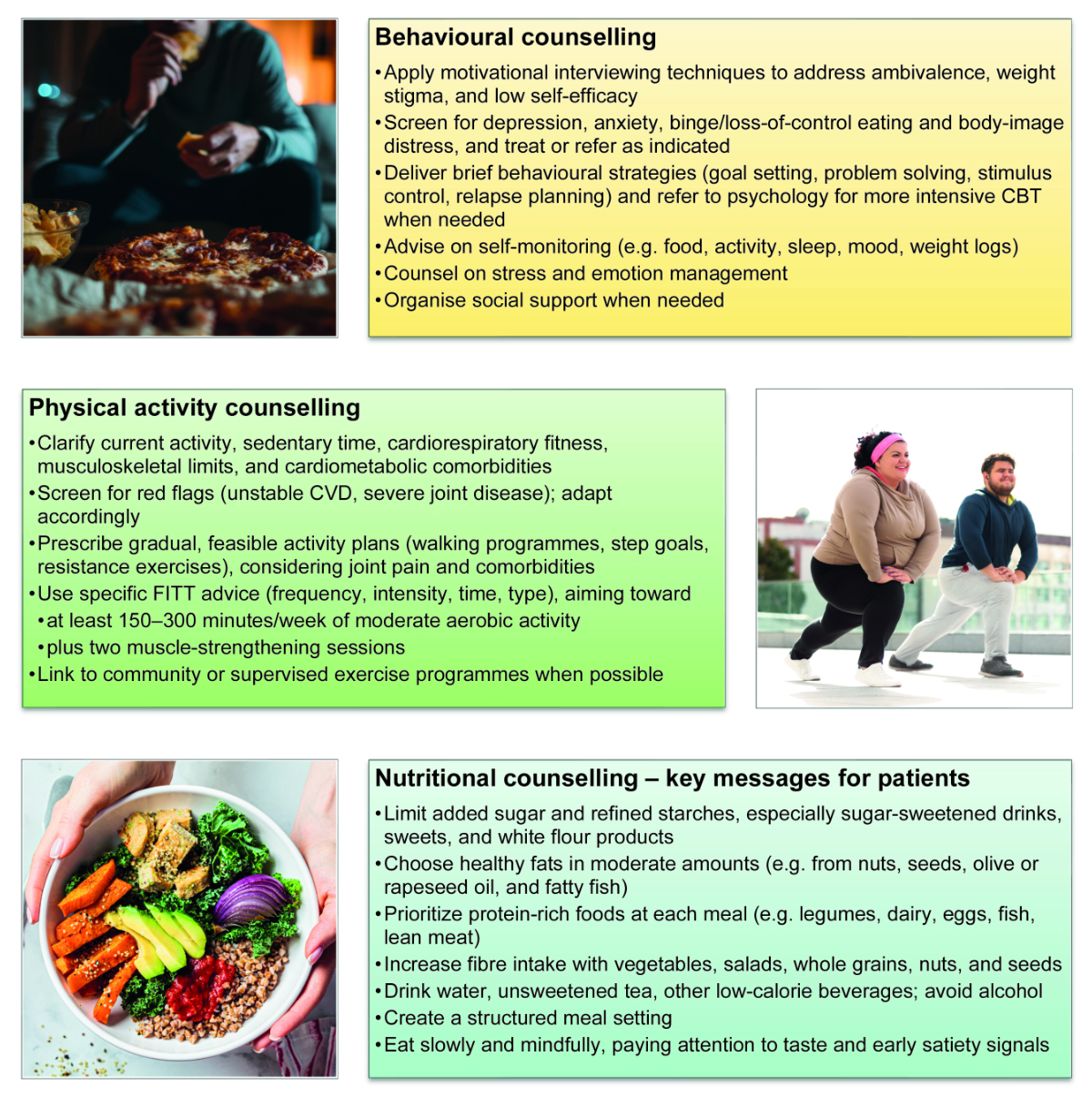
Figure 3Summary of the core components and key messages of lifestyle counselling for individuals with overweight or obesity. Photo credits, from top to bottom: © LimeSky / New Africa / vaaseenaa, all from Adobe Stock (stock.adobe.com).
In addition to nutritional interventions, physical activity constitutes a cornerstone of comprehensive weight management. Recommendations about the type, intensity, duration and frequency of exercise should be individualised to the patient’s capabilities and limitations [5]. Such tailoring is crucial, as individuals living with obesity often experience functional deficits, diminished cardiorespiratory fitness and musculoskeletal pain. These conditions necessitate careful adaptation of the exercise prescription to ensure both safety and adherence.
The generally recommended amount of physical activity for adults living with obesity is at least 150 minutes per week of moderate-intensity aerobic activity, ideally spread over at least 3 days. For enhanced weight loss and long-term weight maintenance, a higher target of 200–300 minutes per week of moderate-intensity aerobic activity may be necessary, particularly after initial weight reduction. Resistance training should be incorporated at least two to three times weekly to maintain or augment muscle mass, especially in older adults or individuals at risk of sarcopenia [14].
Circadian alignment and behavioural strategies represent further fundamental components of lifestyle optimisation. Therefore, a sleep duration of 7–9 hours per night is recommended, and, whenever possible, caloric consumption should be concentrated during daylight hours. Integrating stress‑reduction techniques is important to weaken the link between stress and emotional eating. Eating should ideally take place in a distraction‑free environment, avoiding screens to enhance interoceptive and physiological awareness. Such an environment supports mindful, slower eating, extending meal duration beyond 20 minutes, to allow sufficient time for gut–brain satiety signalling. To promote long‑term adherence to optimised lifestyle habits, behavioural strategies such as regular self‑monitoring of food intake, physical activity and body weight are recommended, as they help individuals identify triggers, adjust habits and maintain accountability over time.
Cognitive behavioural therapy systematically addresses dysfunctional behaviours related to eating, physical activity and body image [25]. Its central elements are recognising triggers for unhealthy eating, developing coping strategies for emotional eating and establishing healthier routines. It also assists patients in managing negative feelings and self-criticism, enhances their self-efficacy and focuses on specific strategies to prevent relapses. Psychiatric consultation becomes essential when obesity co-occurs with mental health conditions such as major depressive disorder, anxiety disorder, substance use disorder, binge eating disorder or attention-deficit/hyperactivity disorder. In these complex cases, psychiatric medications may serve as crucial components of comprehensive, multimodal obesity treatment plans.
The history of obesity pharmacotherapy has been challenging, and for some agents, their risk, particularly cardiovascular and psychiatric risk, outweighs their benefits. However, in recent years, the therapeutic landscape has been fundamentally transformed by the development of agents based on gastrointestinal hormones. The advent of glucagon-like peptide-1 (GLP-1) receptor agonists, and more recently dual glucose-dependent insulinotropic polypeptide (GIP)/GLP-1 receptor agonists, has introduced a new era of highly effective treatments that leverage physiological pathways regulating appetite and energy homeostasis.
In Switzerland, approved pharmacological options for chronic weight management include orlistat (Xenical®) and the incretin-based therapies liraglutide 3.0 mg (Saxenda®, to be phased out), semaglutide 2.4 mg (Wegovy®) and tirzepatide (Mounjaro®). Orlistat acts locally in the gastrointestinal tract as a lipase inhibitor, reducing the absorption of dietary fat and leading to a modest average weight loss of 3%–5% [26]. However, its use has become infrequent due to this limited efficacy and a high incidence of bothersome gastrointestinal side effects, particularly when compared to newer incretin-based therapies [27]. Liraglutide and semaglutide are GLP-1 receptor agonists, while tirzepatide is a dual GIP/GLP-1 receptor agonist. By enhancing satiety, slowing gastric emptying and modulating central appetite pathways, these agents achieve substantially greater average weight loss: approximately 5%–10% with liraglutide [28], 15%–20% with semaglutide [29], and more than 20% with tirzepatide [30]. Regulatory-cleared indications for these agents include a BMI ≥30 kg/m², or a BMI ≥27 kg/m² (orlistat: ≥28 kg/m²) in the presence of at least one weight-related comorbidity, with further product-specific specifications pertaining to youth and cardiovascular prevention, where applicable.
It is important to note that reimbursement criteria under mandatory health insurance are more restrictive than the indications approved by Swissmedic (Swiss Agency for Therapeutic Products). Insurance coverage requires a BMI ≥35 kg/m², or a BMI ≥28 kg/m² with specific comorbidities such as (pre)diabetes, dyslipidaemia or hypertension. Additional conditions include prescription by an appropriately qualified specialist (e.g. Swiss Medical Association FMH in endocrinology and diabetology with documented obesity expertise and a sufficient case load) or initiation at a medical obesity centre that meets specific criteria. Furthermore, continued reimbursement is conditional on achieving predefined weight‑loss targets in the early phase of treatment, and the maximum reimbursed treatment duration is 3 years. These targets are currently a body weight reduction of ≥5% after 16 weeks (≥7% if the baseline BMI is >35.0 kg/m²) and ≥10% after 10 months (≥12% if the baseline BMI is >35.0 kg/m²) of therapy [31]. While linking reimbursement to initial treatment success is a reasonable approach to avoid financing ineffective therapies, the 3-year time limit poses substantial demands on sustaining treatment effects, as abrupt discontinuation of therapy increases the risk of subsequent weight regain.
Beyond their profound effect on weight, there is robust, growing evidence that GLP-1 mono-/multi-receptor agonists positively impact many obesity-related comorbidities, including improvements in glycaemic control, blood pressure, dyslipidaemia, MASLD, obstructive sleep apnoea, kidney dysfunction and knee osteoarthritis [32]. Of particular importance are the cardiovascular benefits. Landmark trials, such as the SELECT trial with semaglutide, have demonstrated a significant reduction in major adverse cardiovascular events in patients with established atherosclerotic cardiovascular disease and overweight or obesity, irrespective of diabetes mellitus status [33]. This evidence has led to expanded approval for semaglutide use in secondary cardiovascular disease prevention. However, this specific indication is not yet reimbursed by mandatory health insurance in Switzerland.
Referral to a specialist to initiate pharmacotherapy is indicated when a patient meets the reimbursement criteria and has demonstrated an insufficient response to sustained lifestyle modification. Before starting treatment, a comprehensive discussion with the patient is essential, covering realistic weight-loss expectations, the potential adverse effects, the risk of weight regain with abrupt discontinuation and the continued importance of lifestyle modifications. Throughout the treatment course, regular follow-up is essential to monitor efficacy and safety, including proactive management of common gastrointestinal adverse effects [34], assessment of adherence, continued reinforcement of dietary and physical activity goals [35], and consideration of potential de-escalation of concomitant medications (e.g. antihypertensives).
Stepwise titration according to the product label, including prolonged use of each dose step or maintaining a submaximal maintenance dose when needed, is a proactive strategy to prevent and mitigate tolerability issues, particularly regarding the most common gastrointestinal adverse effects, such as nausea/vomiting, diarrhoea or constipation. Biliopancreatic complications (e.g. cholelithiasis) are uncommon but can occur, particularly in individuals at higher risk, and are more likely a consequence of rapid weight reduction than a direct drug‑specific target‑organ effect. A class effect of incretin therapies is a small increase in resting heart rate (roughly 2–4 beats per minute), which warrants awareness and monitoring in individuals with significant cardiovascular disease or arrhythmias. However, available cardiovascular outcome trials have not shown an associated increase in cardiovascular events; in fact, they demonstrate net cardiovascular benefit despite this modest chronotropic effect. Other potential safety signals have been reported in observational studies, including ocular events (e.g. diabetic retinopathy and non-arteritic anterior ischemic optic neuropathy), psychiatric conditions and pancreatitis. However, a causal relationship with incretin therapy exposure remains uncertain. Caution is advised when initiating GLP‑1–based therapies in patients with a (family) history of medullary thyroid carcinoma; however, human thyroid C‑cells do not appear to express GLP‑1 receptors (unlike those in rodents), and no association between GLP‑1 receptor agonist use and an increased risk of medullary thyroid carcinoma has been demonstrated to date [36].
Bariatric surgery is a further component of obesity care and a highly effective intervention for achieving substantial and durable weight loss and improving obesity‑related comorbidities in appropriately selected patients. In Switzerland, the most commonly performed bariatric surgery procedures are the Roux-en-Y gastric bypass (RYGB) and the sleeve gastrectomy (SG). Other procedures, such as biliopancreatic diversion (BPD) and laparoscopic adjustable gastric band (LAGB), are now rarely performed (<5%). Indications for bariatric surgery are defined by national guidelines, which also determine insurance coverage decisions. In adults, bariatric surgery can be considered in patients with a BMI of 35 kg/m² or higher when an adequate non-invasive treatment over a prolonged period (at least 2 years, or 1 year in patients with a BMI above 50 kg/m²) has failed to achieve sufficient and durable weight loss or comorbidity control. In addition, metabolic surgery can be considered for individuals with inadequately controlled type 2 diabetes mellitus and a BMI of 30–35 kg/m² after a comprehensive multidisciplinary evaluation, including judgement of the treating diabetologist. For adolescents, stricter criteria apply: a BMI ≥35 kg/m² with at least one serious comorbidity, failure of intensive conservative therapy, sufficient somatic and psychological maturity and a stable family/support context, with surgery confined to specialised paediatric reference centres. Across all groups, indications must be established in an interdisciplinary team within a certified centre, with the patient’s informed consent and a clear commitment to lifelong follow‑up. The choice of surgical procedure is not based on a single evidence-based algorithm but a shared decision between the surgeon and a well-informed patient, guided by a multidisciplinary team evaluation. Key factors include BMI, age, comorbidities, such as type 2 diabetes mellitus and gastroesophageal reflux disease (GERD), potential pregnancy plans, occupational activities, eating disorders, previous surgeries and patient preferences.
According to the Swiss Society for the Study of Morbid Obesity and Metabolic Disorders (SMOB), procedures are categorised as basic, complex or under evaluation [37]. Basic procedures (RYGB, SG and LAGB) can be performed at primary centres for patients with a BMI up to 50 kg/m². Complex procedures (e.g. BPD) and all revisional surgeries are restricted to reference centres, which have higher case volume requirements. Procedures under evaluation, such as the one-anastomosis gastric bypass (OAGB), also known as ‘omega gastric bypass’, are only permitted within the scope of ethically approved clinical trials at reference centres. Bariatric surgery in adolescents is restricted to specialised paediatric reference centres to ensure appropriate interdisciplinary care.
Bariatric surgery at certified centres has a low rate of severe short-term complications (1%–3%) and mortality (0.05%–0.20%) [38]. During long-term follow-up, 5%–15% of patients may require reoperation for issues such as internal hernias or anastomotic ulcers/stenoses. Lifelong follow-up is crucial to manage potential complications. Impaired micronutrient and mineral absorption mandate lifelong supplementation and regular monitoring [39]. Postprandial hypoglycaemia can occur, especially after RYGB, and requires specialised management. Psychosocial complications also require attention [40]. An increased risk of alcohol abuse (addiction transfer) and, for unclear reasons, suicide and self-harm has been observed. Although the absolute risks are low, these findings emphasise the necessity of thorough preoperative psychiatric evaluation and continuous postoperative psychological support [41].
Endoscopic sleeve gastroplasty (ESG) has emerged as a minimally invasive treatment option. The International Federation for the Surgery of Obesity and Metabolic Disorders (IFSO) Bariatric Endoscopy Committee endorses ESG as an effective intervention for WHO class I–II obesity and for WHO class III obesity in patients who are ineligible for, or decline, metabolic/bariatric surgery, noting clinically meaningful weight loss efficacy with a low rate of serious adverse events [42]. In Switzerland, endoscopic procedures for weight loss (e.g. ESG) are regulated within the same overarching framework as bariatric surgery and are currently classified as procedures under evaluation rather than established standard care.
Certain life stages and clinical situations require adapted care for overweight and obesity to ensure safety, effectiveness and person‑centred decision‑making.
In children who exhibit a steep increase in BMI in the first years of life (i.e. 2–4 years), monogenic or syndromic forms of obesity should be considered [43]. Targeted treatment options, such as leptin replacement in congenital leptin deficiency [44] or the recently approved setmelanotide for POMC (pro-opiomelanocortin), PCSK1 (proprotein convertase 1) or LEPR (leptin receptor) deficiency or Bardet–Biedl syndrome [45, 46], are available for confirmed cases. Patients should be assessed and managed by specialised paediatricians (e.g. paediatric endocrinologists), often in collaboration with geneticists. When weight management is indicated in children, the focus is generally on stabilising weight rather than active weight loss, given ongoing growth and development. For adolescents (≥12 years) with obesity (BMI at or above the age‑ and sex‑specific International Obesity Task Force (IOTF) cutoffs corresponding to an adult BMI ≥35 kg/m²) and body weight ≥60 kg, Wegovy® is reimbursed by health insurance. Treatment response must be reviewed at least every 3 months, and therapy should be discontinued if, after 28 weeks, BMI or BMI z-score has not improved by at least 5%.
Managing obesity in older adults demands a cautious, individualised approach. Intentional weight loss can aggravate age‑related loss of muscle mass (sarcopenia) [47] and reduce bone mineral density, thereby worsening osteoporosis and increasing fracture risk. Therefore, therapeutic priorities should shift from achieving a specific BMI to preserving muscle mass and bone health, maintaining functional capacity and independence and enhancing overall health‑related quality of life. Management should also minimise the risk of malnutrition and micronutrient deficiencies associated with energy restriction, and include close monitoring of polypharmacy and multimorbidity, such as to prevent dehydration and hypotension.
Obesity care in women should address life stage-specific female physiology, including contraceptive and fertility counselling, management of menstrual cycle irregularities and polycystic ovary syndrome, pregnancy care (pre-gestational, gestational, post-partum and assisted reproduction) and perimenopause [48]. Although current human data have not demonstrated a clear signal for fetotoxicity, preconception‑care guidance and product information advise that semaglutide and tirzepatide should not be used during pregnancy and should be discontinued approximately 2 months before attempting conception, pending more definitive registry data. For bariatric surgery, most guidelines recommend avoiding conception during the rapid weight‑loss phase and delaying pregnancy until weight and nutritional status have stabilised, typically at least 12–18 months post‑operatively, with some evidence and expert groups supporting an interval of up to 24 months in select women.
Effective weight loss should be prioritised in clinical situations where excess weight poses an imminent risk of serious complications or limits access to essential treatments. Examples include pre‑transplant optimisation before organ transplantation [49, 50], management of intracranial hypertension with threatened vision loss [51, 52] and progressive respiratory insufficiency [53].
Obesity is a prevalent chronic disease that manifests across the life course with substantial biological, clinical and social diversity. Advancing obesity care requires a deeper understanding of the marked heterogeneity in treatment response, aiming to achieve durable weight management while reducing both disease burden and economic costs. To address this, a national cohort and registry are now being established to generate the necessary long-term real-world evidence. This step is particularly important given the many novel pharmacological agents expected in the near future.
To transform therapeutic advances into meaningful benefits for both patients and society, future obesity care will need to adopt a comprehensive, tiered model that effectively links primary care, specialised obesity services, allied health professionals and key societal stakeholders, enabling coordinated, person‑centred and sustainable management across all stages of life.
The authors did not receive any financial support for the preparation of this manuscript.
PAG reports receiving speaker and consulting honoraria from Alivion, Boehringer Ingelheim, Eli Lilly, Novo Nordisk, Oviva, Rhythm Pharmaceuticals and Roche, and is participating as a local PI in multicenter studies sponsored by Amgen and Novo Nordisk. THC reports receiving consulting honoraria from Eli Lilly, Novo Nordisk and Rhythm Pharmaceuticals. LF reports receiving speaker honoraria and travel support from Eli Lilly, Novo Nordisk and Pierre Fabre (honoraria were allocated to the institution). MB reports receiving speaker and consulting honoraria from Johnson & Johnson. IRA reports receiving consulting honoraria from Rhythm Pharmaceuticals. DD reports receiving sponsorship for symposia organisation and travel support from AstraZeneca, Eli Lilly, Novo Nordisk and Vifor. ES reports receiving speaker and consulting honoraria from Novo Nordisk and is conducting a clinical study sponsored by Novo Nordisk. BS reports receiving speaker and consulting honoraria/research grants from Abbott, Amgen, AstraZeneca, Boehringer Ingelheim, Dexcom, Eli Lilly, Johnson & Johnson, Novo Nordisk and Roche. DK reports receiving consulting honoraria and travel support from Novo Nordisk, Rhythm Pharmaceuticals and Sanofi. LB reports receiving speaker and consulting honoraria/research grants from Dexcom, Eli Lilly, Insulet, mylife Diabetescare, Novo Nordisk, Oviva, Roche Diabetes Care, Sanofi, Tandem and Ypsomed (honoraria were allocated to the institution). PP reports no potential conflicts of interest regarding this work.
1. Rubino F, Cummings DE, Eckel RH, Cohen RV, Wilding JPH, Brown WA, et al. Definition and diagnostic criteria of clinical obesity. Lancet Diabetes Endocrinol. 2025;13(3):221–62. Epub 20250114. doi: . PubMed PMID: 39824205; PubMed Central PMCID: PMC11870235.
2. Collaboration NCDRF. Worldwide trends in body-mass index, underweight, overweight, and obesity from 1975 to 2016: a pooled analysis of 2416 population-based measurement studies in 128.9 million children, adolescents, and adults. Lancet. 2017;390(10113):2627–42. Epub 20171010. doi: . PubMed PMID: 29029897; PubMed Central PMCID: PMC5735219.
3. Collaboration NCDRF. Worldwide trends in underweight and obesity from 1990 to 2022: a pooled analysis of 3663 population-representative studies with 222 million children, adolescents, and adults. Lancet. 2024;403(10431):1027–50. Epub 20240229. doi: . PubMed PMID: 38432237; PubMed Central PMCID: PMC7615769.
4. Swiss Health Survey 2022. Federal Statistical Office, 2023.
5. Wharton S, Lau DC, Vallis M, Sharma AM, Biertho L, Campbell-Scherer D, et al. Obesity in adults: a clinical practice guideline. CMAJ. 2020 Aug;192(31):E875–91.
6. Puhl RM, Heuer CA. Obesity stigma: important considerations for public health. Am J Public Health. 2010;100(6):1019–28. Epub 20100114. doi: . PubMed PMID: 20075322; PubMed Central PMCID: PMC2866597.
7. Carels RA, Wott CB, Young KM, Gumble A, Koball A, Oehlhof MW. Implicit, explicit, and internalized weight bias and psychosocial maladjustment among treatment-seeking adults. Eat Behav. 2010;11(3):180–5. Epub 20100321. doi: . PubMed PMID: 20434066.
8. Durso LE, Latner JD. Understanding self-directed stigma: development of the weight bias internalization scale. Obesity (Silver Spring). 2008 Nov;16(S2 Suppl 2):S80–6.
9. Pearl RL, Puhl RM. Weight bias internalization and health: a systematic review. Obes Rev. 2018;19(8):1141–63. Epub 20180522. doi: . PubMed PMID: 29788533; PubMed Central PMCID: PMC6103811.
10. Rubino F, Puhl RM, Cummings DE, Eckel RH, Ryan DH, Mechanick JI, et al. Joint international consensus statement for ending stigma of obesity. Nat Med. 2020;26(4):485–97. Epub 20200304. doi: . PubMed PMID: 32127716; PubMed Central PMCID: PMC7154011.
11. Mulvihill C, Parretti HM, Aswani N, Guideline C. Overweight and obesity management: summary of updated NICE guidance. BMJ. 2025;391:r2286. Epub 20251201. doi: . PubMed PMID: 41326143.
12. Gibson S, Ashwell M. A simple cut-off for waist-to-height ratio (0.5) can act as an indicator for cardiometabolic risk: recent data from adults in the Health Survey for England. Br J Nutr. 2020;123(6):681–90. Epub 20191216. doi: . PubMed PMID: 31840619.
13. Prado CM, Gonzalez MC, Norman K, Barazzoni R, Cederholm T, Compher C, et al. Methodological standards for body composition-an expert-endorsed guide for research and clinical applications: levels, models, and terminology. Am J Clin Nutr. 2025;122(2):384–91. Epub 20250717. doi: . PubMed PMID: 40754386; PubMed Central PMCID: PMC12405783.
14. Nadolsky K, Garvey WT, Agarwal M, Bonnecaze A, Burguera B, Chaplin MD, et al. American Association of Clinical Endocrinology Consensus Statement: Algorithm for the Evaluation and Treatment of Adults with Obesity/Adiposity-Based Chronic Disease. Update. Endocr Pract. 2025;31(11):1351–94. Epub. 2025;20250916:
15. Marti-Soler H, Hirotsu C, Marques-Vidal P, Vollenweider P, Waeber G, Preisig M, et al. The NoSAS score for screening of sleep-disordered breathing: a derivation and validation study. Lancet Respir Med. 2016;4(9):742–8. Epub 20160616. doi: . PubMed PMID: 27321086.
16. Chung F, Abdullah HR, Liao P. STOP-Bang Questionnaire: A Practical Approach to Screen for Obstructive Sleep Apnea. Chest. 2016;149(3):631–8. Epub 20160112. doi: . PubMed PMID: 26378880.
17. Tacke F, Horn P, Wong VW, Ratziu V, Bugianesi E, Francque S, et al.; European Association for the Study of the Liver; European Association for the Study of Diabetes; European Association for the Study of Obesity. EASL-EASD-EASO Clinical Practice Guidelines on the management of metabolic dysfunction-associated steatotic liver disease (MASLD): executive Summary. Diabetologia. 2024 Nov;67(11):2375–92.
18. Ferrari S, Lippuner K, Lamy O, Meier C. recommendations for osteoporosis treatment according to fracture risk from the Swiss Association against Osteoporosis (SVGO). Swiss Med Wkly. 2020;150:w20352. Epub. 2020;20200929:
19. Van Wilder L, Rammant E, Clays E, Devleesschauwer B, Pauwels N, De Smedt D. A comprehensive catalogue of EQ-5D scores in chronic disease: results of a systematic review. Qual Life Res. 2019;28(12):3153–61. Epub 20190917. doi: . PubMed PMID: 31531840.
20. Beriault K, Carpentier AC, Gagnon C, Menard J, Baillargeon JP, Ardilouze JL, et al. Reproducibility of the 6-minute walk test in obese adults. Int J Sports Med. 2009;30(10):725–7. Epub 20090707. doi: . PubMed PMID: 19585400.
21. Pouget M, Pinel A, Miolanne M, Gentes E, Picard M, Martinez R, et al. Improving the functional detection of sarcopenic obesity: prevalence and handgrip scoring in the OBESAR cohort. Obesity (Silver Spring). 2024;32(12):2237–45. Epub 20241028. doi: . PubMed PMID: 39467062.
22. Nienhuijs SW, Bruinsma F, Schouten R, Hoogbergen MM, Cnossen NG, Gernette C, et al. Dutch Nationwide Cohort Experience with a New PROMs Set in Metabolic and Bariatric Surgery: BODY-Q Obesity Module. Obes Surg. 2025;35(1):67–77. Epub 20241226. doi: . PubMed PMID: 39724423.
23. Hassapidou M, Vlassopoulos A, Kalliostra M, Govers E, Mulrooney H, Ells L, et al. European Association for the Study of Obesity Position Statement on Medical Nutrition Therapy for the Management of Overweight and Obesity in Adults Developed in Collaboration with the European Federation of the Associations of Dietitians. Obes Facts. 2023;16(1):11–28. Epub 20221215. doi: . PubMed PMID: 36521448; PubMed Central PMCID: PMC9889729.
24. Edwards-Hampton SA, Ard J. The latest evidence and clinical guidelines for use of meal replacements in very-low-calorie diets or low-calorie diets for the treatment of obesity. Diabetes Obes Metab. 2024;26 Suppl 4:28–38. Epub 20240807. doi: . PubMed PMID: 39109480.
25. Cooper Z, Fairburn CG. A new cognitive behavioural approach to the treatment of obesity. Behav Res Ther. 2001 May;39(5):499–511. doi: https://doi.org/10.1016/S0005-7967(00)00065-6
26. Khera R, Murad MH, Chandar AK, Dulai PS, Wang Z, Prokop LJ, et al. Association of Pharmacological Treatments for Obesity With Weight Loss and Adverse Events: A Systematic Review and Meta-analysis. JAMA. 2016 Jun;315(22):2424–34.
27. Filippatos TD, Derdemezis CS, Gazi IF, Nakou ES, Mikhailidis DP, Elisaf MS. Orlistat-associated adverse effects and drug interactions: a critical review. Drug Saf. 2008;31(1):53–65.
28. Pi-Sunyer X, Astrup A, Fujioka K, Greenway F, Halpern A, Krempf M, et al.; SCALE Obesity and Prediabetes NN8022-1839 Study Group. A Randomized, Controlled Trial of 3.0 mg of Liraglutide in Weight Management. N Engl J Med. 2015 Jul;373(1):11–22.
29. Wilding JPH, Batterham RL, Calanna S, Davies M, Van Gaal LF, Lingvay I, et al. Once-Weekly Semaglutide in Adults with Overweight or Obesity. N Engl J Med. 2021;384(11):989–1002. Epub 20210210. doi: . PubMed PMID: 33567185.
30. Jastreboff AM, Aronne LJ, Ahmad NN, Wharton S, Connery L, Alves B, et al. Tirzepatide Once Weekly for the Treatment of Obesity. N Engl J Med. 2022;387(3):205–16. Epub 20220604. doi: . PubMed PMID: 35658024.
31. Federal Office of Public Health. 2026 [cited 2026 January 9th]. Available from: www.spezialitätenliste.ch.
32. Moiz A, Filion KB, Tsoukas MA, Yu OHY, Peters TM, Eisenberg MJ. The expanding role of GLP-1 receptor agonists: a narrative review of current evidence and future directions. EClinicalMedicine. 2025;86:103363. Epub 20250717. doi: . PubMed PMID: 40727007; PubMed Central PMCID: PMC12303005.
33. Lincoff AM, Brown-Frandsen K, Colhoun HM, Deanfield J, Emerson SS, Esbjerg S, et al. Semaglutide and Cardiovascular Outcomes in Obesity without Diabetes. N Engl J Med. 2023;389(24):2221–32. Epub 20231111. doi: . PubMed PMID: 37952131.
34. Drucker DJ. Efficacy and Safety of GLP-1 Medicines for Type 2 Diabetes and Obesity. Diabetes Care. 2024 Nov;47(11):1873–88.
35. Mozaffarian D, Agarwal M, Aggarwal M, Alexander L, Apovian CM, Bindlish S, et al. Nutritional priorities to support GLP-1 therapy for obesity: a joint Advisory from the American College of Lifestyle Medicine, the American Society for Nutrition, the Obesity Medicine Association, and The Obesity Society. Am J Clin Nutr. 2025;122(1):344–67. Epub 20250530. doi: . PubMed PMID: 40450457; PubMed Central PMCID: PMC12612741.
36. Baxter SM, Lund LC, Andersen JH, Brix TH, Hegedus L, Hsieh MH, et al. Glucagon-Like Peptide 1 Receptor Agonists and Risk of Thyroid Cancer: An International Multisite Cohort Study. Thyroid. 2025;35(1):69–78. Epub 20250108. doi: . PubMed PMID: 39772758.
37. Swiss Multidisciplinary Obesity Society. 2023 [cited 2026 January 9th]. Available from: https://www.smob.ch/verfahren/
38. Arterburn DE, Telem DA, Kushner RF, Courcoulas AP. Benefits and Risks of Bariatric Surgery in Adults: A Review. JAMA. 2020 Sep;324(9):879–87.
39. Mingrone G, Bornstein S, Le Roux CW. Optimisation of follow-up after metabolic surgery. Lancet Diabetes Endocrinol. 2018;6(6):487–99. Epub 20180129. doi: . PubMed PMID: 29396249.
40. Tack J, Raymenants K, Van de Bruaene C, Scarpellini E. Dumping syndrome: Update on pathophysiology, diagnosis, and management. Neurogastroenterol Motil. 2025;37(2):e14962. Epub 20241111. doi: . PubMed PMID: 39529492.
41. Van den Eynde A, Mertens A, Vangoitsenhoven R, Meulemans A, Matthys C, Deleus E, et al. Psychosocial Consequences of Bariatric Surgery: Two Sides of a Coin: a Scoping Review. Obes Surg. 2021;31(12):5409–17. Epub 20211006. doi: . PubMed PMID: 34611828.
42. Dayyeh BKA, Stier C, Alqahtani A, Sharaiha R, Bandhari M, Perretta S, et al. IFSO Bariatric Endoscopy Committee Evidence-Based Review and Position Statement on Endoscopic Sleeve Gastroplasty for Obesity Management. Obes Surg. 2024;34(12):4318–48. Epub 20241101. doi: . PubMed PMID: 39482444; PubMed Central PMCID: PMC11671576.
43. Zorn S, de Groot CJ, Brandt-Heunemann S, von Schnurbein J, Abawi O, Bounds R, et al. Early childhood height, weight, and BMI development in children with monogenic obesity: a European multicentre, retrospective, observational study. Lancet Child Adolesc Health. 2025 May;9(5):297–305.
44. Farooqi IS, Jebb SA, Langmack G, Lawrence E, Cheetham CH, Prentice AM, et al. Effects of recombinant leptin therapy in a child with congenital leptin deficiency. N Engl J Med. 1999 Sep;341(12):879–84.
45. Cuda S, Censani M. Progress in pediatric obesity: new and advanced therapies. Curr Opin Pediatr. 2022;34(4):407–13. Epub 20220705. doi: . PubMed PMID: 35797460.
46. Kühnen P, Clément K. Long-Term MC4R Agonist Treatment in POMC-Deficient Patients. N Engl J Med. 2022 Sep;387(9):852–4.
47. Prado CM, Batsis JA, Donini LM, Gonzalez MC, Siervo M. Sarcopenic obesity in older adults: a clinical overview. Nat Rev Endocrinol. 2024;20(5):261–77. Epub 20240206. doi: . PubMed PMID: 38321142.
48. Ayesh H, Nasser SA, Ferdinand KC, Carranza Leon BG. Sex-Specific Factors Influencing Obesity in Women: Bridging the Gap Between Science and Clinical Practice. Circ Res. 2025;136(6):594–605. Epub 20250313. doi: . PubMed PMID: 40080532.
49. Diwan TS, Lee TC, Nagai S, Benedetti E, Posselt A, Bumgardner G, et al. Obesity, transplantation, and bariatric surgery: An evolving solution for a growing epidemic. Am J Transplant. 2020;20(8):2143–55. Epub 20200218. doi: . PubMed PMID: 31965711.
50. Gonzalez HC, Myers DT, Venkat D. Successful Implementation of a Multidisciplinary Weight Loss Program Including GLP1 Receptor Agonists for Liver Transplant Candidates With High Body Mass Index. Transplantation. 2024;108(11):2233–7. Epub 20240517. doi: . PubMed PMID: 39466197.
51. Abbott S, Chan F, Tahrani AA, Wong SH, Campbell FEJ, Parmar C, et al. Weight Management Interventions for Adults With Idiopathic Intracranial Hypertension: A Systematic Review and Practice Recommendations. Neurology. 2023;101(21):e2138–e50. Epub 20231009. doi: . PubMed PMID: 37813577; PubMed Central PMCID: PMC10663033.
52. Sioutas GS, Mualem W, Reavey-Cantwell J, Rivet DJ 2nd. GLP-1 Receptor Agonists in Idiopathic Intracranial Hypertension. JAMA Neurol. 2025 Sep;82(9):887–94.
53. Miyoshi Y, Yumoto T, Kosaki Y, Hongo T, Tsukahara K, Nakao A, et al. Management of Obesity Hypoventilation Syndrome in Extreme Obesity: A Case Study. Am J Case Rep. 2024;25:e945112. Epub 20241002. doi: . PubMed PMID: 39354710; PubMed Central PMCID: PMC11460406.