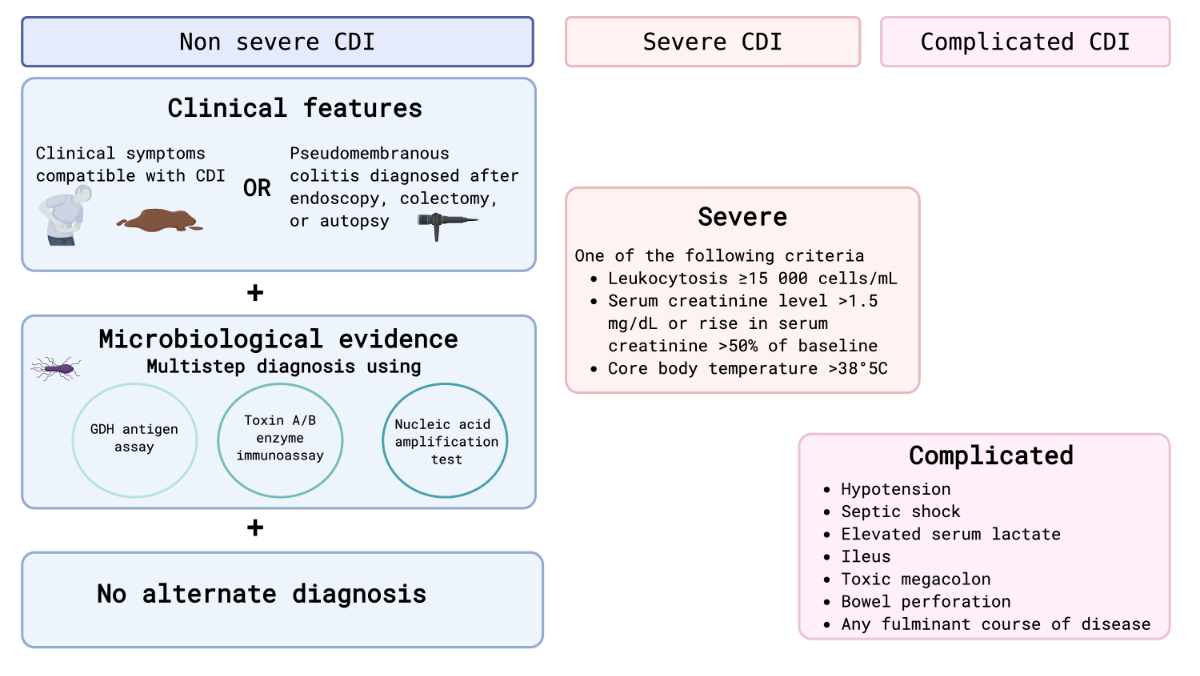
Figure 1Diagnostic approach of Clostridioides difficile infection.
DOI: https://doi.org/https://doi.org/10.57187/5395
Clostridioides difficile infection (CDI) is a major cause of healthcare-associated morbidity and mortality and represents a persistent and evolving challenge for national healthcare systems [1, 2]. The incidence and severity of CDI disproportionately affect older adults, patients with multiple comorbidities and individuals exposed to antibiotics or healthcare environments, with recurrence occurring in up to one third of cases and contributing substantially to patient burden and healthcare costs [3]. Over recent years, important advances have been made in the understanding of CDI epidemiology, pathophysiology, diagnostics and treatment, prompting significant updates to international recommendations [4–7]. These include refined diagnostic algorithms prioritising detection of free toxins, a shift away from metronidazole as routine therapy, expanded use of fidaxomicin and optimised vancomycin regimens, and the increasing role of faecal microbiota transplantation (FMT) therapies for recurrent disease. FMT has become an established, highly effective intervention, raising regulatory and implementation considerations that vary across countries [4, 8]. New live biotherapeutic products have emerged, and will probably challenge FMT in the future. Despite these advances, heterogeneity in clinical practice persists, particularly with respect to severity assessment, prevention of recurrence, management of severe and complicated CDI, and integration of novel therapies within national regulatory frameworks. The objective of the present national guidelines is to provide an updated comprehensive, evidence-based and context-specific framework for the diagnosis, treatment, prevention and follow-up of CDI across all stages of disease. Previous Swiss Society for Infectious Diseases (SSI) guidelines were based on 2018 international literature which is by now largely outdated. By summarising the most recent clinical evidence, international guideline updates, and national organisational and regulatory considerations, this document aims to harmonise clinical practice, support high-quality and equitable patient care, and guide clinicians in making informed, patient-centred decisions in the management of CDI.
A panel of physicians from different medical specialties (infectious diseases, geriatrics, infection control) and different Swiss tertiary care hospitals was constituted. The members of this panel were selected by the Swiss Society for Infectious Diseases committee according to their expertise in the topic. The work was distributed among four working groups (WG): definitions (WG1), risk factors (WG2), treatment (WG3), and prevention and infection control (WG4).
Practical questions to answer were defined for each WG. As a first step, each WG worked independently on literature review, data analyses and elaboration of proposed recommendations. Results of analyses and recommendations were presented during a virtual session attended by all participants. These recommendations were discussed during the session and the draft amended and validated afterwards. In case of substantial disagreement, the issues were referred to each WG for reassessment and elaboration of a revised proposition, which was again submitted for the appreciation of the whole panel. The final recommendations were consensus-based and needed the approval of all the panel. Final recommendations were validated by the Swiss Society for Infectious Diseases guidelines board. The detailed workflow of guideline development and the list of participants of the different WGs are provided in table S1 and S2, respectively, in the appendix. This analysis formed the basis for adapting and contextualising international evidence-based recommendations to the Swiss healthcare setting.
Definitions were adapted from the most recent European and American guidelines [4, 5, 7] and are summarised in figure 1.
An episode of CDI is defined as the association of 3 parameters:
Stool processing:
The recommended diagnostic approach is a multistep algorithm: initial screening with a sensitive glutamate dehydrogenase (GDH) antigen assay, followed by confirmatory testing for toxins A and B using enzyme immunoassay (EIA) or immunochromatographic methods. Nucleic acid amplification tests may be used as part of the algorithm or alone in symptomatic patients, but nucleic acid amplification tests alone may detect colonisation rather than active infection, so combining nucleic acid amplification tests with toxin testing improves specificity for CDI [14]. Toxigenic culture and cell cytotoxin assays are considered gold standards but are rarely used due to labour intensity and slow turnaround time.
In 2021, the European guidelines suggested an alternative approach emphasising the importance of free toxin detection [4]:
Severe forms are defined by one of the following criteria:
Severe-complicated forms are defined by the presence of one of the following attributed to CDI:
Treatment response has been clearly defined by the European society [4]:
Treatment response should be observed daily and evaluated after at least 3 days, assuming that the patient is not worsening on treatment.
Recurrence is defined as CDI recurrence within 8 weeks after complete resolution of the initial episode. After 8 weeks, it is a new first episode.
Refractory CDI is defined as a non-response to treatment after 3–5 days of therapy (persistence of >3 loose stools, i.e. Bristol stool scale 6–7, in 24 hours). A refractory CDI should prompt evaluation for co-infections or differential diagnoses, including non-infectious diarrhoea.
Figure 1Diagnostic approach of Clostridioides difficile infection.
The main factors identified as contributors to the development and severity of CDI are related to microbiota disruption interventions such as exposure to systemic antibiotic use, exposure to spores and alteration of host immunity [17].
The risk arising from systemic antibiotic therapy varies according to its duration: the shorter, the better [18]. Antibiotics have been categorised according to their risk of selecting C. difficile, with the high-risk category including clindamycin, fluoroquinolones, second-generation cephalosporins or later, carbapenems, combinations of beta-lactamases and beta-lactamase inhibitors (e.g. piperacillin-tazobactam). Fluoroquinolone use was associated with a higher risk because of the NAP1/BI/027 strain [18–20]. The risk associated with each antibiotic class is summarised in table 1.
Table 1Antibiotic-specific risk for Clostridioides difficile infection in outpatient and inpatient settings, complemented by pharmaco-epidemiological data (FEARS database) [20, 84–86].
Antibiotic classes and their respective agents are ranked according to their association with C. difficile infection, first in inpatient, then in outpatient settings. Reported Odds Ratios from pharmaco-epidemiological studies (FEARS database) are included as supplementary information for both settings in the appendix. Results might differ from data derived from in vitro susceptibilities, due to potential confounding exposure, including duration of treatment, IV/PO formulation, co-treatment, and regional variation/molecular shifts (NAP027). However, this table might provide pragmatic evidence that may guide antibiotic selection in either outpatient or inpatient setting. The risk is classified as high, moderate or low: (H): high risk [defined as inpatient OR outpatient OR >5], (M): moderate risk [defined as inpatient OR outpatient OR in range 3–5], (L): low risk [defined as inpatient OR outpatient OR <3]; Blank: no inpatient/outpatient data.
| Antibiotic class | Antibiotic name (risk) | Estimates | Source | |
| Penicillins | Non-antistaphylococcal | Amoxicillin (L) | OR: 1.96 [95% CI: 1.88–2.04] | Outpatients [87] |
| ROR: 6.74 [95% CI: 5.92–7.67] | Pharmacovigilance [89] | |||
| Penicillin (L) | OR: 1.8 [95% CI: 1.59–2.03] | Outpatients [87] | ||
| ROR: 2.91 [95% CI: 1.09–7.77] | Pharmacovigilance [89] | |||
| Antistaphylococcal | Flucloxacillin | ROR: 56.08 [95% CI: 22.13–142.10] | Pharmacovigilance [89] | |
| Beta-lactamase inhibitor combinations | Amoxicillin/clavulanate (H) | OR: 8.53 [95% CI: 8.23–8.85] | Outpatients [87] | |
| ROR: 16.84 [95% CI: 15.01–18.89] | Pharmacovigilance [89] | |||
| Piperacillin/tazobactam (H) | OR: 6.99 [95% CI: 1.81–27.02] | Outpatients [87] | ||
| ROR: 17.35 [95% CI: 15.30–19.69] | Pharmacovigilance [89] | |||
| Cephalosporins | 1st generation | Cefazolin (L) | OR: 2.3 [95% CI: 1.9–2.6] | Inpatients [88] |
| ROR: 17.26 [95% CI: 13.30–22.39] | Pharmacovigilance [89] | |||
| 2nd generation | Cefuroxime (H) | OR: 9.59 [95% CI: 8.79–10.45] | Outpatients [87] | |
| OR: 6.4 [95% CI: 5.1–7.9] | Inpatients [88] | |||
| ROR: 15.03 [95% CI: 13.02–17.37] | Pharmacovigilance [89] | |||
| 3rd generation | Cefpodoxime (H) | OR: 9.17 [95% CI: 6.99–12.04] | Outpatients [87] | |
| ROR: 37.3 [95% CI: 25.54–54.49] | Pharmacovigilance [89] | |||
| Ceftriaxone (H) | OR: 6.93 [95% CI: 5.16–9.29] | Outpatients [87] | ||
| OR: 4.0 [95% CI: 3.5–4.6] | Inpatients [88] | |||
| ROR: 10.07 [95% CI: 8.80–11.53] | Pharmacovigilance [89] | |||
| Ceftazidime | ROR: 21.31 [95% CI: 14.86–30.56] | Pharmacovigilance [89] | ||
| 3rd generation + beta-lactamase inhibitor | Ceftazidime/Avibactam | ROR: 8.24 [95% CI: 4.26–15.93] | Pharmacovigilance [89] | |
| Ceftolozane/Tazobactam | ROR: 5.89 [95% CI: 3.05–11.38] | Pharmacovigilance [89] | ||
| 4th generation | Cefepime (M) | OR: 4.45 [95% CI: 1.18–16.80] | Outpatients [87] | |
| OR: 2.8 [95% CI: 2.1–3.6] | Inpatients [88] | |||
| ROR: 12.51 [95% CI: 9.30–16.83] | Pharmacovigilance [89] | |||
| 5th generation | Ceftaroline | ROR: 5.29 [95% CI: 1.98–14.19] | Pharmacovigilance [89] | |
| Carbapenems | Meropenem (H) | OR: 5.1 [95% CI: 4.4–6.0] | Inpatients [88] | |
| OR: 3.31 [95% CI: 0.81–13.61] | Outpatients [87] | |||
| ROR: 16.46 [95% CI: 13.65–19.85] | Pharmacovigilance [89] | |||
| Imipenem/Cilastatin (H) | OR: 5.1 [95% CI: 4.4–6.0] | Inpatients [88] | ||
| ROR: 12.23 [95% CI: 9.77–15.32] | Pharmacovigilance [89] | |||
| Ertapenem (M) | OR: 3.51 [95% CI: 1.47–8.40] | Outpatients [87] | ||
| OR: 2.5 [95% CI: 2.0–3.2] | Inpatients [88] | |||
| ROR: 10.77 [95% CI: 8.51–13.63] | Pharmacovigilance [89] | |||
| Lincosamides | Clindamycin (H) | OR: 25.39 [95% CI: 24.11–26.72] | Outpatients [87] | |
| OR: 1.9 [95% CI: 1.5–2.5] | Inpatients [88] | |||
| ROR: 30.41 [95% CI: 28.24–32.75] | Pharmacovigilance [89] | |||
| Fluoroquinolones | Ciprofloxacin (H) | OR: 6.83 [95% CI: 6.56–7.1] | Outpatients [87] | |
| ROR: 8.82 [95% CI: 8.16–9.54] | Pharmacovigilance [89] | |||
| Moxifloxacin (M) | OR: 4.71 [95% CI: 4.14–5.37] | Outpatients [87] | ||
| ROR: 8.08 [95% CI: 7.25–9.01] | Pharmacovigilance [89] | |||
| Levofloxacin (L) | OR: 2.49 [95% CI: 2.35–2.64] | Outpatients [87] | ||
| ROR: 4.12 [95% CI: 3.71–4.59] | Pharmacovigilance [89] | |||
| Norfloxacin | ROR: 13.2 [95% CI: 7.43–23.43] | Pharmacovigilance [89] | ||
| Aminoglycosides | Tobramycin (M) | OR: 4.2 [95% CI: 1.32–13.39] | Outpatients [87] | |
| ROR: 1.05 [95% CI: 0.67–1.62] | Pharmacovigilance [89] | |||
| Amikacin | ROR: 13.04 [95% CI: 6.95–24.46] | Pharmacovigilance [89] | ||
| Gentamicin (L) | OR: 2.73 [95% CI: 1.17–6.37] | Outpatients [87] | ||
| ROR: 10.61 [95% CI: 7.90–14.27] | Pharmacovigilance [89] | |||
| Macrolides | Clarithromycin (L) | OR: 1.83 [95% CI: 1.62–2.07] | Outpatients [87] | |
| ROR: 5.46 [95% CI: 4.73–6.29] | Pharmacovigilance [89] | |||
| Erythromycin (L) | OR: 1.53 [95% CI: 1.21–1.93] | Outpatients [87] | ||
| ROR: 4.34 [95% CI: 3.20–5.88] | Pharmacovigilance [89] | |||
| Azithromycin (L) | OR: 1.31 [95% CI: 1.26–1.37] | Outpatients [87] | ||
| ROR: 2.71 [95% CI: 2.27–3.24] | Pharmacovigilance [89] | |||
| Tetracyclines | Doxycycline (L) | OR: 0.96 [95% CI: 0.89–1.02] | Outpatients [87] | |
| ROR: 2.96 [95% CI: 2.35–3.71] | Pharmacovigilance [89] | |||
| Minocycline (L) | OR: 0.79 [95% CI: 0.67–0.93] | Outpatients [87] | ||
| Other | Cefiderocol | ROR: 17.25 [95% CI: 6.36–46.84] | Pharmacovigilance [89] | |
| Fosfomycin (H) | OR: 5.68 [95% CI: 2.89–11.17] | Outpatients [87] | ||
| ROR: 16.37 [95% CI: 10.89–24.61] | Pharmacovigilance [89] | |||
| Metronidazole | ROR: 15.18 [95% CI: 13.85–16.64] | Pharmacovigilance [89] | ||
| Colistin | ROR: 6.39 [95% CI: 2.38–17.13] | Pharmacovigilance [89] | ||
| Tigecycline | ROR: 6.62 [95% CI: 4.72–9.28] | Pharmacovigilance [89] | ||
| Linezolid (M) | OR: 3.58 [95% CI: 2.36–5.44] | Outpatients [87] | ||
| OR: 1.2 [95% CI: 1.0–1.5] | Inpatients [88] | |||
| ROR: 2.28 [95% CI: 1.79–2.92] | Pharmacovigilance [89] | |||
| Sulfamethoxazole/trimethoprim (L) | OR: 2.16 [95% CI: 2.05–2.27] | Outpatients [87] | ||
| OR: 2.0 [95% CI: 1.6–2.6] | Inpatients [88] | |||
| ROR: 4.43 [95% CI: 3.55–5.51] | Pharmacovigilance [89] | |||
| Nitrofurantoin (L) | OR: 1.77 [95% CI: 1.65–1.89] | Outpatients [87] | ||
| ROR: 1.55 [95% CI: 0.83–2.88] | Pharmacovigilance [89] | |||
| Vancomycin | ROR: 3.98 [95% CI: 3.39–4.66] | Pharmacovigilance [89] | ||
| Daptomycin (L) | OR: 0.4 [95% CI: 0.2–0.6] | Inpatients [88] | ||
| ROR: 2.05 [95% CI: 1.46–2.87] | Pharmacovigilance [89] | |||
| Aztreonam | ROR: 1.24 [95% CI: 0.84–1.82] | Pharmacovigilance [89] | ||
Abbreviations: OR = odds ratio; ROR = reporting odds ratio.
Seventy to eighty percent of CDI occur in adults aged ≥65 years [1]. Recurrences are more frequently observed in older populations, affecting 20–30% of patients [21]. Over 80% of CDI-related mortalities occur in individuals aged ≥75 years, particularly those with prior comorbidities, hospitalisations and frailty [21].
Systemic antibiotics are the strongest risk factor but are often unavoidable. Other risk factors include use of proton-pump inhibitors and other acid-suppressing agents, which represent the next strongest modifiable risk factors; prior healthcare exposure, including long-term care residency and prolonged hospitalisation; and host-related factors such as inadequate antibody responses to C. difficile toxins, chemotherapy or corticosteroid use, severity of underlying illness, comorbidities, immunosenescence and reduced functional status [22–24]. Prior C. difficile colonisation or infection is also recognised as a significant risk factor [25, 26]. All risk factors are summarised in table 2.
Table 2Risk factors for primary Clostridioides difficile infection, recurrent Clostridioides difficile infection and outcomes. “Yes” means the risk factor is preventable, “No” means the risk factor is not preventable.
| Risk category | Preventable? | Risk factor | Evidence / effect size* | Notes & References |
| Microbiota disruption | Yes | Systemic antibiotics | OR range: ~3.55 (95% CI: 2.56–4.94) compared to no antibiotics. | Association strength depends on antimicrobial class, cumulative antibiotic exposure (duration, recurrence) [90, 91]. See table 1. |
| Yes | Proton-pump inhibitors | aOR range: ~1.14–4.50 in hospital populations. Risk: 36/1000 people [89]. | Underlying indication (e.g. severe illness) may confound [92, 93]. Dose and duration matters [94]. Association disappears when only looking at RCTs (bias control, but shorter use and underpowered) [95, 96]. | |
| Yes | H2-receptor antagonist | aOR range: ~0.98–3.0 in hospital populations. Risk: 26/1000 people [89]. | Demonstrated a lower risk than proton-pump inhibitors [92]. | |
| Spore exposure | No | Prior C. difficile colonisation or infection | [25, 26] | |
| No | Prior hospitalisation / prior care facility residence | OR: 2.18 [95% CI: 1.86–2.56]: prior hospitalisation in the last 6 months [97]. | Also reflects healthcare‐associated risk. Trajectory (ICU > wards) and length of stay (risk +1.3% per day) matter [84]. | |
| Host immunity | No | Age ≥65 years | One of the most consistent risk factors. RR: ~1.63 (95% CI: 1.24–2.14) for rCDI. | Probably due to immunosenescence. Age is non-modifiable but helps stratify risk [93]. |
| Yes | Chemotherapy, in the prior month, [22, 98, 99] | Also reflects disruption of the mucosal barrier. But may also reflect non-CDI diarrhoea [100]. | ||
| Yes | Steroids [22–24] | Risk factor for community-acquired and complicated C. difficile infection (OR: 2.09) and rCDI (2.45). | ||
| No | Comorbidities | Haematological malignancy (OR range: ~1.74–12.9), chronic liver diseases (OR range: ~1.30–1.34), chronic kidney disease (OR range: ~1.58–1.93), cardiovascular diseases [26, 93]. | Cumulative effect of comorbidities on the risk, that may also reflect increased healthcare exposure. | |
| Poor outcomes / severity / mortality | Yes | Prolonged exposure to antibiotics prior to CDI [101] | ||
| No | Advanced age [101, 102] | Older age consistently shown to raise mortality risk. | Combined with comorbidities increases risk further [90]. | |
| No | Male sex [103] | |||
| No | Neutropenia [103] | |||
| No | Multiple comorbidities (e.g. liver disease, kidney disease, cardiovascular disease) | Identified as likely risk factors for both primary and recurrent CDI. | Indicator of reduced physiological reserve [93]. | |
| No | Hospital/ICU stay [101] | ICU stay associated with increased mortality in CDI cohorts. | Reflects severity of underlying illness and exposure [93]. | |
| No | Severe form of CDI, C. difficile ribotype 078 [104] | |||
| Abbreviations: CDI = Clostridioides difficile infection; rCDI = recurrent Clostridioides difficile infection; OR = odds ratio, aOR = adjusted odds ratio; ICU = intensive care unit; RR = risk ratio | ||||
A multicentre RCT compared vancomycin and metronidazole [27]. Clinical success with metronidazole was 72.7%, lower than vancomycin (81.1%) (p = 0.02). In severe CDI, metronidazole clinical success was 66.3% vs 78.5% for vancomycin (p = 0.059). Post hoc analysis found lower odds of success with metronidazole compared with vancomycin; factors favouring success overall included treatment-naive status and mild/moderate disease. In a prospective cohort of 75 primary, uncomplicated CDI patients [28], treatment with metronidazole was associated with significantly higher recurrence – 40.9% vs 15.1% – on univariate analysis and remained an independent predictor on Cox regression (HR: 3.27, 95% CI: 1.31–8.19). The authors concluded that metronidazole should be avoided for primary treatment, aligning with guidelines favouring vancomycin or fidaxomicin. A network meta-analysis further confirmed that metronidazole is inferior to vancomycin, and fidaxomicin for sustained symptomatic cure [29]. Initial treatment failure rates are higher with metronidazole compared to vancomycin (RR: 1.58, 95% CI: 1.10–2.27) [30]. These differences are more pronounced in older patients, those with comorbidities and those with severe disease, in whom metronidazole is associated with higher risk of treatment failure, recurrence and mortality [6, 31].
Finally, there is a documented rise in metronidazole resistance among C. difficile isolates, including elevated minimum inhibitory concentrations (MIC) and emergence of plasmid-mediated resistance, particularly in epidemic ribotypes [32, 33]. The pharmacokinetic profile of metronidazole is suboptimal: oral administration results in low faecal concentrations, and its bioactivity is further reduced by interaction with the gut microbiota [32, 33]. This leads to subinhibitory exposure, promoting bacterial adaptation and potential treatment failure.
While metronidazole is substantially less expensive than vancomycin or fidaxomicin, the lower efficacy and increasing resistance outweigh its cost advantage in most clinical scenarios. Cost-effectiveness analyses suggest that lower recurrence rates with fidaxomicin and vancomycin may offset their higher upfront costs [34].
The cumulative evidence from randomised trials, meta-analyses and antimicrobial resistance data supports removing metronidazole from the routine treatment of CDI due to its lower efficacy, higher rates of treatment failure and recurrence, rising resistance, suboptimal pharmacokinetics, consistent with updated international guideline recommendations favouring vancomycin and fidaxomicin.
Following on international guideline recommendations [4, 7], recent meta-analyses and systematic reviews of RCTs clarify the comparative efficacy and safety profile of fidaxomicin over vancomycin in CDI. Pooled data from six RCTs demonstrate that fidaxomicin yields significantly higher global cure rates (risk ratio [RR]: 1.18, p <0.00001) and markedly lower recurrence rates (RR: 0.59, p <0.0001) compared to vancomycin, while initial clinical cure rates and adverse event profiles remain comparable between agents [35]. These findings are consistent across diverse patient populations, including those with non-severe and severe CDI, although the benefit in severe CDI may be less pronounced and vancomycin may retain a slight advantage in initial cure for severe cases [36]. Subgroup analyses indicate that the reduction of recurrence rates with fidaxomicin is particularly relevant for older adults and those with comorbidities, such as cancer or renal impairment, where recurrence risk and healthcare utilisation are highest [37]. In a recent open-label RCT of hospitalised CDI patients receiving concomitant antibiotics, clinical cure was numerically higher with fidaxomicin than vancomycin (73% vs 62.9%) but not statistically significant. Recurrence within 30 days was rare and similar between groups (3.3% vs 4.0%; only 4 total rCDI cases) [38]. The overall recurrence rate was lower than anticipated in both arms, the global mortality reached 6.8% with no differences between the groups.
Pulsed tapered administration of vancomycin is advocated in some guidelines for specific situations. Meta-analytic data indicate that taper-and-pulse regimens achieve higher resolution rates (83%) compared to taper alone (68%) or pulse alone (54%) in recurrent CDI, though the evidence is limited by study heterogeneity and small sample sizes [39, 40]. A small case series provides a long-term follow-up of 20 patients treated with vancomycin 125mg qd for 8 weeks from 2013 to 2017, confirming an efficient treatment, with only one relapse per 220 patient-months. However, among 13 patients discontinuing this treatment, the same authors observed 31% (n = 4) relapses in the 6 weeks following treatment discontinuation [41]. A more recent RCT compared pulsed tapered administration of vancomycin versus its standard dosing for a first episode or a first recurrence of CDI among 12 Canadian hospitals, with 256 patients. At day 56, recurrence occurred in 20/135 patients (14.8%) in the vancomycin pulse and taper group compared to 23/130 (17.7%) in the vancomycin pulse group [42]. The American Gastroenterological Association clinical practice guidelines propose this solution as an alternative to faecal microbiota-based therapies [43]; the ESCMID suggest this option if the preferred option is not available for first and later recurrences [4].
Extended-pulsed fidaxomicin regimens have also shown superior sustained cure rates in older inpatients compared to standard vancomycin courses [44]. Economic evaluations consistently report that the higher acquisition cost of fidaxomicin is offset by reduced recurrence and hospital readmission costs, resulting in cost-effectiveness or cost savings in most analyses, especially among high-risk subgroups and those receiving concomitant antibiotics [37]. Direct cost studies confirm that fidaxomicin use is associated with lower hospital admission-related expenses, supporting its economic value in routine clinical practice. There are no RCTs directly comparing pulsed/tapered vancomycin to fidaxomicin or other regimens for recurrent CDI, and animal models suggest that pulsed dosing may not facilitate clearance of C. difficile colonisation [40].
Focusing on the gut microbiota, the two regimens are however not comparable; vancomycin, including pulsed regimens, causes profound and persistent microbiota disruption with 2–4 log₁₀ reductions in key bacterial groups (Bacteroides, Firmicutes), decreased diversity (26.2 vs 349.1 Operational Taxonomic Units [OTUs] in mice), loss of colonisation resistance persisting 18 days post-treatment, and increased susceptibility to vancomycin-resistant enterococci and multidrug-resistant organisms [45–48]. In contrast, fidaxomicin preserves microbiota diversity (134.2 OTUs), maintains colonisation resistance, allows persistence of major microbiome components during treatment and promotes faster recovery with significantly higher Shannon diversity up to day 55 in clinical trials [44, 46, 47, 49].
Tigecycline is not recommended as a first-line therapy for CDI, but available evidence suggests it may be considered as an adjunctive or alternative option in severe CDI when oral administration is not possible, and in refractory CDI [4]. Retrospective cohort studies and meta-analyses indicate that tigecycline may improve clinical cure rates and reduce complicated disease courses in severe CDI, but does not significantly impact mortality or relapse rates compared to standard therapy [50–53]. Case reports and small series suggest safety and efficacy in patients with severe, refractory CDI with rapid symptom improvement and low recurrence rates [53, 54].
In summary, tigecycline may be considered for severe, severe-complicated or refractory CDI as adjunctive therapy [4], but is not supported for routine use in initial or non-severe cases due to insufficient high-quality evidence.
Bezlotoxumab has been discontinued by Merck, the manufacturer, and is no longer available as of January 2025.
FMT is a highly effective therapy for recurrent Clostridioides difficile infection (rCDI) compared to standard-of-care antibiotics. Multiple RCTs and meta-analyses justify the use of FMT in rCDI. The landmark trial by van Nood et al. demonstrated that FMT delivered via nasoduodenal tube after vancomycin pretreatment resulted in cure rates of 81%, compared to 31% for vancomycin alone and 23% for vancomycin plus bowel lavage, establishing FMT as superior to antibiotics for rCDI [55]. A double-blind RCT by Kelly et al. found that donor FMT via colonoscopy achieved clinical cure in 90.9% of patients with multiply recurrent CDI, compared to 62.5% with autologous FMT (p = 0.042), with no serious adverse events attributable to FMT [56]. A single-centre RCT by Hvas et al. showed FMT was superior to both fidaxomicin and vancomycin for rCDI, with clinical resolution rates of 92% for FMT, 42% for fidaxomicin and 19% for vancomycin [57]. The Kao et al. RCT demonstrated noninferiority of oral capsule FMT compared to colonoscopic FMT, with both modalities achieving high cure rates for rCDI [58]. Real-world multicentre data confirm similar effectiveness for capsule and colonoscopic FMT with cure rates of 81–86% at 1–2 months [59]. Meta-analyses and systematic reviews consistently report pooled cure rates of 76–92% for FMT in rCDI, with a number needed to treat (NNT) of 3 and no significant increase in serious adverse events [60, 61]. FMT is effective regardless of delivery route or preparation, and capsule formulations are as effective as colonoscopic delivery [58, 59, 62].
American as well as European societies recommend FMT for immunocompetent adults with multiple recurrences of CDI, typically after failure of standard antibiotic regimens such as vancomycin or fidaxomicin [4–6, 43, 63]. This is also proposed in a recent review published by van Prehn et al. [3].
Emerging evidence supports the use of FMT in earlier stages of CDI, including first recurrence and even first episode. A recent RCT demonstrated that FMT is non-inferior to vancomycin for primary CDI with similar cure rates (78.4% vs 61.2%, 95.2% CI: –0.7–35.1%) and no increase in adverse events [64]. In this study, FMT was performed without any prior antibiotic treatment. Another double-blind, placebo-controlled trial found that FMT after vancomycin for first or second CDI episode resulted in a 90% cure rate, significantly higher than placebo [65]. The American Gastroenterological Association notes that select non-severely-immunocompromised patients at high risk for recurrence or with severe/refractory disease may benefit from FMT after the initial episode or first recurrence, though shared decision-making is recommended [43].
Cost-effectiveness analyses indicate that FMT is a cost-effective strategy for first recurrent CDI with favourable incremental cost-effectiveness ratios and high probability of cost-effectiveness at standard willingness-to-pay thresholds [66]. FMT is well tolerated with no significant difference in serious adverse events compared to control and only minor, transient gastrointestinal symptoms reported in most cases [67].
Long-term follow-up studies, including prospective registry data with a median follow-up of 30–44 months, show a low incidence of new-onset medical conditions after FMT, with no clustering of diseases associated with dysbiosis and no increased risk of inflammatory bowel disease, irritable bowel syndrome, allergy, diabetes or psychiatric disorders [68–71]. Most new diagnoses reported in long-term studies were adjudicated as unlikely to be related to FMT.
Infectious complications are rare, especially with current donor screening protocols, though isolated cases of transmission of multidrug-resistant organisms have been reported, prompting enhanced regulatory oversight [72]. In mildly or moderately immunocompromised patients, FMT appears to have a safety and effectiveness profile comparable to immunocompetent populations, with a serious adverse event rate of approximately 10% [43, 73].
In summary, FMT is strongly supported by randomised trials and major society guidelines for multiple recurrent CDI, and emerging evidence supports its use in first recurrence and select cases of initial CDI. FMT offers high efficacy, safety and cost-effectiveness, and should be considered as part of a patient-centred, evidence-based approach to CDI management.
In Switzerland, FMT is considered a drug, and manufacture therefore requires Swissmedic approval through a GMP process with a market authorisation. Lausanne University Hospital (CHUV) is a Swissmedic-certified centre for FMT (frozen capsules and liquid formulations) (Contact: min.tmf@chuv.ch).
Recent meta-analyses and randomised controlled trials indicate that fidaxomicin is non-inferior to vancomycin for initial clinical cure in severe CDI; however, a 2024 meta-analysis found that vancomycin was statistically more effective than fidaxomicin for severe CDI (risk ratio [RR]: 0.94, 95% CI: 0.90–0.98, p <0.01), although the absolute difference was modest [36]. Fidaxomicin consistently demonstrates lower recurrence rates and improved long-term mortality in general CDI populations, but these benefits are not clearly established in severe CDI subgroups, with no significant difference in recurrence rates between fidaxomicin and vancomycin for severe CDI specifically [30, 35, 74]. In a large propensity-matched analysis, combined clinical failure or recurrence rates were similar (fidaxomicin 31.9% vs vancomycin 25.5%, p = 0.071), as were 30-, 90- and 180-day mortality rates [75]. When oral administration is not possible, intravenous metronidazole or tigecycline can be combined with vancomycin local delivery [4].
Smaller retrospective studies in critically ill or fulminant CDI patients treated with fidaxomicin report response rates comparable to those in general medical wards, but sample sizes are limited and treatment failure rates remain high [6]. As a result, most of the current recommendations are based on expert opinions rather than strong experimental proofs. The majority of clinical trials and real-world studies exclude fulminant CDI, leaving a significant evidence gap for fidaxomicin in this population. For complicated CDI, defined by hypotension, shock, ileus or megacolon, oral vancomycin (500 mg four times daily, with or without rectal administration) plus intravenous metronidazole 500 mg every 8 hours is recommended as first-line therapy for fulminant CDI; for patients with ileus, rectal vancomycin (500 mg every 6 hours) should be added to ensure adequate colonic drug delivery. Early surgical consultation is advised for patients with clinical deterioration or evidence of toxic megacolon [4, 7, 43]. Fidaxomicin has not been adequately studied in this population.
Clinical trial and cohort data support the use of FMT in severe and complicated forms of CDI), particularly when standard medical therapy fails. In a retrospective analysis, sequential FMT combined with vancomycin achieved a cure in 100% of severe and 87% of fulminant CDI cases during the same admission, and a randomised trial showed 100% success for multiple faecal microbiota transplantations plus vancomycin versus 75% for a single FMT plus vancomycin, with no serious adverse events reported [76].
A meta-analysis of 16 studies (including one randomised trial) found a pooled clinical cure rate of 61% after a single FMT in severe/fulminant CDI, with major adverse events in 10.9%, colectomy in 8.2%, and an all-cause mortality of 15.6% [77]. Observational studies report that FMT in severe/fulminant CDI reduces mortality and colectomy rates compared to standard care, with an NNT of 2–3 to prevent one death [78]. FMT can be safely administered via colonoscopy, even in toxic megacolon, using careful technique [6].
Most protocols recommend continuing anti-CDI antibiotics (vancomycin or fidaxomicin) alongside FMT, and repeating FMT every 3–5 days until clinical and endoscopic resolution [6]. Overall, FMT is effective and safe as salvage therapy for severe and complicated CDI, with improved survival and low rates of serious adverse events when performed with appropriate donor screening and procedural precautions.
The treatment of documented CDI varies according to the type of episode (first episode, first recurrence or multiple recurrences), the presence of risk factors for recurrence, and disease severity. For a first episode, the standard first-line therapy is fidaxomicin; as an second-line option, vancomycin may be used. In patients with risk factors for recurrence, fidaxomicin is preferred for the initial episode because of its lower recurrence risk. For a first recurrence, treatment depends on prior therapy: if fidaxomicin was used initially, vancomycin is recommended, whereas fidaxomicin can be used if vancomycin was given during the first episode. All these choices are in line with the current European recommendations [4]. For second or subsequent recurrences, FMT is recommended. If the preferred options are unavailable, alternatives include vancomycin for an initial episode and vancomycin taper-and-pulse regimens for recurrent disease.
Management also depends on disease severity. In severe CDI with oral treatment possible, either fidaxomicin or vancomycin is recommended as first-line therapy, with FMT considered through multidisciplinary decision-making. If oral therapy is not possible, local delivery of vancomycin combined with intravenous metronidazole or tigecycline may be used. In severe-complicated CDI, treatment includes local vancomycin delivery with intravenous metronidazole or tigecycline, and escalation to surgical management or FMT may be required following multidisciplinary evaluation.
The algorithm based on severity, risk factors for recurrence, type of episode is depicted in figure 2.
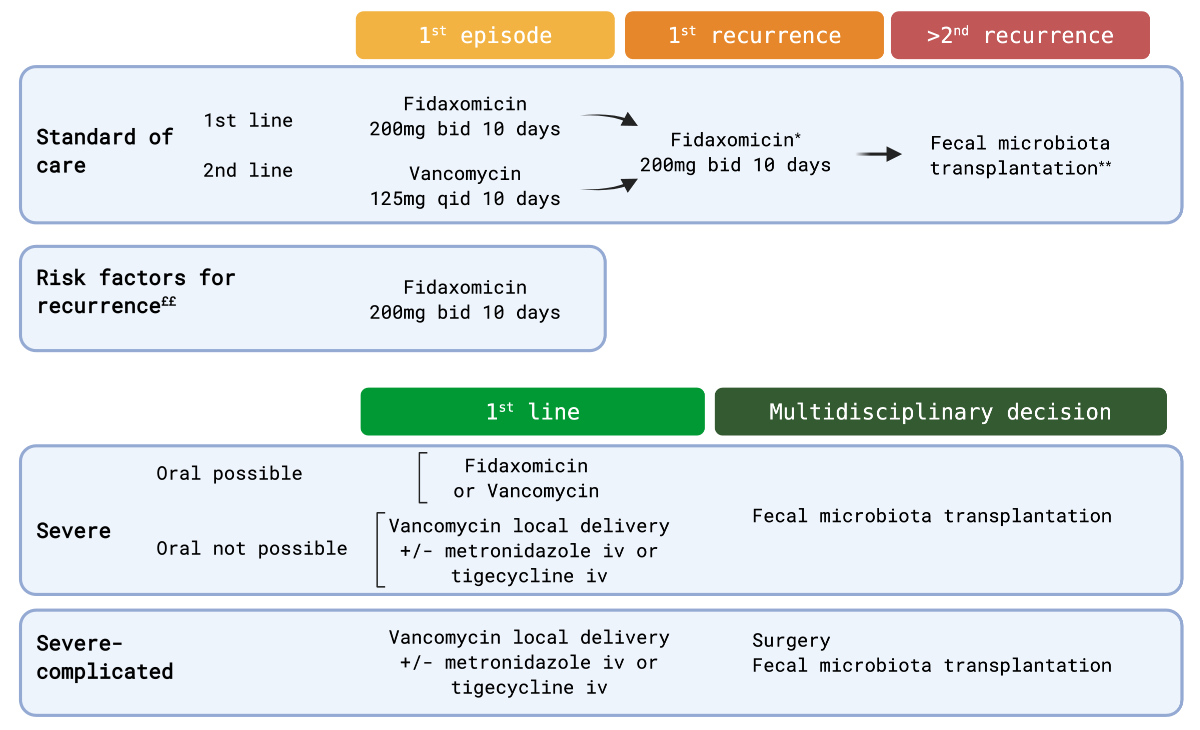
Figure 2Suggested treatment algorithm for Clostridioides difficile infection.
* Consider Extended fidaxomicin: 200 mg twice a day on day 1–5, 200 mg every 48 hours on day 7–25. / ** Can be discussed earlier in selected patients. FMT is always performed after a full 10 days’ treatment of vancomycin or fidaxomicin. / § Vancomycin taper pulse: 2 weeks 125 mg four times a day, 1 week 125 mg twice a day, 1 week 125 mg daily, 1 week 125 mg every 48 hours, 1 week 125 mg every 72 hours. / £ In multiple recurrences, vancomycin taper pulse is extremely less effective than FMT and should be considered only if FMT is not available. / ££ If one risk factor for recurrence is present.
There are two microbiota-derived standardised live biotherapeutic product treatments licensed for CDI. Both FDA-approved products (SER-109 and RBX2660) demonstrated substantial reduction of recurrence risk in rCDI compared with placebo, with recurrence rates of ~12% vs 40% and treatment success rates of ~71% versus ~58%, respectively.
SER-109 (VOWSTTM) consists of faecal viable Firmicutes spores (purified suspension from healthy donors) that are applied orally four capsules daily for three consecutive days. SER-109 is FDA-approved since 2023 for the prevention of recurrent CDI in adults with rCDI after antibiotic treatment. In a randomised, placebo-controlled phase III trial (ECOSPOR III), orally applied SER-109 (4 capsules daily for 3 days) demonstrated superiority over placebo in reducing the risk of rCDI. The proportion of patients with rCDI up to 8 weeks after dosing was 12% in the SER-109 group compared with 40% in the placebo group. The relative risk (RR) of recurrence was 0.32 (95% CI: 0.18–0.58) for SER-109 vs placebo (p <0.001) [79]. Engraftment was rapid and correlated with favourable outcomes. Post hoc analyses showed lower risks regardless of baseline characteristics, comorbidities, co-medications and ribotype [80].
RBX2660 (REBYOTATM) consists of cryopreserved broad consortia of live microbes from screened healthy donors, applied rectally as a single-dose microbiota suspension (150 ml). RBX2660 is FDA-approved since 2022 for the prevention of recurrent CDI in adults with rCDI after antibiotic treatment. In a randomised, double-blind, placebo-controlled phase 3 trial, a single-dose enema of RBX2660 achieved treatment success rates of 70.6% versus 57.5% for placebo at 8 weeks with an estimated treatment effect of 13.1% and a posterior probability of superiority of 0.991 [81]. There were more side effects with RBX2660 but most were mild gastrointestinal disorders such as diarrhoea and abdominal pain and overall safety was good.
One further live biotherapeutic product has received orphan drug designation from the FDA for CDI treatment: VE303 (Vedanta Biosciences®) is a defined bacterial consortium composed of 8 well-characterised, nonpathogenic, nontoxigenic, commensal strains of Clostridia, administered orally in capsules. The FDA has granted VE303 Orphan Drug designation for the prevention of rCDI in individuals with prior rCDI. A phase 2, double-blind, placebo-controlled dose-ranging study in adults with laboratory-confirmed CDI showed a significantly reduced risk of recurrence of 13.8% for high-dose VE303 versus 45.5% for placebo. This equates to an adjusted absolute risk reduction (ARR) of 30.5% (p = 0.006) [82]. A phase 3 study of VE303 for patients with rCDI is currently recruiting.
A comparison of the efficacy of these live biotherapeutic products compared to classic FMT from the pivotal van Nood trial is presented in figure 3.
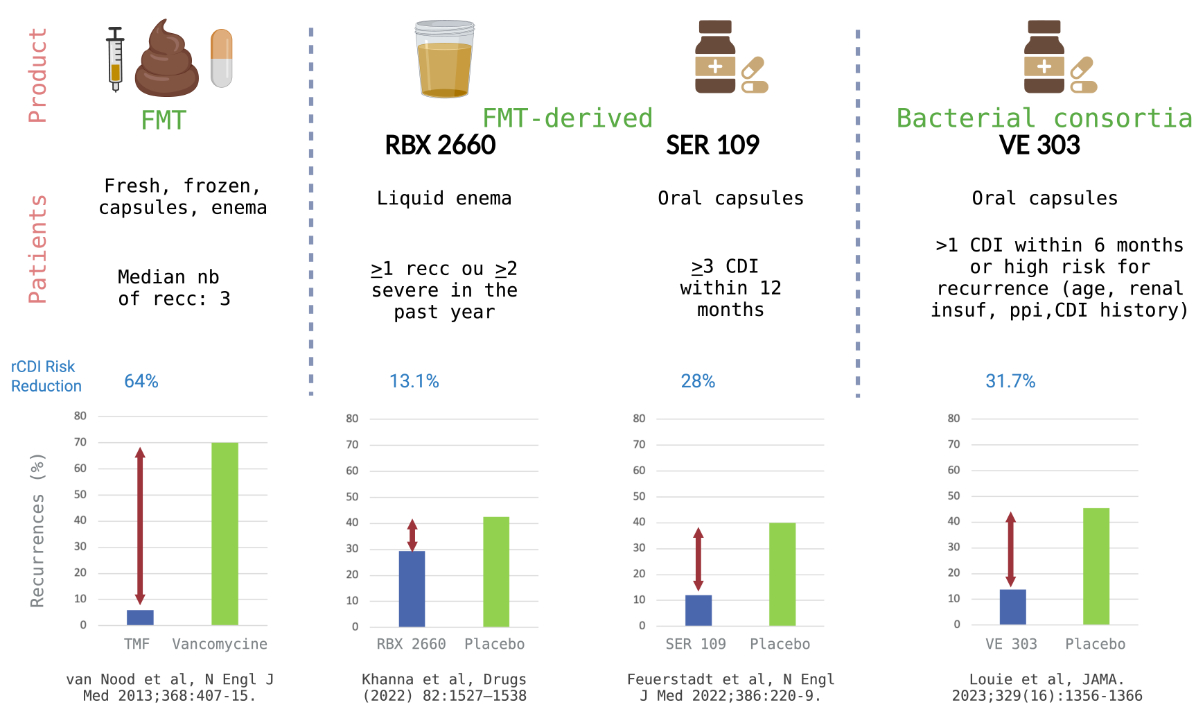
Figure 3Efficacy of RBX2660, SER109 and VE303 compared to classic FMT.
Other investigational microbiota-derived oral therapeutics include MET-2 and VP20621, which have been tested in phase 1 studies but to date still lack clinical efficacy data from clinical trials.
All these products offer consistent composition and rigorous safety screening, addressing limitations of conventional FMT. There are no head-to-head trial data available for these new products against FMT and none have been approved by the EMA or Swissmedic. Current international guidelines do not include these novel compounds yet. Therefore, we await further data and approval before we can make recommendations for their use.
We concur with the “Clinical Practice Guidelines for Clostridium difficile Infection in Adults and Children: 2017 Update” by the Infectious Diseases Society of America (IDSA) and the Society for Healthcare Epidemiology of America (SHEA) [5] that there is insufficient evidence to recommend administration of probiotics for primary prevention of CDI at this point.
Table 3 provides an overview of recommendations on infection prevention and control measures to prevent transmission of C. difficile in healthcare settings. These recommendations are based on the “Guidance document for prevention of CDI in acute healthcare settings” published on behalf of the European Society of Clinical Microbiology and Infectious Diseases (ESCMID) [83]. In general, these measures are supported by the Infectious Diseases Society of America (IDSA) and Society for Healthcare Epidemiology of America (SHEA) “Clinical Practice Guidelines for Clostridium difficile Infection in Adults and Children: 2017 Update” [5], in part with differing strengths of recommendations and quality assessments.
Table 3Overview of recommendations on infection prevention and control measures to prevent transmission of Clostridium difficile in healthcare settings.
| Infection control measure | Endemic setting | Outbreak setting | |||
| Recommendation | Quality of evidence | Recommendation | Quality of evidence | ||
| Surveillance in combination with timely feedback | Yes/strong | Very low | Yes/strong | Very low | |
| Screening of asymptomatic patients | No/conditional | Low | No/conditional | Not applicable | |
| Hand hygiene | Switch from hand rub to hand washing | No/conditional | Very low | Yes/conditional | Very low |
| Increase compliance | Yes/conditional | Very low | Yes/conditional | Very low | |
| Use of personal protective equipment (gloves/gowns) | Yes/conditional | Very low | Yes/strong | Very low | |
| Implement contact precautions | Yes/strong* | Very low | Yes/strong | Very low | |
| Environmental cleaning/disinfection | Daily and terminal environmental sporicidal disinfection | Yes/conditional | Very low | Yes/strong | Very low |
| “No touch” disinfection systems» | Yes/conditional | Very low | Yes/conditional | Very low | |
| Antibiotic stewardship | Restriction of antibiotic agents/classes | Yes/strong | Moderate | Yes/strong | Low |
| Reducing the duration of antibiotic therapy | Yes/strong | Very low | Yes/strong | Very low | |
| Education | Of healthcare workers | Yes/strong | Very low | Yes/strong | Not applicable |
| Of patients and visitors | Yes/strong | Not applicable | Yes/strong | Not applicable | |
* The authors acknowledge that institutions may choose to forgo contact precaution measures, providing strict surveillance of CDI rates and implementation of other prevention measures.
Further details are beyond the scope of this guideline.
Note: For the initial fidaxomicin prescription, contact with the patient insurance company may be required because reimbursement is currently limited to specific situations: no response to metronidazole and vancomycin, or multiple recurrences (≥2), or follow-up treatment of patients who were previously treated as inpatients with fidaxomicin. These limitations are not in line with the current literature.
The authors did not receive any financial support for the preparation of this manuscript.
All authors have completed and submitted the International Committee of Medical Journal Editors form for disclosure of potential conflicts of interest. No potential conflict of interest related to the content of this manuscript was disclosed.
1. Leffler DA, Lamont JT. Clostridium difficile infection. N Engl J Med. 2015 Apr;372(16):1539–48. doi: https://doi.org/10.1056/NEJMra1403772
2. Smits WK, Garey KW, Riley TV, Han YW, Young VB, Heritage J, et al. Clostridioides difficile should be considered a bacterial priority pathogen. Lancet Microbe. 2025 Nov;6(11):101184.
3. van Prehn J, Kuijper EJ, Dubberke ER. Recurrent Clostridioides difficile Infections. JAMA. 2025 Dec;334(23):2128–9.
4 Prehn J van, Reigadas E, Vogelzang EH, et al. European Society of Clinical Microbiology and Infectious Diseases: 2021 update on the treatment guidance document for Clostridioides difficile infection in adults. Clin Microbiol Infec 2021. https://doi.org/.
5. McDonald LC, Gerding DN, Johnson S, Bakken JS, Carroll KC, Coffin SE, et al. Clinical Practice Guidelines for Clostridium difficile Infection in Adults and Children: 2017 Update by the Infectious Diseases Society of America (IDSA) and Society for Healthcare Epidemiology of America (SHEA). Clin Infect Dis. 2018 Mar;66(7):e1–48.
6. Kelly CR, Fischer M, Allegretti JR, LaPlante K, Stewart DB, Limketkai BN, et al. ACG Clinical Guidelines: Prevention, Diagnosis, and Treatment of Clostridioides difficile Infections. Am J Gastroenterol. 2021 Jun;116(6):1124–47.
7. Johnson S, Lavergne V, Skinner AM, Gonzales-Luna AJ, Garey KW, Kelly CP, et al. Clinical Practice Guideline by the Infectious Diseases Society of America (IDSA) and Society for Healthcare Epidemiology of America (SHEA): 2021 Focused Update Guidelines on Management of Clostridioides difficile Infection in Adults. Clin Infect Dis. 2021 Sep;73(5):755–7.
8. Hoffmann DE, Javitt GH, Kelly CR, Keller JJ, Baunwall SM, Hvas CL. Fecal microbiota transplantation: a tale of two regulatory pathways. Gut Microbes. 2025 Dec;17(1):2493901.
9. Knoop FC, Owens M, Crocker IC. Clostridium difficile: clinical disease and diagnosis. Clin Microbiol Rev. 1993 Jul;6(3):251–65. doi: https://doi.org/10.1128/CMR.6.3.251
10. Singer M, Deutschman CS, Seymour CW, et al. The Third International Consensus Definitions for Sepsis and Septic Shock (Sepsis-3). Jama, vol. 315, 2016, p. 801 810. https://doi.org/
11. Miller JM, Binnicker MJ, Campbell S, Carroll KC, Chapin KC, Gonzalez MD, et al. Guide to Utilization of the Microbiology Laboratory for Diagnosis of Infectious Diseases: 2024 Update by the Infectious Diseases Society of America (IDSA) and the American Society for Microbiology (ASM). Clin Infect Dis. 2024 Mar;•••:ciae104.
12. Freeman J, Wilcox MH. The effects of storage conditions on viability of Clostridium difficile vegetative cells and spores and toxin activity in human faeces. J Clin Pathol. 2003 Feb;56(2):126–8. doi: https://doi.org/10.1136/jcp.56.2.126
13. Schora DM, Peterson LR, Usacheva EA. Immunological Stability of Clostridium difficile Toxins in Clinical Specimens. Infect Control Hosp Epidemiol. 2018 Apr;39(4):434–8.
14. Crobach MJ, Planche T, Eckert C, Barbut F, Terveer EM, Dekkers OM, et al. European Society of Clinical Microbiology and Infectious Diseases: update of the diagnostic guidance document for Clostridium difficile infection. Clin Microbiol Infect. 2016 Aug;22 Suppl 4:S63–81.
15. Senchyna F, Gaur RL, Gombar S, Truong CY, Schroeder LF, Banaei N. Clostridium difficile PCR Cycle Threshold Predicts Free Toxin. J Clin Microbiol. 2017 Sep;55(9):2651–60. doi: https://doi.org/10.1128/JCM.00563-17
16. Crobach MJ, Duszenko N, Terveer EM, Verduin CM, Kuijper EJ. Nucleic Acid Amplification Test Quantitation as Predictor of Toxin Presence in Clostridium difficile Infection. J Clin Microbiol. 2018 Feb;56(3):95. doi: https://doi.org/10.1128/JCM.01316-17
17. Asempa TE, Nicolau DP. Clostridium difficile infection in the elderly: an update on management. Clin Interv Aging. 2017 Oct;12:1799–809. doi: https://doi.org/10.2147/CIA.S149089
18. Gilboa M, Regev-Yochay G, Meltzer E, Cohen I, Peretz Y, Zilberman-Daniels T, et al. Antibiotic Use and the Risk of Hospital-Onset Clostridioides Difficile Infection. JAMA Netw Open. 2025 Aug;8(8):e2525252.
19. Vardakas KZ, Konstantelias AA, Loizidis G, Rafailidis PI, Falagas ME. Risk factors for development of Clostridium difficile infection due to BI/NAP1/027 strain: a meta-analysis. Int J Infect Dis. 2012 Nov;16(11):e768–73.
20. Miller AC, Arakkal AT, Sewell DK, Segre AM, Tholany J, Polgreen PM; CDC MInD-Healthcare Group. Comparison of Different Antibiotics and the Risk for Community-Associated Clostridioides difficile Infection: A Case-Control Study. Open Forum Infect Dis. 2023 Aug;10(8):ofad413.
21. Esme M, Topeli A, Yavuz BB, Akova M. Infections in the Elderly Critically-Ill Patients. Front Med (Lausanne). 2019 Jun;6:118.
22. Furuya-Kanamori L, Stone JC, Clark J, McKenzie SJ, Yakob L, Paterson DL, et al. Comorbidities, Exposure to Medications, and the Risk of Community-Acquired Clostridium difficile Infection: a systematic review and meta-analysis. Infect Control Hosp Epidemiol. 2015 Feb;36(2):132–41.
23. Morrison RH, Hall NS, Said M, Rice T, Groff H, Brodine SK, et al. Risk factors associated with complications and mortality in patients with Clostridium difficile infection. Clin Infect Dis. 2011 Dec;53(12):1173–8.
24. Messick CA, Hammel JP, Hull T. Risk Factors that Predict Recurrent Clostridium difficile Infections in Surgical Patients. Am Surg. 2017 Jun;83(6):653–9. doi: https://doi.org/10.1177/000313481708300633
25. D’Agostino RB Sr, Collins SH, Pencina KM, Kean Y, Gorbach S. Risk estimation for recurrent Clostridium difficile infection based on clinical factors. Clin Infect Dis. 2014 May;58(10):1386–93.
26. van Rossen TM, Ooijevaar RE, Vandenbroucke-Grauls CM, Dekkers OM, Kuijper EJ, Keller JJ, et al. Prognostic factors for severe and recurrent Clostridioides difficile infection: a systematic review. Clin Microbiol Infect. 2022 Mar;28(3):321–31.
27 Johnson S, Louie TJ, Gerding DN, et al. Vancomycin, metronidazole, or tolevamer for Clostridium difficile infection: results from two multinational, randomized, controlled trials. Clin Infect Dis 1 AD;59:345–54. https://doi.org/.
28. Allegretti JR, Marcus J, Storm M, Sitko J, Kennedy K, Gerber GK, et al. Clinical Predictors of Recurrence After Primary Clostridioides difficile Infection: A Prospective Cohort Study. Dig Dis Sci. 2020 Jun;65(6):1761–6.
29. Beinortas T, Burr NE, Wilcox MH, Subramanian V. Comparative efficacy of treatments for Clostridium difficile infection: a systematic review and network meta-analysis. Lancet Infect Dis. 2018 Sep;18(9):1035–44. doi: https://doi.org/10.1016/S1473-3099(18)30285-8
30. Stabholz Y, Paul M. The effect of antibiotic therapy for Clostridioides difficile infection on mortality and other patient-relevant outcomes: a systematic review and meta-analysis. Clin Microbiol Infect. 2024 Jan;30(1):51–8.
31 Stevens VW, Nelson RE, Schwab-Daugherty EM, et al. Comparative Effectiveness of Vancomycin and Metronidazole for the Prevention of Recurrence and Death in Patients With Clostridium difficileInfection. Jama Intern Med 2017;177:546 8. https://doi.org/.
32. Doan TH, Yen-Nicolaÿ S, Bernet-Camard MF, Martin-Verstraete I, Péchiné S. Impact of subinhibitory concentrations of metronidazole on proteome of Clostridioides difficile strains with different levels of susceptibility. PLoS One. 2020 Nov;15(11):e0241903.
33. Krutova M, Wilcox M, Kuijper E. Clostridioides difficile infection: are the three currently used antibiotic treatment options equal from pharmacological and microbiological points of view? Int J Infect Dis. 2022 Nov;124:118–23.
34. Burton HE, Mitchell SA, Watt M. A Systematic Literature Review of Economic Evaluations of Antibiotic Treatments for Clostridium difficile Infection. PharmacoEconomics. 2017 Nov;35(11):1123–40.
35. Tashiro S, Mihara T, Sasaki M, Shimamura C, Shimamura R, Suzuki S, et al. Oral fidaxomicin versus vancomycin for the treatment of Clostridioides difficile infection: A systematic review and meta-analysis of randomized controlled trials. J Infect Chemother. 2022 Nov;28(11):1536–45.
36. Zhao Z, Wu Y, Geng X, Yuan C, Fu Y, Yang G. Efficacy of fidaxomicin versus vancomycin in the treatment of Clostridium difficile infection: A systematic meta-analysis. Medicine (Baltimore). 2024 Aug;103(32):e39213. doi: https://doi.org/10.1097/MD.0000000000039213
37. Li Q, Obi E, Marciniak A, Newman R, Whittle I, Kufakwaro J. Clinical and economic outcomes associated with fidaxomicin in comparison to vancomycin, metronidazole, and FMT: A systematic literature review. Medicine (Baltimore). 2024 Dec;103(52):e39219. doi: https://doi.org/10.1097/MD.0000000000039219
38. Rao K, Zhao Q, Bell J, et al. An Open-Label, Randomized Trial Comparing Fidaxomicin With Oral Vancomycin for the Treatment of Clostridioides difficile Infection in Hospitalized Patients Receiving Concomitant Antibiotics for Concurrent Infections. Clin Infect Dis. 2023;•••:ciad606.
39. Sehgal K, Zandvakili I, Tariq R, Pardi DS, Khanna S. Systematic Review and Meta-Analysis: Efficacy of Vancomycin Taper and Pulse Regimens in Clostridioides difficile Infection. Expert Rev Anti Infect Ther. 2022 Apr;20(4):577–83.
40. Pearlmutter BS, Carlisle MG, Wilson BM, Sangwan N, Donskey CJ. Pulsed dosing and extended daily dosing of oral vancomycin do not facilitate clearance of Clostridioides difficile colonization in mice. Antimicrob Agents Chemother. 2024 Jan;68(1):e0090323.
41. Zhang K, Beckett P, Abouanaser S, Stankus V, Lee C, Smieja M. Prolonged oral vancomycin for secondary prophylaxis of relapsing Clostridium difficile infection. BMC Infect Dis. 2019 Jan;19(1):51.
42. McDonald EG, Butler-Laporte G, Brophy JM, Elsayed S, Frenette C, Huseen I, et al.; TAPER-V Team. Initial Vancomycin Taper for the Prevention of Recurrent Clostridioides difficile Infection: A Randomized Clinical Trial. JAMA Netw Open. 2026 Feb;9(2):e2560495.
43. Peery AF, Kelly CR, Kao D, Vaughn BP, Lebwohl B, Singh S, et al.; AGA Clinical Guidelines Committee. Electronic address: clinicalpractice@gastro.org. AGA Clinical Practice Guideline on Fecal Microbiota-Based Therapies for Select Gastrointestinal Diseases. Gastroenterology. 2024 Mar;166(3):409–34.
44. Guery B, Menichetti F, Anttila VJ, Adomakoh N, Aguado JM, Bisnauthsing K, et al.; EXTEND Clinical Study Group. Extended-pulsed fidaxomicin versus vancomycin for Clostridium difficile infection in patients 60 years and older (EXTEND): a randomised, controlled, open-label, phase 3b/4 trial. Lancet Infect Dis. 2018 Mar;18(3):296–307. doi: https://doi.org/10.1016/S1473-3099(17)30751-X
45. Tomas ME, Mana TS, Wilson BM, Nerandzic MM, Joussef-Piña S, Quiñones-Mateu ME, et al. Tapering Courses of Oral Vancomycin Induce Persistent Disruption of the Microbiota That Provide Colonization Resistance to Clostridium difficile and Vancomycin-Resistant Enterococci in Mice. Antimicrob Agents Chemother. 2018 Apr;62(5):e02237–17. doi: https://doi.org/10.1128/AAC.02237-17
46 Louie TJ, Cannon K, Byrne B, et al. Fidaxomicin Preserves the Intestinal Microbiome During and After Treatment of Clostridium difficile Infection (CDI) and Reduces Both Toxin Reexpression and Recurrence of CDI. Clin Infect Dis 1 AD;55:S132–42. https://doi.org/.
47. Yamaguchi T, Konishi H, Aoki K, Ishii Y, Chono K, Tateda K. The gut microbiome diversity of Clostridioides difficile-inoculated mice treated with vancomycin and fidaxomicin. J Infect Chemother. 2020 May;26(5):483–91.
48. Deshpande A, Hurless K, Cadnum JL, Chesnel L, Gao L, Chan L, et al. Effect of Fidaxomicin versus Vancomycin on Susceptibility to Intestinal Colonization with Vancomycin-Resistant Enterococci and Klebsiella pneumoniae in Mice. Antimicrob Agents Chemother. 2016 Jun;60(7):3988–93. doi: https://doi.org/10.1128/AAC.02590-15
49. Ajami NJ, Cope JL, Wong MC, Petrosino JF, Chesnel L. Impact of Oral Fidaxomicin Administration on the Intestinal Microbiota and Susceptibility to Clostridium difficile Colonization in Mice. Antimicrob Agents Chemother. 2018 Apr;62(5):e02112–7. doi: https://doi.org/10.1128/AAC.02112-17
50. Gergely Szabo B, Kadar B, Szidonia Lenart K, Dezsenyi B, Kunovszki P, Fried K, et al. Use of intravenous tigecycline in patients with severe Clostridium difficile infection: a retrospective observational cohort study. Clin Microbiol Infect. 2016 Dec;22(12):990–5.
51. Kechagias KS, Chorepsima S, Triarides NA, Falagas ME. Tigecycline for the treatment of patients with Clostridium difficile infection: an update of the clinical evidence. Eur J Clin Microbiol Infect Dis. 2020 Jun;39(6):1053–8.
52. Phillips EC, Warren CA, Ma JZ, Madden GR. Impact of Tigecycline on C. difficile Outcomes: Case Series and Propensity-Matched Retrospective Study. Antimicrob Agents Chemother. 2022 Jun;66(6):e0000122.
53. Larson KC, Belliveau PP, Spooner LM. Tigecycline for the treatment of severe Clostridium difficile infection. Ann Pharmacother. 2011 Jul;45(7-8):1005–10. doi: https://doi.org/10.1345/aph.1Q080
54. Herpers BL, Vlaminckx B, Burkhardt O, Blom H, Biemond-Moeniralam HS, Hornef M, et al. Intravenous tigecycline as adjunctive or alternative therapy for severe refractory Clostridium difficile infection. Clin Infect Dis. 2009 Jun;48(12):1732–5.
55. van Nood E, Vrieze A, Nieuwdorp M, Fuentes S, Zoetendal EG, de Vos WM, et al. Duodenal infusion of donor feces for recurrent Clostridium difficile. N Engl J Med. 2013 Jan;368(5):407–15. doi: https://doi.org/10.1056/NEJMoa1205037
56 Kelly CR, Khoruts A, Staley C, et al. Effect of Fecal Microbiota Transplantation on Recurrence in Multiply Recurrent Clostridium difficile Infection: A Randomized Trial. Ann Intern Med 1 AD;165:609–16. https://doi.org/. doi: https://doi.org/10.7326/M16-0271
57. Hvas CL, Dahl Jørgensen SM, Jørgensen SP, Storgaard M, Lemming L, Hansen MM, et al. Fecal Microbiota Transplantation Is Superior to Fidaxomicin for Treatment of Recurrent Clostridium difficile Infection. Gastroenterology. 2019 Apr;156(5):1324–1332.e3.
58 Kao D, Roach B, Silva M, et al. Effect of Oral Capsule– vs Colonoscopy-Delivered Fecal Microbiota Transplantation on Recurrent Clostridium difficileInfection. Jama 2017;318:1985 2. https://doi.org/.
59. Vaughn BP, Fischer M, Kelly CR, Allegretti JR, Graiziger C, Thomas J, et al. Effectiveness and Safety of Colonic and Capsule Fecal Microbiota Transplantation for Recurrent Clostridioides difficile Infection. Clin Gastroenterol Hepatol. 2023 May;21(5):1330–1337.e2.
60. Minkoff NZ, Aslam S, Medina M, Tanner-Smith EE, Zackular JP, Acra S, et al. Fecal microbiota transplantation for the treatment of recurrent Clostridioides difficile (Clostridium difficile). Cochrane Database Syst Rev. 2023 Apr;4(4):CD013871. doi: https://doi.org/10.1002/14651858.CD013871.pub2
61 Quraishi MN, Widlak M, Bhala N, et al. Systematic review with meta-analysis: the efficacy of faecal microbiota transplantation for the treatment of recurrent and refractory Clostridium difficileinfection. Aliment Pharm Therap 2017;46:479 493. https://doi.org/.
62. Svensson CK, Cold F, Ribberholt I, Zangenberg M, Mirsepasi-Lauridsen HC, Petersen AM, et al. The Efficacy of Faecal Microbiota Transplant and Rectal Bacteriotherapy in Patients with Recurrent Clostridioides difficile Infection: A Retrospective Cohort Study. Cells. 2022 Oct;11(20):3272.
63. Poylin V, Hawkins AT, Bhama AR, Boutros M, Lightner AL, Khanna S, et al.; Prepared by the Clinical Practice Guidelines Committee of The American Society of Colon and Rectal Surgeons. The American Society of Colon and Rectal Surgeons Clinical Practice Guidelines for the Management of Clostridioides difficile Infection. Dis Colon Rectum. 2021 Jun;64(6):650–68. doi: https://doi.org/10.1097/DCR.0000000000002047
64. Juul FE, Bretthauer M, Johnsen PH, Samy F, Tonby K, Berdal JE, et al. Fecal Microbiota Transplantation Versus Vancomycin for Primary Clostridioides difficile Infection : A Randomized Controlled Trial. Ann Intern Med. 2025 Jul;178(7):940–7. doi: https://doi.org/10.7326/ANNALS-24-03285
65. Baunwall SM, Andreasen SE, Hansen MM, Kelsen J, Høyer KL, Rågård N, et al. Faecal microbiota transplantation for first or second Clostridioides difficile infection (EarlyFMT): a randomised, double-blind, placebo-controlled trial. Lancet Gastroenterol Hepatol. 2022 Dec;7(12):1083–91. doi: https://doi.org/10.1016/S2468-1253(22)00276-X
66. Aby ES, Vaughn BP, Enns EA, Rajasingham R. Cost-effectiveness of fecal microbiota transplantation for first recurrent Clostridioides difficile infection. Clin Infect Dis. 2022 Oct;75(9):1602–9.
67. Marcella C, Cui B, Kelly CR, Ianiro G, Cammarota G, Zhang F. Systematic review: the global incidence of faecal microbiota transplantation-related adverse events from 2000 to 2020. Aliment Pharmacol Ther. 2021 Jan;53(1):33–42.
68. Yau YK, Lau LH, Lui RN, Wong SH, Guo CL, Mak JW, et al. Long-Term Safety Outcomes of Fecal Microbiota Transplantation: Real-World Data Over 8 Years From the Hong Kong FMT Registry. Clin Gastroenterol Hepatol. 2024 Mar;22(3):611–620.e12.
69. Perler BK, Chen B, Phelps E, Allegretti JR, Fischer M, Ganapini V, et al. Long-Term Efficacy and Safety of Fecal Microbiota Transplantation for Treatment of Recurrent Clostridioides difficile Infection. J Clin Gastroenterol. 2020 Sep;54(8):701–6. doi: https://doi.org/10.1097/MCG.0000000000001281
70. Saha S, Mara K, Pardi DS, Khanna S. Long-term Safety of Fecal Microbiota Transplantation for Recurrent Clostridioides difficile Infection. Gastroenterology. 2021 May;160(6):1961–1969.e3.
71. Dawwas GK, Brensinger CM, Vajravelu RK, Wu Q, Kelly CR, Laine L, et al. Long-term Outcomes Following Multiply Recurrent Clostridioides difficile Infection and Fecal Microbiota Transplantation. Clin Gastroenterol Hepatol. 2022 Apr;20(4):806–816.e6.
72. Gupta S, Mullish BH, Allegretti JR. Fecal Microbiota Transplantation: The Evolving Risk Landscape. Am J Gastroenterol. 2021 Apr;116(4):647–56.
73. Berry P, Tariq R, Pardi D, et al. Effectiveness and Safety of Fecal Microbiota Transplantation for Recurrent Clostridioides difficile Infection in Immunocompromised Patients. Clin Gastroenterol Hepatol. 2025;•••:
74. Zhao Z, Wu Y, Geng X, Yuan C, Fu Y, Yang G. Efficacy of fidaxomicin versus vancomycin in the treatment of Clostridium difficile infection: A systematic meta-analysis. Medicine (Baltimore). 2024 Aug;103(32):e39213. doi: https://doi.org/10.1097/MD.0000000000039213
75. Gentry CA, Nguyen PK, Thind S, Kurdgelashvili G, Skrepnek GH, Williams RJ 2nd. Fidaxomicin versus oral vancomycin for severe Clostridium difficile infection: a retrospective cohort study. Clin Microbiol Infect. 2019 Aug;25(8):987–93.
76. Cammarota G, Masucci L, Ianiro G, Bibbò S, Dinoi G, Costamagna G, et al. Randomised clinical trial: faecal microbiota transplantation by colonoscopy vs. vancomycin for the treatment of recurrent Clostridium difficile infection. Aliment Pharmacol Ther. 2015 May;41(9):835–43.
77. Tixier EN, Verheyen E, Luo Y, Grinspan LT, Du CH, Ungaro RC, et al. Systematic Review with Meta-Analysis: Fecal Microbiota Transplantation for Severe or Fulminant Clostridioides difficile. Dig Dis Sci. 2022 Mar;67(3):978–88.
78. Tixier EN, Verheyen E, Ungaro RC, Grinspan AM. Faecal microbiota transplant decreases mortality in severe and fulminant Clostridioides difficile infection in critically ill patients. Aliment Pharmacol Ther. 2019 Nov;50(10):1094–9.
79. Feuerstadt P, Louie TJ, Lashner B, Wang EE, Diao L, Bryant JA, et al. SER-109, an Oral Microbiome Therapy for Recurrent Clostridioides difficile Infection. N Engl J Med. 2022 Jan;386(3):220–9. doi: https://doi.org/10.1056/NEJMoa2106516
80. Blair HA. SER-109 (VOWST™): A Review in the Prevention of Recurrent Clostridioides difficile Infection. Drugs. 2024 Mar;84(3):329–36.
81. Khanna S, Assi M, Lee C, Yoho D, Louie T, Knapple W, et al. Efficacy and Safety of RBX2660 in PUNCH CD3, a Phase III, Randomized, Double-Blind, Placebo-Controlled Trial with a Bayesian Primary Analysis for the Prevention of Recurrent Clostridioides difficile Infection. Drugs. 2022 Oct;82(15):1527–38.
82. Louie T, Golan Y, Khanna S, Bobilev D, Erpelding N, Fratazzi C, et al. VE303, a Defined Bacterial Consortium, for Prevention of Recurrent Clostridioides difficile Infection: A Randomized Clinical Trial. JAMA. 2023 Apr;329(16):1356–66.
83. Tschudin-Sutter S, Kuijper EJ, Durovic A, Vehreschild MJ, Barbut F, Eckert C, et al.; Committee. Guidance document for prevention of Clostridium difficile infection in acute healthcare settings. Clin Microbiol Infect. 2018 Oct;24(10):1051–4.
84. Webb BJ, Subramanian A, Lopansri B, et al. Antibiotic Exposure and Risk for Hospital-Associated Clostridioides difficile Infection. Antimicrob Agents Chemother 2020;64:. https://doi.org/. doi: https://doi.org/10.1128/AAC.02169-19
85. Liu Y, Dai M, Zhang K, Zhang L, Lin B, Chen K, et al. Risk of Clostridioides difficile infection following different antibiotics: insights from multi-source medical data. Int J Antimicrob Agents. 2024 Oct;64(4):107288.
86. Di Bella S, Sanson G, Monticelli J, Zerbato V, Principe L, Giuffrè M, et al. Clostridioides difficile infection: history, epidemiology, risk factors, prevention, clinical manifestations, treatment, and future options. Clin Microbiol Rev. 2024 Jun;37(2):e0013523.
87. Miller AC, Arakkal AT, Sewell DK, Segre AM, Tholany J, Polgreen PM; CDC MInD-Healthcare Group. CDC MInD-Healthcare Group. Comparison of different antibiotics and the risk for community-associated Clostridioides difficile infection: a case–control study. Open Forum Infect Dis. 2023 Aug;10(8):ofad413.
88. Webb BJ, Subramanian A, Lopansri B, Goodman B, Jones PB, Ferraro J, et al. Antibiotic exposure and risk for hospital-associated Clostridioides difficile infection. Antimicrob Agents Chemother. 2020 Mar;64(4):e02169–19.
89. Liu Y, Dai M, Zhang K, Zhang L, Lin B, Chen K, et al. Risk of Clostridioides difficile infection following different antibiotics: insights from multi-source medical data. Int J Antimicrob Agents. 2024 Oct;64(4):107288.
90. Ray MJ, Strnad LC, Tucker KJ, Furuno JP, Lofgren ET, McCracken CM, et al. Influence of Antibiotic Exposure Intensity on the Risk of Clostridioides difficile Infection. Clin Infect Dis. 2024 Nov;79(5):1129–35.
91. Brown KA, Khanafer N, Daneman N, Fisman DN. Meta-analysis of antibiotics and the risk of community-associated Clostridium difficile infection. Antimicrob Agents Chemother. 2013 May;57(5):2326–32. doi: https://doi.org/10.1128/AAC.02176-12
92. Azab M, Doo L, Doo DH, Elmofti Y, Ahmed M, Cadavona JJ, et al. Comparison of the Hospital-Acquired Clostridium difficile Infection Risk of Using Proton Pump Inhibitors versus Histamine-2 Receptor Antagonists for Prophylaxis and Treatment of Stress Ulcers: A Systematic Review and Meta-Analysis. Gut Liver. 2017 Nov;11(6):781–8.
93. Eeuwijk J, Ferreira G, Yarzabal JP, Robert-Du Ry van Beest Holle M. A Systematic Literature Review on Risk Factors for and Timing of Clostridioides difficile Infection in the United States. Infect Dis Ther. 2024 Feb;13(2):273–98.
94. Finke M, Boven A, Vlieghe E, Engstrand L, Orsini N, Brusselaers N. Proton pump inhibitors and the risk of Clostridioides difficile infection: A systematic review and dose-response meta-analysis. J Infect. 2025 May;90(5):106488.
95. Floria DE, Obeidat M, Váncsa S, Kávási SB, Földvári-Nagy L, Hegyi P, et al. Proton pump inhibitors are not associated with an increased risk of Clostridioides difficile infection: a systematic review and meta-analysis of randomized controlled trials. Gut Microbes. 2025 Dec;17(1):2562341.
96. Moayyedi P, Eikelboom JW, Bosch J, Connolly SJ, Dyal L, Shestakovska O, et al.; COMPASS Investigators. Safety of Proton Pump Inhibitors Based on a Large, Multi-Year, Randomized Trial of Patients Receiving Rivaroxaban or Aspirin. Gastroenterology. 2019 Sep;157(3):682–691.e2.
97. Anjewierden S, Han Z, Brown AM, Donskey CJ, Deshpande A. Risk factors for Clostridioides difficile colonization among hospitalized adults: A meta-analysis and systematic review. Infect Control Hosp Epidemiol. 2021 May;42(5):565–72.
98. Cannon CM, Musuuza JS, Barker AK, Duster M, Juckett MB, Pop-Vicas AE, et al. Risk of Clostridium difficile Infection in Hematology-Oncology Patients Colonized With Toxigenic C. difficile. Infect Control Hosp Epidemiol. 2017 Jun;38(6):718–20.
99. Ford CD, Lopansri BK, Webb BJ, Coombs J, Gouw L, Asch J, et al. Clostridioides difficile colonization and infection in patients with newly diagnosed acute leukemia: Incidence, risk factors, and patient outcomes. Am J Infect Control. 2019 Apr;47(4):394–9.
100. Fuereder T, Koni D, Gleiss A, Kundi M, Makristathis A, Zielinski C, et al. Risk factors for Clostridium difficile infection in hemato-oncological patients: A case control study in 144 patients. Sci Rep. 2016 Aug;6(1):31498.
101. Milenković B, Šuljagić V, Perić A, Dragojević-Simić V, Tarabar O, Milanović M, et al. Outcomes of Clostridioides difficile infection in adult cancer and non-cancer patients hospitalised in a tertiary hospital: a prospective cohort study. Eur J Hosp Pharm. 2022 Mar;29 e1:e15–22.
102. Larrainzar-Coghen T, Rodríguez-Pardo D, Barba P, Aguilar-Company J, Rodríguez V, Roig G, et al. Prognosis of Clostridium difficile infection in adult oncohaematological patients: experience from a large prospective observational study. Eur J Clin Microbiol Infect Dis. 2018 Nov;37(11):2075–82.
103. De-la-Rosa-Martinez D, Zinser-Peniche P, Martin-Onraet A, Rivera-Buendía F, Vilar-Compte D. Performance of Clostridioides difficile infection severity scores and risk factors related to 30-day all-cause mortality in patients with cancer. Support Care Cancer. 2023 Feb;31(3):187.
104. Hung YP, Tsai CS, Tsai BY, Tsai PJ, Lee YT, Lee JC, et al. Clostridioides difficile infection in patients with hematological malignancy: A multicenter study in Taiwan. J Microbiol Immunol Infect. 2021 Dec;54(6):1101–10.
Table S1Workflow of the guideline development.
| Task | Who | What |
| Design / conceptualization; level: leading committee | ||
| Definition of working groups (WG) and group leaders | SSI executive committee | Definition of 4 WG: definitions, risk factors, treatment and hygiene/prevention. |
| Constitution of the WGs | Group leaders | Designation of 4 group leaders among the scientific committee according to their expertise in the field. |
| Determination of questions to answer | Group leaders | For each WG, a subset of practical questions to answer (i.e. relevant for clinical practice) were defined. |
| Analysis / Interpretation; level: each working group (WG) | ||
| Literature review | Group leaders and senior reviewers | Selection of relevant articles (literature search) for each topic and questions to answer. |
| Compilation of evidences | Group leaders and senior reviewers | Analyses of selected articles. Constitution of a core of evidence-based elements to answer the questions. |
| Proposition of recommendation | All WG members (group leaders, senior reviewers) | Review of the core of evidence-based elements and proposition of recommendation based on these elements. |
| Discussion for recommendations; level: all participants | ||
| Presentation of results and preliminary recommendations | Plenary webex: all participants (group leaders, senior reviewers). All participants were required | Presentation of the results by each WG. |
| Analysis of the recommendations | All participants (group leaders, senior reviewers) | Results and recommendations were analyzed by all the participants. All the comments were then gathered to be discussed in the last plenary Webex. The participants were invited to send by email their potential comments or disagreements. |
| Plenary session final discussion | Plenary Webex: all participants (group leaders, senior reviewers). All participants were required | All comments were discussed to reach a consensus. |
| Preparation of manuscript; level: all participants | ||
| First draft of individual chapters | Each group leader | Each WG, redaction of their dedicated chapter after discussion of the evidence in the WG |
| First draft of the complete manuscript | B Guery | Introduction and methodology, merging of all different chapters, harmonization of style and length, finalization of tables / figures. |
| Review / editing of manuscript | All participants | Manuscript was sent by email to all participants for review. Approval of all participants was required for co-authorship. |
| Finalization of the manuscript | B Guery | Implementation of edits of the participants. Implementation following the changes suggested in the final plenary Webex. |
Table S2Composition of the working groups (WG).
| Last name, first name | Specialty | Role |
| WG 1: definitions | ||
| Prendki, Virginie | Geriatrics, Infectious diseases | Group leader |
| Guery, Benoit | Infectious diseases | Senior reviewer |
| WG 2: risk factors | ||
| Brugger, Silvio D | Infectious diseases | Group leader |
| Prendki, Virginie | Geriatrics, Infectious diseases | Senior reviewer |
| Martischang, Romain | Infectious diseases | Senior reviewer |
| WG 3: treatment | ||
| Guery, Benoit | Infectious diseases | Group leader |
| Albrich, Werner | Infectious diseases | Senior reviewer |
| Brugger, Silvio D | Infectious diseases | Group leader |
| WG 4: hygiene and prevention | ||
| Tschudin-Sutter, Sarah | Hygiene, Infectious diseases | Group leader |
| Stroffolini, Giacomo | Hygiene, Infectious diseases | Senior reviewer |