Dorsal pancreatic agenesis revealed by acute
biliary pancreatitis in a postpartum woman with gestational diabetes: a case
report
DOI: https://doi.org/https://doi.org/10.57187/5278
Layal Barjoud12*,
Emilie Uldry23,
Amaniel Kefleyesus23
1 Faculty of Biomedical Sciences, Università della Svizzera Italiana,
Lugano, Switzerland
2 Lausanne University Hospital (CHUV), Lausanne,
Switzerland
3 University of Lausanne, Lausanne,
Switzerland
Summary
Dorsal pancreatic agenesis is an
exceptionally rare congenital anomaly involving the partial or complete absence
of the pancreatic body and tail. Metabolic dysfunction, including impaired
glucose tolerance and insulin-dependent diabetes, is frequently reported;
however, the relationship between dorsal pancreatic agenesis and gestational diabetes
mellitus has been reported only sporadically.
The objective of this report is to present
a rare case of dorsal pancreatic agenesis revealed by acute biliary pancreatitis and
recurrent gestational diabetes mellitus and
to review the relevant literature concerning its metabolic and clinical
implications.
We report the case of a postpartum woman in
her early 30s who presented with acute biliary pancreatitis. Imaging revealed
complete agenesis of the pancreatic body and tail, with preservation of the
pancreatic head derived from the ventral bud. She had a history of recurrent
gestational diabetes, raising the possibility that pregnancy-associated insulin
resistance had unmasked a compensated beta-cell deficit due to dorsal pancreatic agenesis.
The patient
underwent an uncomplicated laparoscopic cholecystectomy with symptom
resolution.
This case highlights three clinically
significant observations: (1) recurrent gestational diabetes mellitus may represent
an early clinical
clue to reduced pancreatic endocrine reserve in dorsal pancreatic agenesis; (2) acute
biliary
pancreatitis can incidentally reveal congenital pancreatic anomalies; and (3) structural
pancreatic abnormalities should be considered in patients with atypical or
recurrent gestational diabetes mellitus. The association between dorsal pancreatic
agenesis and
gestational diabetes has been reported, albeit rarely, but the interaction
between recurrent gestational diabetes mellitus, obesity, and reduced pancreatic endocrine
reserve
remains insufficiently characterised.
Introduction
Dorsal pancreatic agenesis is a rare congenital malformation
resulting from the absence of the dorsal pancreatic bud derivatives, namely the
body, tail, and superior head. Fewer than 120 anatomically confirmed cases have
been reported, though incidental discovery has increased with modern
cross-sectional imaging [1–6]. Dorsal pancreatic agenesis is typically identified
during the evaluation
of abdominal pain, pancreatitis, or biliary disease, yet a growing number of
cases are detected incidentally [1,3–6]. Endoscopic ultrasound also plays
an important role in confirming the absence of dorsal ductal structures when computed
tomography (CT) or magnetic resonance imaging (MRI) findings are inconclusive [14].
Dorsal pancreatic agenesis exhibits wide clinical variability. Approximately half
of
affected individuals develop abnormalities of glucose metabolism, including
impaired fasting glucose, insulin-dependent diabetes, and highly labile
glycaemia, consistent with loss of islet-rich dorsal parenchyma [2, 4, 6–9].
Severe endocrine presentations such as diabetic ketoacidosis have also been
documented [9, 10]. Conversely, some patients remain asymptomatic until a
physiological stressor reveals a previously compensated beta-cell deficit.
Pancreatitis is another recognised manifestation; it is typically
idiopathic or recurrent and is sometimes associated with ductal anomalies or
congenital vascular abnormalities [1, 3, 6, 12]. Dorsal pancreatic agenesis may coexist
with congenital
disorders such as polysplenia, heterotaxy, or a preduodenal portal vein [13].
Neoplastic complications, including pancreatic ductal
adenocarcinoma, neuroendocrine tumours, and chronic calcific pancreatitis, have
also been reported in association with dorsal pancreatic agenesis [11, 12].
Despite these findings, the relationship between dorsal pancreatic agenesis and
gestational diabetes mellitus has been only sporadically reported [18].
In this report, we describe a rare case of
complete dorsal pancreatic agenesis identified during evaluation for acute
biliary pancreatitis in a woman with recurrent gestational diabetes and
complement this report with a targeted review of the literature to
contextualise its clinical and metabolic significance.
Case presentation
Chief complaint
A woman in her early thirties, six months
postpartum and breastfeeding, presented with a 48-hour history of persistent
epigastric pain radiating to the back, accompanied by vomiting. She denied
fever, alcohol consumption, and medication changes.
Past medical history
The patient’s medical history included the
following:
- Gravida 2, para 2 (G2P2); six months
postpartum and breastfeeding.
- Gestational diabetes mellitus, diagnosed during her most recent pregnancy
in 2025 (according to the standard International Association of Diabetes and
Pregnancy Study Groups criteria adopted by the World Health Organization),
managed by the endocrinology and obstetrics teams.
- Possible unrecognised gestational diabetes mellitus in 2015 (no
formal oral glucose tolerance test performed at that time, but retrospective
history was suggestive of hyperglycaemia during pregnancy).
- Class I obesity (postpartum body mass index
(BMI) 31.3 kg/m2; pre-pregnancy BMI not formally recorded).
- Mild intermittent asthma.
- No known drug allergies.
- No prior pancreatic interventions.
- No known family history of diabetes
mellitus or pancreatic disease.
- Occupational history as a homemaker.
- Self-reported Balkan ethnic background.
Clinical findings
Physical examination revealed epigastric
and right upper quadrant tenderness without guarding or rigidity. She was
afebrile.
Timeline
- Day 0: Onset of epigastric pain
- Day 2: Emergency department presentation
- Day 3: CT scan performed → diagnosis
- Day 3-5: Supportive treatment with
intravenous fluids and analgesia
- Day 6: Laparoscopic cholecystectomy after the
normalisation of liver biochemistry
- Day 8: Discharged asymptomatic after an
uneventful postoperative course
- Day 35: Follow-up visit; clinically stable
Diagnostic assessment
Laboratory investigations
Lipase was markedly elevated at 2678 IU/l
[13–60 IU/l]. Liver enzyme levels were significantly abnormal: alanine
aminotransferase (ALT) 558 IU/l [7–35 IU/l]; aspartate aminotransferase (AST)
213 IU/l [10–35 IU/l]; gamma-glutamyl transferase (GGT) 484 IU/l [7–40 IU/l].
Total bilirubin was 24 µmol/l [5–21 µmol/l]. C-reactive protein (CRP) was 15
mg/l [0–5 mg/l]. Renal function and complete blood count were normal. Fasting
glucose was 3.7 mmol/l [3.7–5.6 mmol/l]. Lipase and liver enzymes normalised
rapidly within 48 hours of admission.
Faecal elastase was not formally measured;
however, stools were clinically normal with no steatorrhea and preserved
nutritional status. This is consistent with previous reports indicating that
exocrine insufficiency is less common than endocrine dysfunction in dorsal pancreatic
agenesis [4, 6].
Imaging
Contrast-enhanced CT of the abdomen (figures 1 and 2), performed approximately 72
hours after the onset of symptoms, revealed the
following:
- Acute pancreatitis confined to
the pancreatic head (classified as Balthazar grade C, indicating pancreatic
enlargement with mild peripancreatic inflammation, and with a modified CT
Severity Index [mCTSI] score of 2, consistent with mild pancreatitis without
necrosis).
- Complete agenesis of the
pancreatic body and tail, consistent with congenital dorsal pancreatic agenesis.
- Peripancreatic fat stranding
near the perirenal fascia.
- Mild inflammatory reaction
around the gallbladder, duodenum, and right ureter.
- Hyperdense material within the
gallbladder compatible with microlithiasis.
- No biliary duct dilatation,
venous thrombosis, or pseudoaneurysm.
- Small hepatic cysts
(incidental).
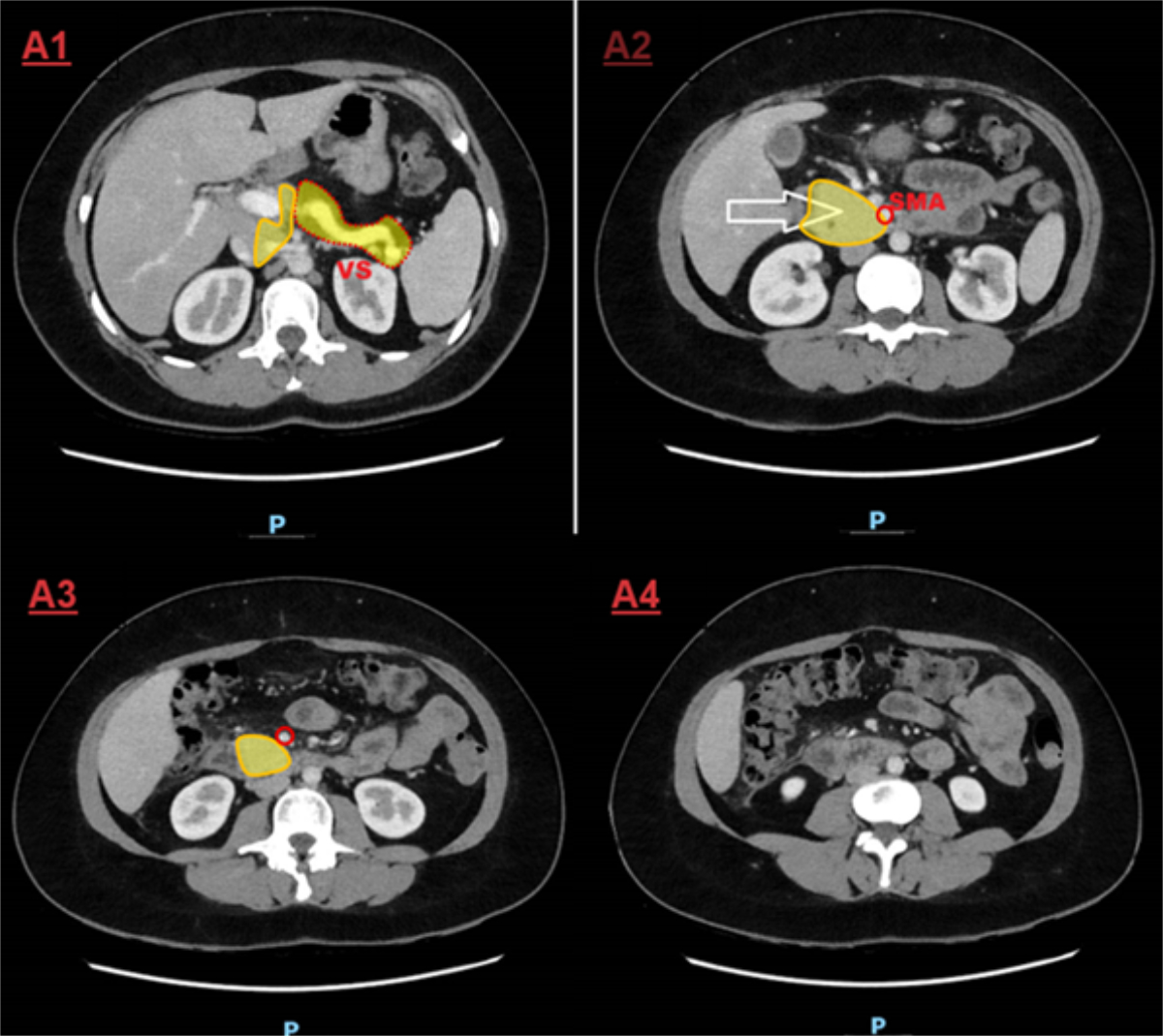
Figure 1Contrast-enhanced computed tomography
(CT) imaging of the abdomen in dorsal pancreatic agenesis. Axial views, arterial phase
(cranial to
caudal; A1-A4). Panel A1 (uppermost slice) demonstrates the preserved
pancreatic head and uncinate process (white arrow; residual ventral-bud-derived
parenchyma outlined in orange), which appear morphologically normal without
radiological signs of compensatory hypertrophy. Panels A2 and A3 (mid-level
slices) show a complete absence of pancreatic parenchyma (hashed red line)
anterior to the splenic vein (SV) and the superior mesenteric artery (SMA, red
circle), in the expected anatomical location of the dorsal pancreatic body and
tail. Panel A4 (most caudal slice) confirms the absence of pancreatic tissue
extending toward the splenic hilum, with no ectopic, migratory, or accessory
pancreatic tissue identified.
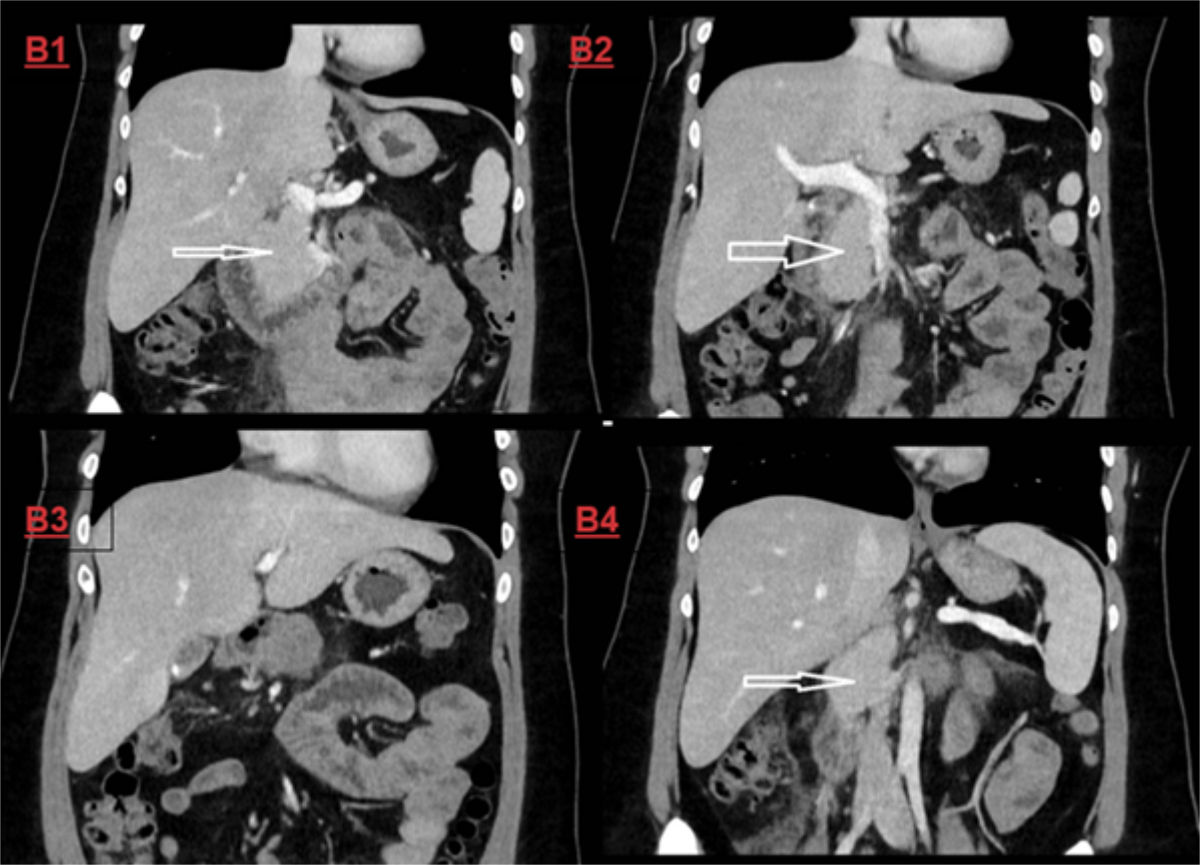
Figure 2Contrast-enhanced computed tomography
(CT) imaging of the abdomen in dorsal pancreatic agenesis. Coronal views, arterial phase (B1-B4).
White arrowheads/arrows indicate the pancreatic head (ventral bud derivative),
which represents the only residual pancreatic parenchyma. No body or tail
structures are visualised; the splenic hilum abuts the stomach without
intervening pancreatic tissue. No associated congenital vascular anomalies
(e.g. preduodenal portal vein, splenic vein variants) or polysplenia/heterotaxy
features are identified, consistent with isolated dorsal pancreatic agenesis.
Diagnostic challenges
A potential diagnostic challenge is
distinguishing true dorsal agenesis from pancreatic atrophy or fatty
replacement; however, the absence of dorsal parenchyma, along with preserved
anatomy and the lack of prior pancreatic disease, supported a congenital origin
in this case.
Differential diagnosis
Differential diagnoses included pancreatic
lipomatosis, chronic pancreatitis-related atrophy, and pancreatic divisum;
these were considered unlikely due to the complete absence of dorsal structures
and the absence of prior pancreatic pathology.
Final diagnosis
Complete dorsal pancreatic agenesis with
acute biliary pancreatitis.
Prognosis
The long-term prognosis in dorsal pancreatic agenesis is primarily
determined by endocrine function. Given the reduced beta-cell mass, this patient
may have an increased risk of progression to type 2 diabetes mellitus compared
with that of the general population of women with gestational diabetes mellitus. Therefore,
long-term
metabolic follow-up and counselling regarding future pregnancies are warranted.
Management
The patient received intravenous fluids and
analgesia. Due to suspected transient choledocholithiasis and gallbladder
microlithiasis, she underwent laparoscopic cholecystectomy after the normalisation
of her hepatic tests. Postoperatively, her pain resolved, and her liver enzymes
normalised. She was discharged with outpatient follow-up.
Follow-up and outcomes
At follow-up, the patient remained
asymptomatic, with normal liver function tests, no evidence of recurrent
pancreatitis, and no clinical or biochemical evidence of hyperglycaemia.
Long-term glycaemic monitoring was recommended given the reduced pancreatic
endocrine reserve.
No adverse or unanticipated events were
observed during hospitalisation or at follow-up.
Discussion
In this patient, complete agenesis of the
pancreatic body and tail was identified during the evaluation of acute biliary
pancreatitis. Although pancreatitis is a recognised manifestation of dorsal pancreatic
agenesis, most
published cases describe idiopathic or recurrent forms without a clear
precipitant [1, 3, 6, 12]. In contrast, the present case was associated with gallstone
disease. The reduced ductal and parenchymal reserve inherent to dorsal pancreatic
agenesis may
predispose patients to more severe inflammation in response to even brief
episodes of transient choledocholithiasis.
Understanding the metabolic phenotype of
this case requires revisiting normal pancreatic embryology. The dorsal bud
forms the superior pancreatic head, body, and tail and contains the majority of
the islet cell population [15]. Therefore, the complete absence of the dorsal
pancreas represents a substantial lifelong reduction in beta-cell mass. Many
patients with dorsal pancreatic agenesis exhibit impaired glucose tolerance or overt
diabetes [2, 4, 6–9],
and severe presentations, including ketoacidosis, have been described, though these
are uncommon [9, 10].
Pregnancy represents a profound insulin-resistant
state driven by placental hormones. In this patient, recurrent gestational diabetes
mellitus likely
reflects, at least in part, the pregnancy-induced unmasking of a previously
compensated beta-cell deficiency. Although a direct causal relationship cannot be
established from a single observation, this case raises the possibility that
recurrent gestational diabetes mellitus could serve as an early clinical manifestation
of reduced
endocrine reserve in individuals with dorsal pancreatic agenesis. Such an association
has been described
only rarely in the literature, including in a previous report of gestational
diabetes in a woman with dorsal pancreatic agenesis [18]. The observed
metabolic phenotype likely reflects an interaction between reduced beta-cell
reserve due to dorsal pancreatic agenesis and coexisting insulin resistance related
to obesity, rather
than a direct causal relationship.
Although this case represents isolated dorsal pancreatic agenesis,
congenital anomalies such as polysplenia, heterotaxy, and a preduodenal portal
vein have been described [13]. Several rare associations with genetic and
syndromic conditions, including mutations in PTF1A and GATA6 [16, 17], have been
reported. Genetic testing was not pursued in this case, as the patient had no
phenotypic features suggestive of a syndromic disorder.
Dorsal pancreatic agenesis has been associated with
pancreatic ductal adenocarcinoma, neuroendocrine tumours, and chronic calcific
pancreatitis [11, 12]. Although rare, these associations highlight the need for
increased clinical awareness when evaluating patients with dorsal pancreatic agenesis
who present with
new symptoms.
Compensatory hypertrophy of the residual
ventral pancreas has been hypothesised as a potential adaptive mechanism in dorsal
pancreatic agenesis
[4,11]. In the present case, CT imaging showed no radiological evidence of
enlargement of the pancreatic head, which appeared morphologically normal.
Whether the absence of compensatory hypertrophy contributes to the endocrine
insufficiency observed in some patients with dorsal pancreatic agenesis, or whether
such hypertrophy
occurs subclinically and is insufficient to fully compensate for the loss of
dorsal islet mass, remains an open question that warrants investigation in
larger series.
The clinical relevance of this case lies
not in establishing a novel association but in highlighting how physiological
stressors such as pregnancy may reveal subclinical endocrine insufficiency in
congenital pancreatic anomalies.
This report has several strengths,
including detailed imaging confirming complete dorsal pancreatic agenesis and a
well-documented clinical course linking the diagnosis to a common clinical
presentation. However, several limitations must be acknowledged. As a single
case report, causality between dorsal pancreatic agenesis and recurrent gestational
diabetes mellitus cannot be established, and
the findings may not be generalisable. In addition, long-term metabolic
outcomes remain unknown. Importantly, coexisting obesity represents an
independent confounder of gestational diabetes mellitus, and the absence of pre-pregnancy
metabolic data
(including baseline BMI and glucose tolerance) limits the interpretation of the
metabolic phenotype attributed to dorsal pancreatic agenesis. In addition, detailed
information
regarding the management of gestational diabetes during the 2025 pregnancy,
including the potential use of insulin therapy, was not fully available, which
limits further characterisation of the metabolic phenotype. No genetic analysis
was performed, precluding the assessment of monogenic causes of pancreatic
agenesis.
Clinical and educational implications
This case highlights several practical
lessons. First, dorsal pancreatic agenesis should be considered when the
pancreatic body and tail are absent on imaging, and it must be distinguished
from more common mimics such as atrophy or lipomatosis. Second, pregnancy may
act as a physiological stress test of pancreatic endocrine reserve. In this
setting, recurrent or atypical gestational diabetes may prompt consideration of
an underlying structural pancreatic abnormality. Third, pancreatitis in dorsal pancreatic
agenesis is not necessarily idiopathic and may be triggered by common
conditions such as biliary disease. Finally, evaluation should address both
endocrine and exocrine pancreatic function, and affected patients may benefit
from long-term metabolic follow-up.
Conclusion
Although a causal link cannot be
established from a single case, this report illustrates that recurrent
gestational diabetes might signal an underlying reduction in pancreatic
endocrine reserve due to dorsal pancreatic agenesis. Acute biliary pancreatitis
may bring this otherwise silent anomaly to light. Given the potential metabolic
consequences, awareness of dorsal pancreatic agenesis is particularly relevant to
the care of women of
reproductive age.
Patient perspective
The patient expressed reassurance after
understanding the benign nature of the anatomical finding but reported concern
regarding the risk of future diabetes. Follow-up was arranged.
Acknowledgments
Written informed consent was obtained from the patient for the publication of the
case report and the accompanying images.
Layal Barjoud, MD
Faculty of Biomedical Sciences
Università della Svizzera Italiana
Via Buffi 13
CH-6900 Lugano
Layal.Barjoud[at]usi.ch
References
1. Shubhankar G, Panwar V. Incidentally detected dorsal pancreatic agenesis: hidden clinical
implications. Abdom Radiol (NY). 2026 Apr;51(4):1792–6. 10.1007/s00261-025-05167-5
2. Mei W, Cao F, Li F. Two cases of agenesis of the dorsal pancreas and a review of the
literature. BMC Gastroenterol. 2020 Apr;20(1):94. 10.1186/s12876-020-01245-8
3. Xia LZ, Bu XF, Jiang PC, Yu F, Zhang YJ, Meng NN. Agenesis of the dorsal pancreas
with chronic suppurative pancreatitis: case report and literature review. Medicine
(Baltimore). 2021 Dec;100(49):e28137. 10.1097/MD.0000000000028137
4. Schnedl WJ, Piswanger-Soelkner C, Wallner SJ, Reittner P, Krause R, Lipp RW, et al. Agenesis
of the dorsal pancreas and associated diseases. Dig Dis Sci. 2009 Mar;54(3):481–7.
10.1007/s10620-008-0370-3
5. Pasaoglu L, Vural M, Hatipoglu HG, Tereklioglu G, Koparal S. Agenesis of the dorsal
pancreas. World J Gastroenterol. 2008 May;14(18):2915–6. 10.3748/wjg.14.2915
6. Cienfuegos JA, Rotellar F, Salguero J, Benito A, Solórzano JL, Sangro B. Agenesis
of the dorsal pancreas: systematic review of a clinical challenge. Rev Esp Enferm
Dig. 2016 Aug;108(8):479–84. 10.17235/reed.2016.4474/2016
7. Liang K, Ou X, Huang X, Lan Q. Agenesis of the dorsal pancreas: a rare cause of insulin-dependent
diabetes without abdominal pain: Case report. Medicine (Baltimore). 2018 Mar;97(9):e0046.
10.1097/MD.0000000000010046
8. Yang T, Yang X, Wang L, Mo J. Agenesis of the dorsal pancreas presenting with diabetic
ketoacidosis - a case report and literature review. BMC Endocr Disord. 2019 Nov;19(1):120.
10.1186/s12902-019-0449-1
9. Denson AM, Rodriguez KE, Letourneau-Freiberg LR, Kandasamy B, Naylor RN, Abdullatif HD,
et al. Children With Pancreatic Hypoplasia Experience Poor Weight Gain and Labile
Diabetes but Low Incidence of DKA [Erratum in: J Clin Endocrinol Metab. 2026 Mar 17;111]
[4] [:e1216-e1221. doi: 10.1210/clinem/dgag013. PMID: 41006196; PMCID: PMC13017217].
J Clin Endocrinol Metab. 2026 Mar;111(4):e1164–73. 10.1210/clinem/dgaf473 10.1210/clinem/dgaf473
10. Oldenburg B, van Leeuwen MS, van Berge Henegouwen GP, Koningsberger JC. Pancreatitis
and agenesis of the dorsal pancreas. Eur J Gastroenterol Hepatol. 1998 Oct;10(10):887–9.
10.1097/00042737-199810000-00013
11. Sakpal SV, Sexcius L, Babel N, Chamberlain RS. Agenesis of the dorsal pancreas and
its association with pancreatic tumors. Pancreas. 2009 May;38(4):367–73. 10.1097/MPA.0b013e318196c401
12. Rittenhouse DW, Kennedy EP, Mascaro AA, Brumbaugh JL, Stein LH, Rosenberger LH, et
al. The novel triad of dorsal agenesis of the pancreas with concurrent pancreatic
ductal adenocarcinoma and nonalcoholic chronic calcific pancreatitis: a case series
and review of the literature. J Gastrointest Surg. 2011 Sep;15(9):1643–9. 10.1007/s11605-011-1542-6
13. Low JP, Williams D, Chaganti JR. Polysplenia syndrome with agenesis of the dorsal
pancreas and preduodenal portal vein presenting with obstructive jaundice—a case report
and literature review. Br J Radiol. 2011 Nov;84(1007):e217–20. 10.1259/bjr/27680217
14. Zhong JW, Yu LM, Ying QJ, Peng WW, Xu CZ, Cai ZZ, et al. Performance of endoscopic
ultrasound for diagnosis of agenesis of the dorsal pancreas: a case report. J Int
Med Res. 2020 May;48(5):300060519884148. 10.1177/0300060519884148
15. Mehta V, Hopson PE, Smadi Y, Patel SB, Horvath K, Mehta DI. Development of the human
pancreas and its exocrine function. Front Pediatr. 2022 Sep;10:909648. 10.3389/fped.2022.909648
16. Allen HL, Flanagan SE, Shaw-Smith C, De Franco E, Akerman I, Caswell R, et al.; International
Pancreatic Agenesis Consortium. GATA6 haploinsufficiency causes pancreatic agenesis
in humans. Nat Genet. 2011 Dec;44(1):20–2. 10.1038/ng.1035
17. Weedon MN, Cebola I, Patch AM, Flanagan SE, De Franco E, Caswell R, et al.; International
Pancreatic Agenesis Consortium. Recessive mutations in a distal PTF1A enhancer cause
isolated pancreatic agenesis. Nat Genet. 2014 Jan;46(1):61–4. 10.1038/ng.2826
18. Wildling R, Schnedl WJ, Reisinger EC, Schreiber F, Lipp RW, Lederer A, et al. Agenesis
of the dorsal pancreas in a woman with diabetes mellitus and in both of her sons.
Gastroenterology. 1993 Apr;104(4):1182–6. 10.1016/0016-5085(93)90290-s doi: https://doi.org/10.1016/0016-5085(93)90290-S