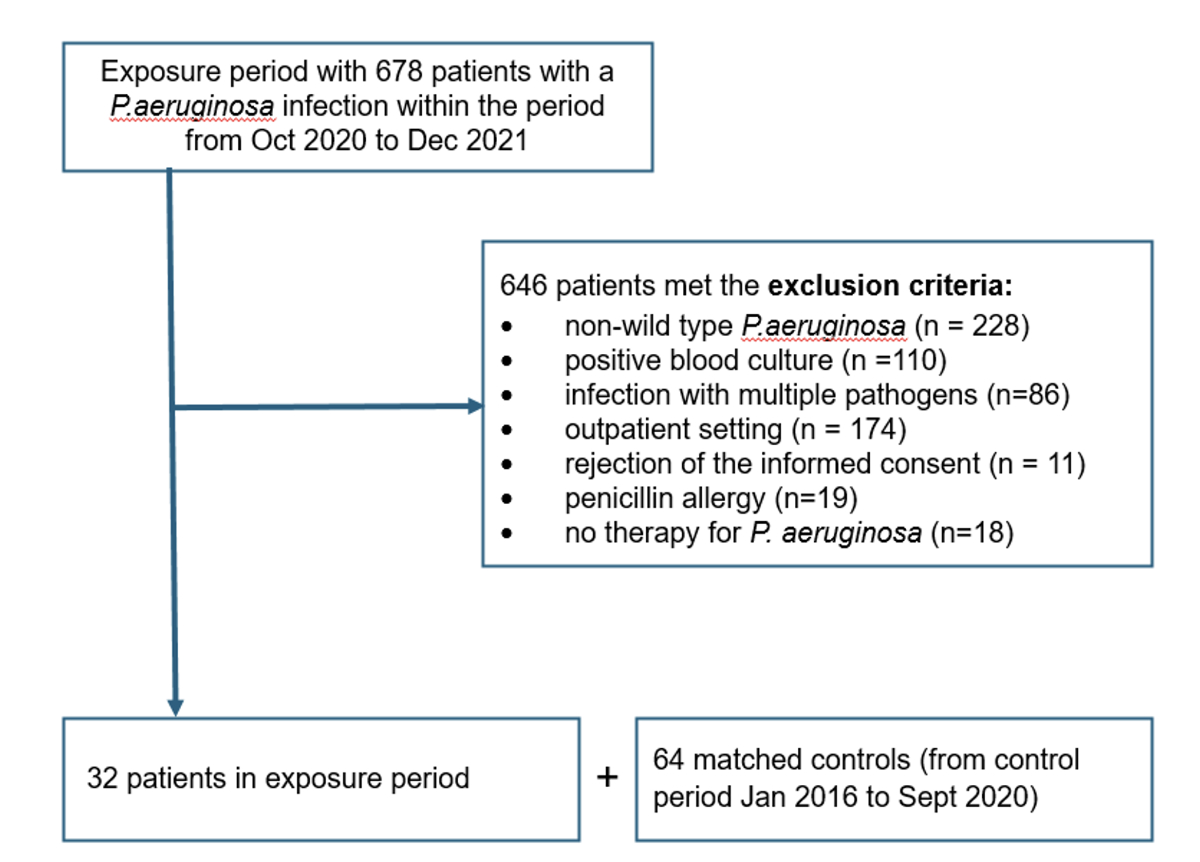
Figure 1 Flowchart of the study selection process.
DOI: https://doi.org/https://doi.org/10.57187/5198
In January 2019, the European Committee on Antimicrobial Susceptibility Testing (EUCAST) redefined the categories classifying the clinical effectiveness of antibiotics. The abbreviation “I” was previously used to define an intermediate category referring to an area of uncertainty in terms of clinical effectiveness, thus commonly interpreted as “resistant” for treatment decisions: the revised classification scheme now uses the abbreviation “I” to define the category “susceptible, increased exposure” indicating clinical effectiveness of the corresponding compound given adjusted dosing [1]. In addition, based on the revision of breakpoints for key antimicrobials, EUCAST reclassified wild-type Pseudomonas aeruginosa isolates (i.e. isolates with no acquired resistance mechanisms) from “S” (susceptible at standard dose) to “I” (susceptible at increased exposure) [2] for cefepime, ceftazidime and piperacillin-tazobactam. It has previously been shown that susceptibility reporting rules may significantly influence prescribing behaviour, with antibiotics presented on laboratory susceptibility reports more likely to be prescribed both empirically and for directed therapy [3–5]. Therefore, without comprehensive communication of the revised EUCAST definitions of susceptibility testing categories on the use of antibiotics for P. aeruginosa infections, there is a risk that uninformed healthcare providers may opt for prescribing meropenem or other carbapenems, given its classification as “S” among the limited beta-lactam options, leading to an increase in meropenem consumption and thus promotion of carbapenem resistance.
In October 2020, at University Hospital Basel, the Division of Clinical Microbiology and the Division of Infectious Diseases, in close collaboration, adapted their interpretation categories and advised physicians to prescribe antibiotic therapies according to the new EUCAST recommendations, favouring beta-lactams other than carbapenems if categorised as “I”. We hypothesised that despite these efforts, carbapenem use may have increased and thus aimed to estimate the effect of the 2019 EUCAST modifications on the likelihood of carbapenem prescription to treat infections caused by wild-type P. aeruginosa at our institution.
This study was performed at University Hospital Basel, Switzerland, a tertiary academic care centre admitting >40,000 patients annually.
We performed a retrospective, matched cohort study. Adult inpatients hospitalised between January 2016 and December 2021 with a urinary tract or respiratory tract infection caused by wild-type P. aeruginosa were eligible for study inclusion. Patients hospitalised between October 2020 and December 2021 (exposure period after introduction of the revised EUCAST classification at our institution) were matched 1:2 by ward and sample type to patients hospitalised between January 2016 and September 2020 (control period before introduction of the revised EUCAST classification). A longer control period was chosen to enable 1:2 matching by ward and sample type. Exclusion criteria were as follows: age below 18 years; P. aeruginosa infection with acquired resistance mechanisms (non-wild-type); polymicrobial infection; positive blood culture; documented allergy to beta-lactam antibiotics; patient’s documented refusal of subsequent use of their data.
Pertinent clinical data was collected from electronic patient records (clinic information systems Meona®, v92.566x64_c7, and IsMed®, v21.02b) including demographic data, weight, height, renal function (creatinine, creatine clearance and glomerular filtration rate as estimated using the CKD-EPI equation) [6] and comorbidities to calculate the Charlson Comorbidity Index (CCI). Further, information on antimicrobial therapy – such as choice of agent, dosage, treatment duration and any changes of treatment – was assessed. Information on sample type (respiratory or urinary), microbiology results (wild-type P. aeruginosa) and consultation with an infectious disease specialist was collected.
All data was entered into an electronic clinical report form using the REDCap® platform (Research Electronic Data Capture, Vanderbilt University, Nashville, TN, USA) [7].
The primary outcome was empirical or targeted meropenem treatment for patients with wild-type P. aeruginosa urinary and respiratory tract infections as compared to other beta-lactam treatments. Antimicrobial treatment was classified as empirical or targeted according to whether the prescription preceded or followed receipt of susceptibility testing results. The secondary outcome was the frequency of infectious disease consultations.
Categorical and numeric variables were compared between the matched control and exposure period using standardised differences (Stata package STDDIFF; version dated 12/2022); rank-based comparisons were used for numeric variables. Absolute standardised differences of ≥0.10 were considered to be imbalanced [8]. Crude and adjusted relationships between the study periods and the administration of meropenem were estimated using conditional logistic regression. Models were fitted separately for the first antibiotic treatment and for the first three antibiotic treatments including treatment changes. To avoid overadjustment bias given the matched data structure, the multivariable selection strategy was guided by a directed acyclic graph with 56 potential causal paths (http://dagitty.net/; release 2019-01-09). Adjustments were made for patient’s age, sex, Charlson Comorbidity Index, glomerular filtration rate, medical/surgical wards and empirical/targeted therapies. All models were based on complete cases. All analyses were performed on a multicore system with Stata/MP version 16 (Stata Corp., College Station, TX, USA). Reported p-values are two-sided.
The Nordwest- und Zentralschweiz Ethics Committee (EKNZ) considered the study to be a quality assurance project (Project-ID Req-2022-00460).
After implementation of the revised EUCAST definitions of susceptibility testing categories, P. aeruginosa was detected in samples collected from 678 patients. Patients with detection of non-wild-type P. aeruginosa (n = 228), detection of P. aeruginosa in blood culture (n = 110) and polymicrobial infections (n = 86) were excluded. Other exclusion criteria were met by 222 patients, as further detailed in figure 1, resulting in 32 patients during the case period.
Figure 1 Flowchart of the study selection process.
After applying the same inclusion and exclusion criteria, 64 patients in the control period were matched to patients of the exposure period. Patients in the exposure and control period were imbalanced regarding age, Charlson Comorbidity Index, renal function, treatment, ward type and infectious disease consultations (table 1).
Table 1Patient characteristics.
| Variable | Control period (n = 64) | Exposure period (n = 32) | Total (n = 96) | Missing | Standardised difference | |
| n (%) or median (IQR) | n (%) or median (IQR) | n (%) or median (IQR) | n (%) | |||
| Age | 72.5 (60.0–80.8) | 76.0 (65.0–86.8) | 74.5 (62.3–82.8) | 0/96 (0%) | –0.286 | |
| Sex | 0/96 (0%) | 0.067 | ||||
| Male | 42(65.6%) | 22(68.8%) | 64(66.7%) | |||
| Female | 22(34.4%) | 10(31.3%) | 32(33.3%) | |||
| Charlson Comorbidity Index | 5.0 (3.0–6.0) | 5.0 (3.3–7.0) | 5.0 (3.0–7.0) | 0/96 (0%) | –0.230 | |
| GFR | 64.0 (39.0–98.5) | 53.5 (33.5–91.3) | 61.5 (38.0–93.5) | 0/96 (0%) | 0.206 | |
| Ward (matched) | 0/96 (0%) | 0 | ||||
| ICU | 4 (6.3%) | 2 (6.3%) | 6 (6.3%) | |||
| Normal ward | 60 (93.8%) | 30 (93.8%) | 90 (93.8%) | |||
| Sample (matched) | 0/96 (0%) | 0 | ||||
| Bronchial secretion | 4 (6.3%) | 2 (6.3%) | 6 (6.3%) | |||
| BAL | 4 (6.3%) | 2 (6.3%) | 6 (6.3%) | |||
| Sputum | 8 (12.5%) | 4 (12.5%) | 12 (12.5%) | |||
| Tracheal secretion | 2 (3.1%) | 1 (3.1%) | 3 (3.1%) | |||
| Urine | 46 (71.9%) | 23 (71.9%) | 69 (71.9%) | |||
| Therapy (first antibiotic) | 0/96 (0%) | 0.095 | ||||
| Empirical | 25 (39.1%) | 14 (43.8%) | 39 (40.6%) | |||
| Targeted | 39 (60.9%) | 18 (56.3%) | 57 (59.4%) | |||
| Active compound (first antibiotic) | 0/96 (0%) | 0.731 | ||||
| Piperacillin-tazobactam | 31 (48.4%) | 15 (46.9%) | 46 (47.9%) | |||
| Ceftazidime | 1 (1.6%) | 1 (3.1%) | 2 (2.1%) | |||
| Cefepime | 2 (3.1%) | 0 (0.0%) | 2 (2.1%) | |||
| Meropenem | 2 (3.1%) | 5 (15.6%) | 7 (7.3%) | |||
| Ciprofloxacin | 5 (7.8%) | 1 (3.1%) | 6 (6.3%) | |||
| Ceftriaxone | 19 (29.7%) | 5 (15.6%) | 24 (25.0%) | |||
| Amoxicillin-clavulanic acid | 4 (6.3%) | 4 (12.5%) | 8 (8.3%) | |||
| Cotrimoxazole | 0 (0.0%) | 1 (3.1%) | 1 (1.0%) | |||
| Prescriber (first antibiotic) | 0/96 (0%) | 0.107 | ||||
| Medical ward | 49 (76.6%) | 23 (71.9%) | 72 (75.0%) | |||
| Surgical ward | 15 (23.4%) | 9 (28.1%) | 24 (25.0%) | |||
| ID consultation? | n = 62 | n = 31 | 3/96 (3.1%) | 0.476 | ||
| No | 54 (87.1%) | 21 (67.7%) | 75 (80.6%) | |||
| Yes | 8 (12.9%) | 10 (32.3%) | 18 (19.4%) | |||
BAL: bronchoalveolar lavage; GFR: glomerular filtration rate; ICU: intensive care unit; ID: infectious disease; IQR: interquartile range; NA: not applicable.
After the implementation of the new EUCAST criteria, meropenem prescriptions increased from 3.1% (2/64) to 15.6% (5/32). In the multivariable analyses, we observed increased odds for receiving meropenem in the exposure period as first treatment (adjusted OR: 5.22; 95% confidence interval: 0.87–31.41), although not statistically significant, and as first treatment or treatment change (adjusted OR: 11.10; 95% confidence interval: 2.94–41.85) (table 2). The proportion of patients with infectious disease consultations was higher during the exposure period (32.3% [10/31] vs 12.9% [8/62]).
Table 2Association of study periods with administration of meropenem.
| Period | OR | 95% CI | p-value | Number of patients/observations | |
| Univariable model (first antibiotic treatment) | Control | 1.00 (reference) | 0.054 | 96/96 | |
| Exposure | 5.00 | 0. 97−25.77 | |||
| Adjusted modela (first antibiotic treatment) | Control | 1.00 (reference) | 0.071 | 96/96 | |
| Exposure | 5.22 | 0.87–31.41 | |||
| Univariable model (first antibiotic treatment and treatment changes) | Control | 1.00 (reference) | 0.010 | 96/160c | |
| Exposure | 7.99 | 1.65–38.74b | |||
| Adjusted modela (first antibiotic treatment and treatment changes) | Control | 1.00 (reference) | <0.001 | 96/153d | |
| Exposure | 11.10 | 2.94–41.85b | |||
CI: confidence interval; OR: odds ratio.
a Adjusted for patient age (linear increments), sex, Charlson Comorbidity index (linear increments), glomerular filtration rate (linear increments), medical/surgical ward and empirical/targeted therapy.
b Based on robust standard errors.
c Antibiotic treatments 1 + 2 + 3 (96 + 53 + 11 observations).
d Missing data on therapy status in 7 of 160 observations.
This matched cohort study revealed a trend towards an increase in meropenem prescriptions for managing P. aeruginosa infections after the revised 2019 EUCAST criteria were implemented at our hospital in 2020. The findings support concerns raised by experts that the new criteria may influence meropenem prescribing practice for P. aeruginosa infections [9, 10]. We also observed a slight increase in the number of infectious disease consultations, possibly pointing to challenges regarding treatment choices based on susceptibility testing results. We acknowledge that the exposure period (after introduction of the revised EUCAST classification at our institution) was during the COVID-19 pandemic, which may have contributed to an increased use of antibiotics, particularly broad-spectrum ones [11].
The use of multiple communication channels (e.g. email, intranet, meetings), focused education (e.g. e-learnings, training), technological integration (e.g. clinical decision support tools) and ongoing support from infectious disease specialists or an antimicrobial stewardship team [12] is proposed to facilitate the implementation of new guidelines and to change long-term prescribing behavior. Pharmacist-driven programmes have been established to optimise antibiotic therapy and to guide clinicians in improving antibiotic therapy and reducing expenditure [13, 14]. More recently, machine learning algorithms have been shown to potentially reduce the inappropriate use of broad-spectrum antibiotics [15]. Specifically, patients are screened for inappropriate use of meropenem early and proactively with electronic decision support systems to optimise therapy whenever possible. Also, selective reporting of laboratory testing only to infectious disease specialists might optimise antibiotic therapy [16]. At our hospital, a newsletter with background information and recommendations was sent to every healthcare professional to raise awareness of the EUCAST revisions. In addition, microbiology laboratory reports included a note to draw attention to the changes and a very low threshold was used for referrals for infectious disease consultations.
Our findings are reinforced by other reports pointing to an increase in meropenem prescription after the EUCAST revision [17].
Our study has important limitations. Generalisation of the findings may not be possible due to the monocentric study design, the small sample size and the relatively short exposure phase (after introduction of the revised EUCAST classification). The tertiary-care setting cannot be compared directly to small hospitals without pharmacological and infectious disease specialists on-site. The short study period limited the number of patients with meropenem prescriptions. Meropenem was prescribed to seven patients ‒ a sample too small to draw robust conclusions –, thus limiting the significance of our findings. The study period included the COVID-19 pandemic, which may have contributed to an increased use of antibiotics, particularly broad-spectrum ones [11], possibly additionally challenging the implementation of the revised classification system and thus the increased use of meropenem during the exposure period.
At our hospital, the implementation of the revised EUCAST criteria was associated with an increased use of meropenem in patients with P. aeruginosa infections, given the limitation of our small sample size. Although the specific factors influencing the choice of meropenem remain unclear, the observed increase suggests that the revised EUCAST criteria may not have been fully or effectively adopted in clinical practice. This highlights the need for clear and consistent communication across multiple channels. An interdisciplinary antimicrobial stewardship team may play a critical role in facilitating and sustaining the implementation of such reclassifications.
The datasets used and analysed during this study are available from the corresponding author on reasonable request.
Author contributions: DH supported data collection, interpreted the data and critically revised the manuscript. CK and EWW analysed and interpreted the data and wrote the first draft of the manuscript. FA collected the data. MW and PMK supported data collection, interpreted the data and critically revised the manuscript. JR analysed and interpreted the data and critically revised the manuscript. STS conceived, initiated and supervised the study, and critically revised the manuscript.
The study was funded in part by the University of Basel, Switzerland, and University Hospital Basel, Switzerland.
All authors have completed and submitted the International Committee of Medical Journal Editors form for disclosure of potential conflicts of interest. MW reports support for attending meetings and/or travel from Gilead. No other potential conflict of interest related to the content of this manuscript was disclosed.
1. European Committee on Antimicrobial Susceptibility (EUCAST). New definitions of S, I and R from 2019 [Internet]. 2019. Available from: https://www.eucast.org/newsiandr
2. European Committee on Antimicrobial Susceptibility (EUCAST). Breakpoint tables for interpretation of MICs and zone diameters. [Internet]. Version 10. from: https://www.eucast.org/fileadmin/src/media/PDFs/EUCAST_files/Breakpoint_tables/v_10.0_Breakpoint_Tables.pdf
3. Langford BJ, Daneman N, Diong C, Marchand-Austin A, Adomako K, Saedi A, et al. Antibiotic susceptibility reporting and association with antibiotic prescribing: a cohort study. Clin Microbiol Infect. 2021 Apr;27(4):568–75. doi: https://doi.org/10.1016/j.cmi.2020.10.001
4. McNulty CA, Lasseter GM, Charlett A, Lovering A, Howell-Jones R, Macgowan A, et al. Does laboratory antibiotic susceptibility reporting influence primary care prescribing in urinary tract infection and other infections? J Antimicrob Chemother. 2011 Jun;66(6):1396–404. doi: https://doi.org/10.1093/jac/dkr088
5. Tan TY, McNulty C, Charlett A, Nessa N, Kelly C, Beswick T. Laboratory antibiotic susceptibility reporting and antibiotic prescribing in general practice. J Antimicrob Chemother. 2003 Feb;51(2):379–84. doi: https://doi.org/10.1093/jac/dkg032
6. Inker LA, Eneanya ND, Coresh J, Tighiouart H, Wang D, Sang Y, et al.; Chronic Kidney Disease Epidemiology Collaboration. New Creatinine- and Cystatin C-Based Equations to Estimate GFR without Race. N Engl J Med. 2021 Nov;385(19):1737–49. doi: https://doi.org/10.1056/NEJMoa2102953
7. Harris PA, Taylor R, Minor BL, Elliott V, Fernandez M, O’Neal L, et al.; REDCap Consortium. The REDCap consortium: building an international community of software platform partners. J Biomed Inform. 2019 Jul;95:103208. doi: https://doi.org/10.1016/j.jbi.2019.103208
8. Austin PC. Balance diagnostics for comparing the distribution of baseline covariates between treatment groups in propensity-score matched samples. Stat Med. 2009 Nov;28(25):3083–107. doi: https://doi.org/10.1002/sim.3697
9. Kahlmeter G, Committee ES; EUCAST Steering Committee. EUCAST proposes to change the definition and usefulness of the susceptibility category ‘Intermediate’. Clin Microbiol Infect. 2017 Dec;23(12):894–5. doi: https://doi.org/10.1016/j.cmi.2017.08.015
10. Kahlmeter G, Cantón R, Giske CG, Turnidge J, Committee ES; EUCAST Steering Committee. Re: In the name of common sense: EUCAST breakpoints and potential pitfalls. National dissemination of EUCAST guidelines is a shared responsibility. Clin Microbiol Infect. 2020 Dec;26(12):1692–3. doi: https://doi.org/10.1016/j.cmi.2020.08.008
11. Lai CC, Chen SY, Ko WC, Hsueh PR. Increased antimicrobial resistance during the COVID-19 pandemic. Int J Antimicrob Agents. 2021 Apr;57(4):106324. doi: https://doi.org/10.1016/j.ijantimicag.2021.106324
12. Hwang S, Kwon KT. Core Elements for Successful Implementation of Antimicrobial Stewardship Programs. Infect Chemother. 2021 Sep;53(3):421–35. doi: https://doi.org/10.3947/ic.2021.0093
13. Cantudo-Cuenca MR, Jiménez-Morales A, Martínez-de la Plata JE. Pharmacist-led antimicrobial stewardship programme in a small hospital without infectious diseases physicians. Sci Rep. 2022 Jun;12(1):9501. doi: https://doi.org/10.1038/s41598-022-13246-6
14. Waters CD. Pharmacist-driven antimicrobial stewardship program in an institution without infectious diseases physician support. Am J Health Syst Pharm. 2015 Mar;72(6):466–8. doi: https://doi.org/10.2146/ajhp140381
15. Moran E, Robinson E, Green C, Keeling M, Collyer B. Towards personalized guidelines: using machine-learning algorithms to guide antimicrobial selection. J Antimicrob Chemother. 2020 Sep;75(9):2677–80. doi: https://doi.org/10.1093/jac/dkaa222
16. Munting A, Damas J, Viala B, Prod’hom G, Guery B, Senn L. Impact of selective reporting of antibiotic susceptibility testing results on meropenem prescriptions for the treatment of Pseudomonas aeruginosa infections after 2020 EUCAST criteria update: an observational study in a university hospital. Antimicrob Resist Infect Control. 2022 Dec;11(1):165. doi: https://doi.org/10.1186/s13756-022-01203-x
17. Munting A, Regina J, Damas J, Lhopitallier L, Kritikos A, Guery B, et al. Impact of 2020 EUCAST criteria on meropenem prescription for the treatment of Pseudomonas aeruginosa infections: an observational study in a university hospital. Clin Microbiol Infect. 2022 Apr;28(4):558–63. doi: https://doi.org/10.1016/j.cmi.2021.03.034