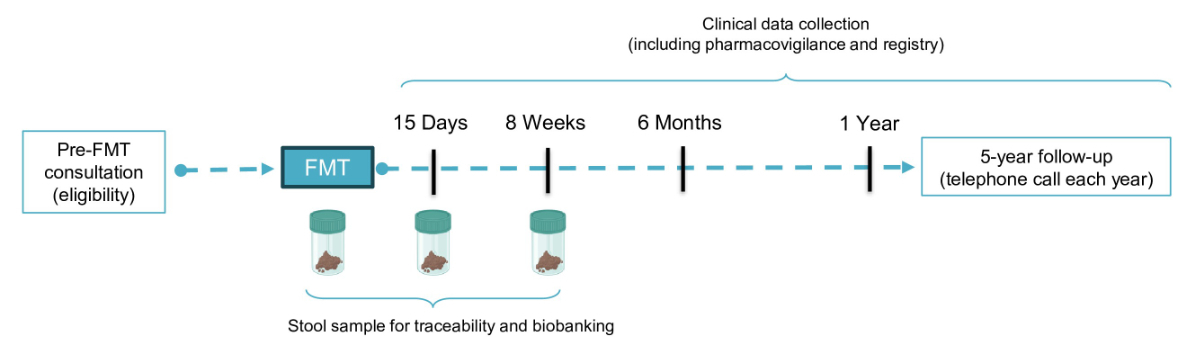
Figure 1Overview of FMT patient pathway and follow-up.
DOI: https://doi.org/https://doi.org/10.57187/5144
The treatment of Clostridioides difficile infection (CDI) remains a significant challenge due to its high recurrence rate and high 30-day and 1-year mortality [1]. In Switzerland, CDI remains a relevant issue, with a prevalence ranging from approximately 5.7 to 11.4 cases per 10,000 hospital days, depending on the diagnostic method used [2]. Since 2014, faecal microbiota transplantation (FMT) has been recommended for the treatment of CDI recurring on multiple occasions [3, 4]. Currently, no therapeutic alternative has demonstrated comparable efficacy, with FMT achieving a cure rate of nearly 90% for this indication [5, 6]. The fundamental principle of FMT involves transferring minimally processed human faeces from a healthy donor to a recipient, with the goal of modulating the recipient’s microbiome for therapeutic purposes.
Multiple guidelines exist regarding the methodological aspects of FMT, including donor selection, FMT production and recipient management. However, there is considerable heterogeneity in these recommendations. Despite these variations, FMT efficacy remains broadly comparable across different centres worldwide [5–13].
FMT safety is mainly dependent on donor selection and rigorous biological screening [6–8]. Due to the stringent eligibility criteria, only 3–10% of screened candidates qualify as microbiota donors, which poses a challenge to accessibility of treatment, despite its demonstrated therapeutic benefits [14].
FMT is classified as a medicinal product in Switzerland, and recent changes in national regulations have made marketing authorisation mandatory for its clinical use. This regulatory shift has important implications for production and implementation in clinical settings. Notably, the production of a medication of this kind represents a first for an academic institution in Switzerland [15]. At the Centre Hospitalier Universitaire Vaudois (CHUV) FMT Centre, donor selection and screening adhere to European regulatory frameworks. The European Directorate for the Quality of Medicines and HealthCare (EDQM) provides and regularly updates guidelines on substances of human origin (SoHO) in its Guide to the Quality and Safety of Tissues and Cells for Human Application [16]. Given its classification as a medicinal product, FMT requires standardisation of processes from donation to recipient administration, along with implementation of a pharmacovigilance system. The CHUV FMT Centre was granted marketing authorisation for both semi-liquid and capsule formulations of FMT in December 2024. Currently, the centre is in discussion with the Swiss Federal Office of Public Health (FOPH) to establish an official reimbursement tariff for FMT through inclusion in the national specialty list.
Since 2019, the CHUV FMT Centre has been actively working to standardise procedures at every stage of the donor-to-recipient pathway.
This cohort study set out to evaluate the efficacy and safety outcomes of FMT for the treatment of recurrent CDI at the CHUV FMT Centre.
This monocentric observational cohort study uses data from the Centre Hospitalier Universitaire Vaudois (CHUV) FMT Centre in Lausanne, Switzerland. Study data were prospectively collected from January 2021 to February 2025. The centre follows a stool bank model as defined by international consensus guidelines, ensuring standardised procedures for donor selection, treatment production and recipient management.
All consecutive adult patients (≥18 years) who received FMT for recurrent Clostridioides difficile infection (CDI) at CHUV during the study period were eligible for inclusion. This represents a complete enumeration (total enumerative sampling) of all eligible patients. Patients were required to have completed at least 8 weeks of follow-up to be included in the primary efficacy analysis. No patients were excluded for missing 8-week data, as systematic follow-up was part of routine clinical care at our centre.
All patients underwent a pre-treatment consultation to assess eligibility and indication for FMT. This consultation systematically verified: bowel transit prior to CDI onset, results of gastrointestinal endoscopy performed within the past 10 years (when available), microbiological confirmation of C. difficile, the number and dates of Clostridioides difficile infection episodes, specific antibiotic treatments administered for CDI and clinical response to anti-CDI therapy (defined as resolution of diarrhoea or return to baseline bowel habits when pre-existing gastrointestinal disorders were present).
Criteria for severe and for recurrent Clostridioides difficile infection followed ESCMID guidelines [3]. Severe immunosuppression was defined as current or foreseeable neutropenia (<500 neutrophils/µl) within the next 14 days; scheduled or recent (<100 days) allogeneic stem cell transplantation; active graft-versus-host disease (GvHD) requiring immunosuppressive treatment; or ongoing chemotherapy.
Donor selection and screening adhered to European regulatory frameworks as defined in Guide to the Quality and Safety of Tissues and Cells for Human Application by the EDQM [16]. FMT preparation followed a standardised procedure [17] with treatments frozen at –80 °C until use. Preparations were available as semi-liquid suspensions or oral capsules, produced by the CHUV Pharmacy Service under Good Manufacturing Practice conditions.
All patients received at least 10 days of pre-treatment with fidaxomicin or vancomycin prior to FMT administration. Clinical improvement during the antibiotic pre-treatment phase was confirmed before proceeding with FMT.
FMT was administered to inpatients via one of the following routes: (1) colonoscopy following bowel lavage with 2 litres of macrogol solution the previous day; (2) jejunostomy following bowel lavage; (3) enema following bowel lavage; or (4) oral ingestion of 20 capsules per day over two consecutive days (40 capsules total), without macrogol bowel preparation. In severe recurrent CDI, the capsule dosage was increased to a maximum of 40 capsules per day (60 to 80 total) in accordance with recent recommendations for severe recurrent Clostridioides difficile infection [6, 18–20]. The overall patient pathway from initial consultation to follow-up is summarised in figure 1.
Figure 1Overview of FMT patient pathway and follow-up.
Clinical data and stool samples were systematically collected from FMT recipients at standardised time points: before treatment and at 2- and 8-weeks post-treatment. Subsequent follow-ups were conducted by telephone assessments at 6 months and annually for up to 5 years post-FMT. All clinical data were prospectively collected by trained physicians (KM, AB, DB, TG) during systematic follow-up consultations. Study data were collected and managed using REDCap electronic data capture tools (version 13.1.0), hosted at CHUV [21].
Collected clinical data included: patient demographics (age and sex), immunosuppression status (categorised as severe or non-severe), characteristics of CDI episodes (including total number of episodes; classification as severe or non-severe; and treatments received) and FMT-specific parameters (such as storage duration, administration route, dosage and thawing method). All data were sourced from standardised internal patient files and the institutional electronic medical record system. All stool samples were aliquoted and biobanked at –80 °C (BIOSTOOL, BB_041).
Gastrointestinal adverse events and serious adverse events were systematically recorded in REDCap using structured case report forms and were independently reviewed by three investigators (KM, AB, TG). Gastrointestinal adverse events included constipation, diarrhoea, nausea, abdominal pain, bloating, abdominal discomfort, altered bowel habits and any other reported gastrointestinal symptoms.
The primary efficacy endpoint was clinical cure, defined as the absence of Clostridioides difficile infection recurrence within 8 weeks following FMT, as defined in the 2021 ESCMID guidelines [3].
Serious adverse events were evaluated in accordance with ICH E2A guidelines [22], which define an SAE as any untoward medical occurrence that: results in death, is life-threatening, requires inpatient hospitalisation or prolongation of existing hospitalisation, or results in persistent or significant disability/incapacity. The causal relationship between FMT and serious adverse events was systematically evaluated using the causality framework defined by the American Gastroenterological Association (AGA) [23] FMT National Registry. This assessment considers: (1) temporal relationship (onset within a plausible biological timeframe post-FMT, typically <8 weeks); (2) biological plausibility (mechanistic link to microbiota transfer or the FMT procedure itself); (3) consistency with known FMT-related risks reported in the literature; (4) alternative explanations (underlying medical conditions, concurrent medications, procedures); and (5) dechallenge/rechallenge evidence when available. Events were classified as: “related”, “probably related”, “possibly related”, “unlikely related” or “not related” to FMT. Three investigators (KM, AB, TG) independently assessed causality for all serious adverse events, with any discrepancies resolved by consensus discussion. For deaths occurring during follow-up, causality was assessed using the same framework, with particular attention to temporal proximity to FMT administration and the presence of alternative explanations.
Given the descriptive nature of this cohort study and the absence of formal hypothesis testing, a target sample size of 100 FMTs was chosen based on feasibility and representativeness of our centre’s experience. The sample was representative of the studied population with respect to sex and gender. All donors and recipients were of European ethnic origin. To reduce selection bias, all eligible patients treated within the study period were included (total enumerative sampling).
Continuous variables were summarised using medians and interquartile ranges (IQR) as appropriate, given the skewed distribution of some variables (e.g. age, duration of pre-treatment). Categorical variables were expressed as counts and percentages. Descriptive statistics were used for baseline characteristics. CDI-free survival (time from FMT to CDI recurrence or last follow-up) was analysed using Kaplan-Meier methods. Prespecified subgroup analyses of the primary efficacy endpoint (clinical cure at 8 weeks) were performed comparing: (1) severe vs non-severe CDI; and (2) immunosuppressed vs immunocompetent patients. Subgroup comparisons were performed using Fisher’s exact test. A two-sided p-value <0.05 was considered statistically significant.
All statistical analyses were performed using R version 4.3.1 (R Foundation for Statistical Computing, Vienna, Austria). The following R packages were used: survival (version 3.5-5) for Kaplan-Meier analysis and log-rank tests; ggplot2 (version 3.4.2) for data visualisation; and dplyr (version 1.1.2) for data manipulation. Data management was conducted using REDcap version 13.1.0. Given the straightforward nature of the descriptive and survival analyses performed, no custom analytical code beyond standard R package functions was developed.
Missing data were not imputed. Patients without complete 8-week follow-up data were excluded from the primary efficacy analysis; however, as noted above, no patients met this exclusion criterion. Missing follow-up data at 6 months and 1 year were reported descriptively but did not lead to exclusion from the study, as the primary endpoint was assessed at 8 weeks. Recall and information biases were minimised by using structured data collection via REDCap.
No formal study protocol was published prior to data collection, as this represents a real-world clinical practice evaluation using routinely collected data from our standardised FMT programme. All procedures followed established institutional protocols that had been in place since programme inception.
Ethical approval for this study was obtained from the Canton of Vaud Ethics Committee (ID: CER-VD 2025-00075). Written informed consent was obtained for anonymised patient information to be published in this article. The STROBE cohort checklist was used to guide the reporting of this study [24].
A total of 100 FMTs were administered to 88 distinct patients. Table 1 summarises the demographic and clinical characteristics of the study population, and the characteristics of the FMT procedures they underwent.
Table 1Characteristics of the study population and faecal microbiota transplantation procedures.
| Characteristics | n = 100* | |
| Age | 69 (53–79) | |
| Sex | Male | 35 (35%) |
| Female | 65 (65%) | |
| Number of CDI episodes | 3 (2–3) | |
| Severe last CDI episode | 33 (33%) | |
| Immunosuppression | 37 (37%) | |
| Severe immunosuppression | 5 (5%) | |
| Treatment of last episode | Vancomycin | 71 (71%) |
| Fidaxomicin | 29 (29%) | |
| Pre-treatment duration | 0 to 15 days | 47 (47%) |
| 15 days to 1 month | 24 (24%) | |
| 1 to 2 months | 21 (21%) | |
| >2 months | 8 (8%) | |
| FMT storage duration in days | 357 (210–658) | |
| Route of administration | Capsules | 58 (58%) |
| Colonoscopy | 36 (36%) | |
| Enema | 3 (3%) | |
| Jejunostomy | 3 (3%) | |
| Capsule dosage (number) | 40 (40–40) | |
| Liquid dosage (ml) | 250 (250–270) | |
CDI: Clostridioides difficile infection; FMT: faecal microbiota transplantation.
* Median (IQR) or n (%).
The cure rate was 93% (82/88) after a single FMT, 98% (86/88) after 2 FMTs and all patients were cured after 3 treatments. An overview of patients’ response to treatment is provided in figure 2.
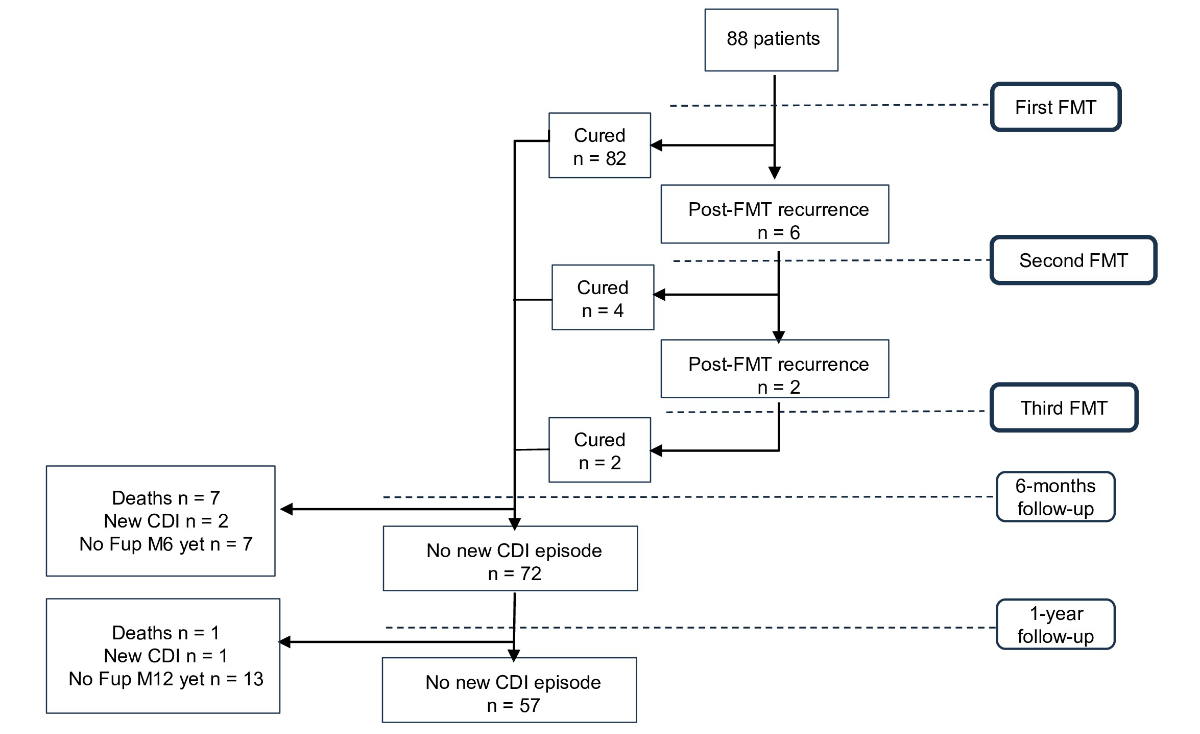
Figure 2Overview of patients’ response to treatment.
Only two patients experienced new Clostridioides difficile infection episodes beyond week 8 post-FMT. CDI-free survival is summarised in figure 3. Prespecified subgroup analyses of clinical cure at 8 weeks showed consistent efficacy across patient populations. In patients with severe CDI, the cure rate was 97% (29/30) compared to 88% (51/58) in non-severe CDI (p = 0.26). Among immunosuppressed patients, the cure rate was 91% (29/32) compared to 91% (51/56) in non-immunosuppressed patients (p = 1.0). Neither comparison reached statistical significance. Follow-up data were not yet completed for 7 patients (8%) at 6 months and for a total of 20 patients (22%) at 1 year. Missing follow-up data at 6 months and 1 year did not lead to exclusion from the study and were not replaced by substitute values.
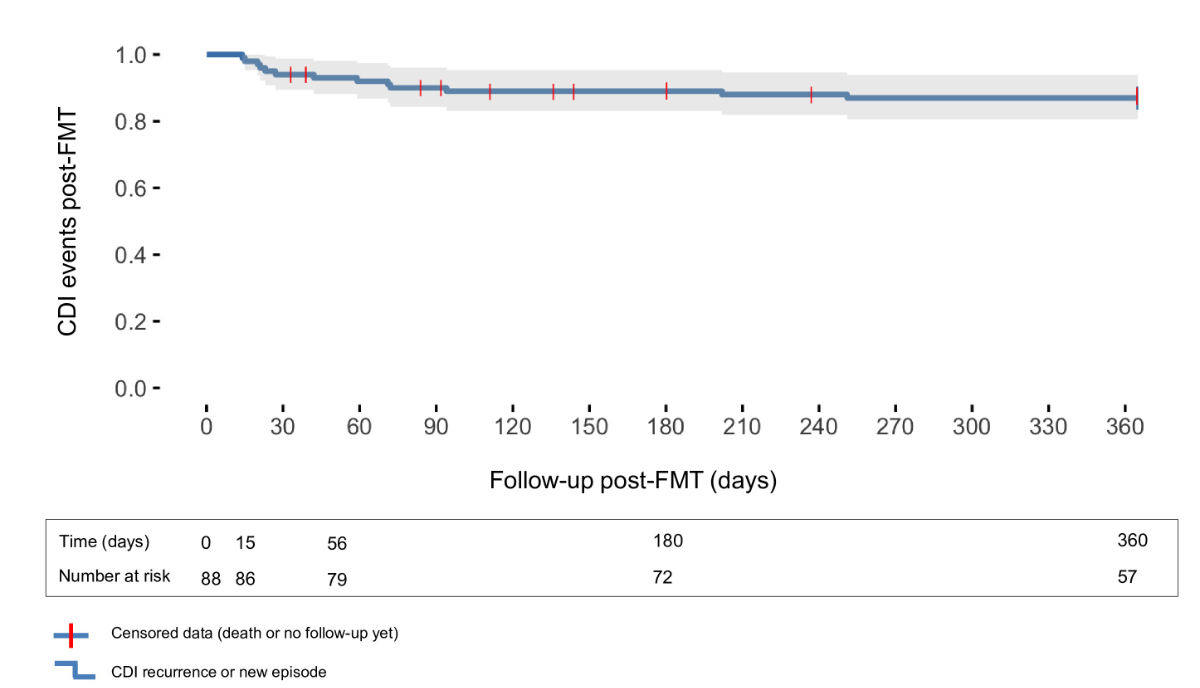
Figure 1Kaplan-Meier curve of Clostridioides difficile infection event-free survival in patients post-FMT. CDI-free survival is defined as survival without a relapse (<8 weeks post-FMT) or new Clostridioides difficile infection (>8 weeks post-FMT) within 1 year after FMT.
The prevalence and characteristics of adverse events and serious adverse events are detailed in table 2. Among the 24 recorded serious adverse events, the most frequent were infectious complications, including bacteraemia of multiple origins, soft tissue infections and pneumonia. Several of these occurred in immunosuppressed patients. Other serious adverse events included gastrointestinal bleeding, acute cardiovascular events, acute renal and urinary disorders, and complications related to underlying malignancies or chemotherapy. A few isolated neurological, orthopaedic and psychiatric events were also reported. Importantly, none of the serious adverse events (including all infectious events) were attributed to FMT or associated procedures. Between 8 weeks and 6 months post-FMT, 7 participants died, and one additional death occurred between 6 months and 1 year. Reported causes of death included respiratory failure secondary to acute heart failure, haemorrhagic shock due to cecal arterial bleeding with recurrent CDI, progression of advanced malignancies, mixed hypovolaemic and septic shock, gastrointestinal bleeding in the context of acute graft-versus-host disease (GvHD) flare, and two unexplained deaths occurring at home. Importantly, none of the reported deaths were considered related to FMT, based on the absence of both temporal proximity and a plausible causal association.
Table 2Gastrointestinal adverse events and serious adverse events at 15 days and 8 weeks after faecal microbiota transplantation. Comparison of recipients based on immunosuppression status.
| Total (n = 100)* | Immunosuppression (n = 37)* | No immunosuppression (n = 63)* | p-value** | |
| GI AE (Day 15) | 68 (68%) | 23 (62%) | 45 (71%) | 0.3 |
| ... Constipation | 14 (14%) | 4 (11%) | 10 (16%) | 0.5 |
| ... Diarrhoea | 10 (10%) | 6 (16%) | 4 (6.3%) | 0.2 |
| ... Nausea | 9 (9%) | 4 (11%) | 5 (7.9%) | 0.7 |
| ... Abdominal pain | 30 (30%) | 10 (27%) | 20 (32%) | 0.6 |
| ... Bloating | 14 (14%) | 3 (8.1%) | 11 (17%) | 0.2 |
| ... Abdominal discomfort | 4 (4%) | 0 (0%) | 4 (6.3%) | 0.3 |
| ... Altered bowel habits | 15 (15%) | 3 (8.1%) | 12 (19%) | 0.14 |
| ... Other | 16 (16%) | 6 (16%) | 10 (16%) | >0.9 |
| SAE (Day 15) | 8 (8%) | 6 (16%) | 2 (3.2%) | 0.049 |
| GI AE (Week 8) | 58 (58%) | 22 (63%) | 36 (61%) | 0.9 |
| ... Constipation | 7 (7%) | 2 (5.4%) | 5 (7.9%) | >0.9 |
| ... Diarrhoea | 8 (8%) | 4 (11%) | 4 (6.3%) | 0.5 |
| ... Nausea | 7 (7%) | 1 (2.7%) | 6 (9.5%) | 0.3 |
| ... Abdominal pain | 26 (26%) | 7 (19%) | 19 (30%) | 0.2 |
| ... Bloating | 8 (8%) | 3 (8.1%) | 5 (7.9%) | >0.9 |
| ... Abdominal discomfort | 2 (2%) | 0 (0%) | 2 (3.2%) | 0.5 |
| ... Altered bowel habits | 13 (13%) | 3 (8.1%) | 10 (16%) | 0.4 |
| ... Other | 10 (10%) | 3 (8.1%) | 7 (11%) | 0.7 |
| SAE (Week 8) | 16 (16%) | 10 (27%) | 6 (9.5%) | 0.021 |
AE: adverse event; FMT: faecal microbiota transplantation; GI: gastrointestinal; SAE: serious adverse event.
* n (%)
** Fisher’s exact test
This is the first time that the CHUV FMT Centre has published its data on the efficacy and short- and medium-term safety of FMT. The present findings demonstrate the high efficacy of FMT for the treatment of recurrent Clostridioides difficile infection, with a cure rate of 93% after the first treatment. This result is consistent with previously published evidence, where several meta-analyses reported clinical resolution rates between 85% and 92% [6, 25–28]. Such studies have also shown higher efficacy when FMT is delivered via colonoscopy or oral capsules and lower efficacy when administered by enema, mainly due to procedural failures [25–31]. Importantly, enema was only marginally used as a delivery route in this cohort. Although rare, this approach may remain a valuable option when oral or endoscopic routes are contraindicated.
Six patients required a second FMT and two a third FMT to reach a cumulative cure rate of 100%. Several studies have reported a survival benefit of FMT in patients with severe CDI. A meta-analysis by Tixier et al. found a pooled mortality rate of 15.6% (95% CI: 7.8–25.0%) after FMT in severe or fulminant CDI, suggesting improved outcomes compared to historical cohorts treated with antibiotics alone (mortality rate ranging between 30% and 60%) [32, 33]. Consistent with these findings, the American Gastroenterological Association recommends considering FMT in hospitalised patients with severe or fulminant CDI not responding to standard-of-care antibiotics, typically within 2–5 days after initiation of CDI therapy.
It should be highlighted that under current Swiss regulatory approval, FMT is limited to the treatment of CDI recurring on multiple occasions. Use outside this indication requires prior authorisation for insurance coverage and is therefore considered off-label.
Based on a stool bank model [34] and to ensure that the indication for FMT is appropriate, patients at CHUV undergo a dedicated medical consultation where key clinical data are systematically verified. This includes bowel transit prior to CDI, results of gastrointestinal endoscopy performed within the past 10 years, microbiological confirmation of C. difficile, the number and dates of CDI episodes, and details of specific antibiotic treatments administered for CDI. It is also critical to evaluate the patient’s response to anti-CDI therapy (mainly vancomycin and fidaxomicin), defined as resolution of diarrhoea or return to baseline bowel habits when pre-existing gastrointestinal disorders are present. In the present study, all patients exhibited clinical improvement during the antibiotic pre-treatment phase, suggesting that complete resistance to standard therapy – true refractory CDI – may be exceedingly rare. These findings emphasise that persistent diarrhoea despite pre-treatment should prompt clinicians to consider alternative or concomitant diagnoses. It should be noted that the definition of recurrence timing varies in the literature (range: 4–12 weeks), and individual centres may adopt different cut-offs depending on local protocols and adherence to specific guidelines. Our choice of 8 weeks aligns with the most widely cited standard but may not be universally applicable.
No serious adverse events or deaths were related to FMT in our cohort. FMT is considered safe for patients with recurrent CDI, with serious adverse events being uncommon and generally not exceeding rates seen with standard therapies. While we cannot absolutely exclude a contributory role of FMT in all adverse events, the weight of evidence strongly supports alternative aetiologies for all observed serious adverse events and deaths in our cohort. Randomised controlled trials and systematic reviews consistently report that FMT does not increase the risk of serious adverse events compared to antibiotics or placebo and may even result in a slight reduction in such events, though confidence intervals are wide and the number of events is low [25, 27, 35–38]. In immunocompromised patients, the safety profile of FMT for recurrent CDI is comparable to that of immunocompetent individuals [10, 38]. The oral capsule and colonoscopy routes demonstrate comparable safety profiles [15, 27]. The main risks associated with these administration methods are delivery-related adverse events (for example, digestive perforation during colonoscopy or aspiration pneumonia related to anaesthesia) [39], although none were observed in this cohort. Beyond such delivery-related risks, long-term safety is supported by rigorous pharmacovigilance in both donors and recipients to identify potential microbiota-related adverse events. Reports of microbiota-related adverse events in the literature are rare and are generally attributable to inadequate donor screening or insufficient evaluation of pre-existing conditions in recipients [40]. Evidence from other long-term cohort studies, in some cases extending up to 20 years, provides strong evidence that FMT remains safe when rigorous donor screening and careful recipient assessment are ensured [41].
Within the present cohort, serious adverse events were more frequently observed among immunosuppressed participants. However, none of these were attributable to the FMT procedure itself. This pattern likely reflects the high burden of comorbidities in this population, with over one-third of participants classified as immunosuppressed. Despite this, no statistically significant difference in treatment efficacy was identified in patients with severe Clostridioides difficile infection.
Several limitations should be acknowledged. First, this is a single-centre retrospective cohort study without a comparator group, which limits causal inference regarding treatment effects. However, given the well-established efficacy of FMT from multiple randomised controlled trials, a placebo or untreated control group would not be ethical for Clostridioides difficile infection recurring on multiple occasions. Second, not all patients have completed long-term follow-up beyond 1 year (65% completion rate), although no microbiota-related adverse events have been observed to date among those with extended follow-up. Third, we did not systematically assess patient-reported outcomes such as quality of life or symptom burden. Fourth, microbiome composition was not analysed, precluding mechanistic insights into treatment response or failure. Fifth, our cohort consisted entirely of patients of European ethnic origin treated at a single academic centre, which may limit generalisability to other populations and healthcare settings. Sixth, the relatively small sample size (88 patients) precluded robust multivariable analyses of factors associated with treatment failure, though our cure rate is consistent with larger international cohorts. Finally, as with all observational studies, residual confounding from unmeasured variables cannot be entirely excluded.
Despite these limitations, these results contribute to the growing body of evidence supporting both the efficacy and safety of FMT for recurrent Clostridioides difficile infection, including in complex and high-risk patient populations. An open question that remains is whether FMT could be used earlier in the disease course, for instance after the first Clostridioides difficile infection episode or the first recurrence. Data from an initial clinical trial suggest that this approach may be effective [42], although these findings require confirmation. To address this, a multicentre randomised clinical trial (the FENDER trial [43]) is currently underway in Switzerland.
In this cohort, FMT demonstrated high efficacy for the treatment of recurrent Clostridioides difficile infection, with cure rates comparable to those reported in previous studies. No cases of true refractory Clostridioides difficile infection were observed, highlighting the importance of a thorough pre-treatment evaluation to confirm the indication for FMT. The CHUV FMT Centre operates within a recognised stool bank model, ensuring standardised procedures for donor selection, treatment production and recipient management. This study underscores that careful validation of FMT indications, combined with a robust long-term pharmacovigilance system, is essential to maintain the favourable safety profile of the procedure. Overall, the current consensus in the medical literature is that FMT is a safe therapeutic option for recurrent Clostridioides difficile infection, with a favourable risk-benefit profile in both immunocompetent and selected immunocompromised populations.
The data that support the findings of this study are openly available on Mendeley Data at https://data.mendeley.com/datasets/nr3vxm66h5/1 (DOI: 10.17632/nr3vxm66h5.1).
Author contributions: K.M.: Conceptualization, Methodology, Validation, Formal analysis, Investigation, Data curation, Writing -Original draft, Writing – review and editing, Visualization, Project administration. A.B.: Conceptualization, Methodology, Validation, Investigation, Data curation, Writing – review and editing. D.B.: Investigation. Data curation. L.C.: Resources, Writing – review and editing. M.A.: Investigation. Data curation. S.G.: Validation, Resources, Writing – review and editing. T.G.: Conceptualization, Methodology, Validation, Investigation, Resources, Data curation, Writing -Original draft, Writing – review and editing, Supervision, Project administration, Funding acquisition.
Statement of use of generative AI and AI-assisted technologies in the writing process: During the preparation of this work, the authors used ChatGPT to rephrase certain sentences. After using this tool, the authors reviewed and edited the content as needed and take full responsibility for the content of the publication.
This work was supported by internal funding at Lausanne University Hospital (CHUV).
All authors have completed and submitted the International Committee of Medical Journal Editors form for disclosure of potential conflicts of interest. No potential conflict of interest related to the content of this manuscript was disclosed.
1. Barbut F, Bouée S, Longepierre L, Goldberg M, Bensoussan C, Levy-Bachelot L. Excess mortality between 2007 and 2014 among patients with Clostridium difficile infection: a French health insurance database analysis. J Hosp Infect. 2018 Jan;98(1):21–8.
2. Widmer AF, Frei R, Kuijper EJ, Wilcox MH, Schindler R, Spaniol V, et al. Multicenter Prevalence Study Comparing Molecular and Toxin Assays for Clostridioides difficile Surveillance, Switzerland. Emerg Infect Dis. 2020 Oct;26(10):2370–7.
3. van Prehn J, Reigadas E, Vogelzang EH, Bouza E, Hristea A, Guery B, et al.; Guideline Committee of the European Study Group on Clostridioides difficile. European Society of Clinical Microbiology and Infectious Diseases: 2021 update on the treatment guidance document for Clostridioides difficile infection in adults. Clin Microbiol Infect. 2021 Dec;27 Suppl 2:S1–21.
4. McDonald LC, Gerding DN, Johnson S, Bakken JS, Carroll KC, Coffin SE, et al. Clinical Practice Guidelines for Clostridium difficile Infection in Adults and Children: 2017 Update by the Infectious Diseases Society of America (IDSA) and Society for Healthcare Epidemiology of America (SHEA). Clin Infect Dis. 2018 Mar;66(7):e1–48.
5. Ianiro G, Maida M, Burisch J, Simonelli C, Hold G, Ventimiglia M, et al. Efficacy of different faecal microbiota transplantation protocols for Clostridium difficile infection: A systematic review and meta-analysis. United European Gastroenterol J. 2018 Oct;6(8):1232–44.
6. Quraishi MN, Widlak M, Bhala N, Moore D, Price M, Sharma N, et al. Systematic review with meta-analysis: the efficacy of faecal microbiota transplantation for the treatment of recurrent and refractory Clostridium difficile infection. Aliment Pharmacol Ther. 2017 Sep;46(5):479–93.
7. Cammarota G, Ianiro G, Tilg H, Rajilić-Stojanović M, Kump P, Satokari R, et al.; European FMT Working Group. European consensus conference on faecal microbiota transplantation in clinical practice. Gut. 2017 Apr;66(4):569–80.
8. Cammarota G, Ianiro G, Kelly CR, Mullish BH, Allegretti JR, Kassam Z, et al. International consensus conference on stool banking for faecal microbiota transplantation in clinical practice. Gut. 2019 Dec;68(12):2111–21.
9. Sokol H, Galperine T, Kapel N, Bourlioux P, Seksik P, Barbut F, et al.; French Group of Faecal microbiota Transplantation (FGFT). Faecal microbiota transplantation in recurrent Clostridium difficile infection: Recommendations from the French Group of Faecal microbiota Transplantation. Dig Liver Dis. 2016 Mar;48(3):242–7.
10. Mullish BH, Merrick B, Quraishi MN, Bak A, Green CA, Moore DJ, et al. The use of faecal microbiota transplant as treatment for recurrent or refractory Clostridioides difficile infection and other potential indications: second edition of joint British Society of Gastroenterology (BSG) and Healthcare Infection Society (HIS) guidelines. Gut. 2024 Jun;73(7):1052–75.
11. Benech N, Cassir N, Alric L, Barbut F, Batista R, Bleibtreu A, et al.; French Faecal Transplant Group (GFTF). Impact of Clinical and Pharmacological Parameters on Faecal Microbiota Transplantation Outcome in Clostridioides difficile Infections: Results of a 5-Year French National Survey. Aliment Pharmacol Ther. 2025 Jan;61(1):159–67.
12. Terveer EM, Vendrik KE, Ooijevaar RE, Lingen EV, Boeije-Koppenol E, Nood EV, et al. Faecal microbiota transplantation for Clostridioides difficile infection: Four years’ experience of the Netherlands Donor Feces Bank. United European Gastroenterol J. 2020 Dec;8(10):1236–47.
13. Kelly CR, Yen EF, Grinspan AM, Kahn SA, Atreja A, Lewis JD, et al. Fecal Microbiota Transplantation Is Highly Effective in Real-World Practice: Initial Results From the FMT National Registry. Gastroenterology. 2021 Jan;160(1):183–192.e3.
14. Kassam Z, Dubois N, Ramakrishna B, Ling K, Qazi T, Smith M, et al. Donor Screening for Fecal Microbiota Transplantation. N Engl J Med. 2019 Nov;381(21):2070–2.
15. Rossier L, Matter C, Burri E, Galperine T, Hrúz P, Juillerat P, et al. Swiss expert opinion: current approaches in faecal microbiota transplantation in daily practice. Swiss Med Wkly. 2023 Aug;153(8):40100.
16. GUIDE TO THE QUALITY AND SAFETY OF TISSUES AND CELLS FOR HUMAN APPLICATION. COUNCIL OF EUROPE; 2023.
17. Rakotonirina A, Galperine T, Allémann E. Fecal microbiota transplantation: a review on current formulations in Clostridioides difficile infection and future outlooks. Expert Opin Biol Ther. 2022 Jul;22(7):929–44.
18. Kelly CR, Fischer M, Allegretti JR, LaPlante K, Stewart DB, Limketkai BN, et al. ACG Clinical Guidelines: Prevention, Diagnosis, and Treatment of Clostridioides difficile Infections. Am J Gastroenterol. 2021 Jun;116(6):1124–47.
19. Ianiro G, Masucci L, Quaranta G, Simonelli C, Lopetuso LR, Sanguinetti M, et al. Randomised clinical trial: faecal microbiota transplantation by colonoscopy plus vancomycin for the treatment of severe refractory Clostridium difficile infection-single versus multiple infusions. Aliment Pharmacol Ther. 2018 Jul;48(2):152–9.
20. Peery AF, Kelly CR, Kao D, Vaughn BP, Lebwohl B, Singh S, et al.; AGA Clinical Guidelines Committee. Electronic address: clinicalpractice@gastro.org. AGA Clinical Practice Guideline on Fecal Microbiota-Based Therapies for Select Gastrointestinal Diseases. Gastroenterology. 2024 Mar;166(3):409–34.
21. Harris PA, Taylor R, Minor BL, Elliott V, Fernandez M, O’Neal L, et al.; REDCap Consortium. The REDCap consortium: building an international community of software platform partners. J Biomed Inform. 2019 Jul;95:103208.
22. European Medicines Agency. ICH E2A Clinical safety data management: definitions and standards for expedited reporting - Scientific guideline. [Internet]. 1995 [cited 2025 Oct 27]. Available from: https://www.ema.europa.eu/en/ich-e2a-clinical-safety-data-management-definitions-standards-expedited-reporting-scientific-guideline
23. American Gastroenterological Association. AGA: American Gastroenterological Association. Fecal Microbiota Transplant National Registry [Internet]. 2017 [cited 2025 Oct 27]. Available from: https://cdn.clinicaltrials.gov/large-docs/55/NCT03325855/Prot_000.pdf
24. von Elm E, Altman DG, Egger M, Pocock SJ, Gøtzsche PC, Vandenbroucke JP; STROBE Initiative. The Strengthening the Reporting of Observational Studies in Epidemiology (STROBE) statement: guidelines for reporting observational studies. J Clin Epidemiol. 2008 Apr;61(4):344–9.
25. Minkoff NZ, Aslam S, Medina M, Tanner-Smith EE, Zackular JP, Acra S, et al. Fecal microbiota transplantation for the treatment of recurrent Clostridioides difficile (Clostridium difficile). Cochrane Database Syst Rev. 2023 Apr;4(4):CD013871.
26. Benech N, Cassir N, Alric L, Barbut F, Batista R, Bleibtreu A, et al.; French Faecal Transplant Group (GFTF). Impact of Clinical and Pharmacological Parameters on Faecal Microbiota Transplantation Outcome in Clostridioides difficile Infections: Results of a 5-Year French National Survey. Aliment Pharmacol Ther. 2025 Jan;61(1):159–67.
27. Vaughn BP, Fischer M, Kelly CR, Allegretti JR, Graiziger C, Thomas J, et al. Effectiveness and Safety of Colonic and Capsule Fecal Microbiota Transplantation for Recurrent Clostridioides difficile Infection. Clin Gastroenterol Hepatol. 2023 May;21(5):1330–1337.e2.
28. Hvas CL, Dahl Jørgensen SM, Jørgensen SP, Storgaard M, Lemming L, Hansen MM, et al. Fecal Microbiota Transplantation Is Superior to Fidaxomicin for Treatment of Recurrent Clostridium difficile Infection. Gastroenterology. 2019 Apr;156(5):1324–1332.e3.
29. Quraishi MN, Widlak M, Bhala N, Moore D, Price M, Sharma N, et al. Systematic review with meta-analysis: the efficacy of faecal microbiota transplantation for the treatment of recurrent and refractory Clostridium difficile infection. Aliment Pharmacol Ther. 2017 Sep;46(5):479–93.
30. Pomares Bascuñana RÁ, Veses V, Sheth CC. Effectiveness of fecal microbiota transplant for the treatment of Clostridioides difficile diarrhea: a systematic review and meta-analysis. Lett Appl Microbiol. 2021 Aug;73(2):149–58.
31. Tariq R, Pardi DS, Bartlett MG, Khanna S. Low Cure Rates in Controlled Trials of Fecal Microbiota Transplantation for Recurrent Clostridium difficile Infection: A Systematic Review and Meta-analysis. Clin Infect Dis. 2019 Apr;68(8):1351–8.
32. Tixier EN, Verheyen E, Ungaro RC, Grinspan AM. Faecal microbiota transplant decreases mortality in severe and fulminant Clostridioides difficile infection in critically ill patients. Aliment Pharmacol Ther. 2019 Nov;50(10):1094–9.
33. Jaber MR, Olafsson S, Fung WL, Reeves ME. Clinical review of the management of fulminant clostridium difficile infection. Am J Gastroenterol. 2008 Dec;103(12):3195–203.
34. Terveer EM, van Beurden YH, Goorhuis A, Seegers JF, Bauer MP, van Nood E, et al. How to: establish and run a stool bank. Clin Microbiol Infect. 2017 Dec;23(12):924–30.
35. Drekonja D, Reich J, Gezahegn S, Greer N, Shaukat A, MacDonald R, et al. Fecal Microbiota Transplantation for Clostridium difficile Infection: A Systematic Review. Ann Intern Med. 2015 May;162(9):630–8.
36. Drekonja DM, Shaukat A, Huang Y, Zhang JH, Reinink AR, Nugent S, et al. A Randomized Controlled Trial of Efficacy and Safety of Fecal Microbiota Transplant for Preventing Recurrent Clostridioides difficile Infection. Clin Infect Dis. 2025 Feb;80(1):52–60.
37. Saha S, Mara K, Pardi DS, Khanna S. Long-term Safety of Fecal Microbiota Transplantation for Recurrent Clostridioides difficile Infection. Gastroenterology. 2021 May;160(6):1961–1969.e3.
38. Berry P, Tariq R, Pardi DS, Khanna S. Effectiveness and Safety of Fecal Microbiota Transplantation for Recurrent Clostridioides difficile Infection in Immunocompromised Patients. Clin Gastroenterol Hepatol. 2025 Aug;•••:
39. Merrick B, Allen L, Masirah M Zain N, Forbes B, Shawcross DL, Goldenberg SD. Regulation, risk and safety of Faecal Microbiota Transplant. Infect Prev Pract. 2020 Sep;2(3):100069.
40. Bleibtreu A, Kapel N, Galperine T; French Group of Faecal Microbiota Transplantation. Drug-Resistant Bacteremia after Fecal Microbiota Transplant. N Engl J Med. 2020 May;382(20):1961.
41. Marcella C, Cui B, Kelly CR, Ianiro G, Cammarota G, Zhang F. Systematic review: the global incidence of faecal microbiota transplantation-related adverse events from 2000 to 2020. Aliment Pharmacol Ther. 2021 Jan;53(1):33–42.
42. Baunwall SM, Andreasen SE, Hansen MM, Kelsen J, Høyer KL, Rågård N, et al. Faecal microbiota transplantation for first or second Clostridioides difficile infection (EarlyFMT): a randomised, double-blind, placebo-controlled trial. Lancet Gastroenterol Hepatol. 2022 Dec;7(12):1083–91.
43. ClinicalTrials.gov. [Internet]. Bethesda (MD): National Library of Medicine (US). 2000 Feb 29 -. Identifier: NCT05266807, Fecal Microbiota Transplantation in Clostridioides Difficile Infection First Episode and First Recurrence (FENDER) [Internet]. [cited 2025 Oct 27]. Available from: https://clinicaltrials.gov/study/NCT05266807?cond=Fecal%20microbiota%20transplantation%20versus%20vancomycin%20or%20fidaxomicin%20in%20Clostridioides%20difficile%20infection&rank=1