Metamizole-induced agranulocytosis: utilisation trends, pharmacovigilance signals
and regulatory risk-minimisation in Switzerland
DOI: https://doi.org/https://doi.org/10.57187/5062
Oliver Wildnera,
Isabelle
Wenkera,
Stephanie Storrea,
Thomas Stammschultea
a Safety of Medicines Division, Swissmedic,
Bern, Switzerland
Summary
INTRODUCTION: The therapeutic role of metamizole (dipyrone) remains controversial
because of the risk of metamizole-induced agranulocytosis, a very rare,
idiosyncratic, life-threatening adverse reaction. We described utilisation,
spontaneous reporting and recent regulatory actions in Switzerland.
METHODS: We
estimated national metamizole utilisation as defined daily doses (DDD; WHO DDD
3 g/day) for 2014–2023, derived from aggregated national sales data; individual
case safety reports (ICSR) of metamizole-induced agranulocytosis were retrieved
from VigiBase (the WHO global safety database) for 2014–2024. Outputs included
annual counts, fatal proportion and utilisation-normalised reporting (metamizole-induced
agranulocytosis per million DDD); analyses were primarily descriptive.
RESULTS: Utilisation
increased by ~79% during the analysed period with a formulation mix of 95.7%
oral, 4.2% ampoules, 0.1% suppositories. Metamizole-induced agranulocytosis reports
rose from 13 (2014) to 57 (2024), with year-to-year variability; the fatal
proportion declined from 13.5% (2014–2018; 17/126) to 5.8% (2019–2023; 13/224)
and 1.8% in 2024 (1/57). Utilisation-normalised reporting increased from 1.42
to 3.29 per million DDD (total), while fatal reports remained low and trended
downward (mean 0.249 per million DDD, 2014–2023). Among Swiss fatal cases,
methotrexate was co-reported as a concomitant drug in 39.5% (15/38) (extended
fatal set 2011–2025; fatal ICSRs irrespective of onset year). Switzerland
contributes a disproportionately high absolute number of cumulative metamizole-induced
agranulocytosis reports.
REGULATORY ACTIONS: EMA and Swissmedic implemented strengthened warnings; Swissmedic
additionally required a red-framed outer carton statement, clarified
indications (second-line severe pain; refractory high fever) and advised
avoiding concomitant methotrexate; a Direct Healthcare Professional Communication
was issued.
CONCLUSION: Regulatory
assessments by EMA and Swissmedic concluded that the benefits of metamizole
continue to outweigh the risks, provided the drug is used appropriately, action
is taken promptly at first symptoms and concomitant methotrexate is avoided.
However, the number of reported cases of agranulocytosis underscores the known
risk in the context of widespread use. Spontaneous reports reflect reporting
intensity, not incidence; ongoing monitoring of risk-minimisation effectiveness
is warranted.
Abbreviations
/ glossary of terms
- 4-MAA
-
4-methylaminoantipyrine
(also: N-methyl-4-aminoantipyrine); primary active metabolite of metamizole
- ADR
-
Adverse drug reaction
- ATC
-
Anatomical
Therapeutic Chemical classification system
- Boxed warning
-
Strongest warning
in product information to highlight a serious risk
- CI
-
Confidence
interval
- DDD
-
Defined
daily dose; the DDD is the assumed average maintenance dose per day for a
drug’s main adult indication
- DHPC
-
Direct Healthcare
Professional Communication; safety notice to healthcare professionals on
important safety information
- EMA
-
European
Medicines Agency
- FBC
-
Full
blood count
- HLA
-
Human leucocyte
antigen
- ICSR
-
Individual
case safety report
- LVEF
-
Left
ventricular ejection fraction
- MAH
-
Marketing
authorisation holder
- MedDRA
-
Medical Dictionary
for Regulatory Activities
- NSAID
-
Non-steroidal
anti-inflammatory drug
- PRAC
-
Pharmacovigilance
Risk Assessment Committee (EMA)
- SMQ
-
Standardised
MedDRA Query
- UMC
-
Uppsala
Monitoring Centre (WHO Programme for International Drug Monitoring)
- VigiBase
-
WHO global
database of individual case safety reports (ICSR), maintained by the UMC
- VigiLyze
-
Web-based
analytics and signal-detection interface to VigiBase (UMC)
- WHO
-
World
Health Organization
Introduction
Metamizole (dipyrone), first marketed in
1922 [1], is converted to its
active metabolite 4-methylaminoantipyrine (4-MAA) [2]. It provides analgesic, antipyretic
and
spasmolytic effects and is an inducer of hepatic enzymes, which is relevant for
drug–drug interactions in older patients with polypharmacy [3].
Metamizole is widely used in several
countries, including Germany, Spain and Switzerland, but is banned in others –
including the United States, Canada, the United Kingdom, Australia, France,
Norway, Sweden and Japan – primarily due to concerns about agranulocytosis [4].
In Switzerland, utilisation has increased over the last decade, with marked
regional heterogeneity and higher use among older patients when non-steroidal anti-inflammatory
drugs
(NSAID) are contraindicated [5].
Metamizole-induced agranulocytosis is a
very rare, idiosyncratic, potentially fatal adverse reaction. It can occur at
any time during treatment or shortly after discontinuation, is dose-independent
and may arise even after uneventful prior use. Metamizole-induced
agranulocytosis is characterised by abrupt, severe neutropenia with a high risk
of infection, sepsis and death if not promptly recognised and treated.
Case example: Fatal metamizole-induced agranulocytosis. – This case was reported to Swissmedic as an individual case safety report
(ICSR): An adult patient had been taking metamizole for several weeks to manage
musculoskeletal pain. A few days after discontinuation, the patient presented
to a primary care physician with symptoms including headache, sore throat and
cold sweats. During the consultation, he suffered a cardiac arrest and was
immediately resuscitated. Following initial stabilisation in hospital, investigations
revealed severely reduced left ventricular ejection fraction (LVEF), right
heart strain and no significant coronary artery disease. Laboratory findings
indicated elevated inflammatory markers, impaired liver and kidney function and
haematological aplasia. Further diagnostics revealed bilateral pulmonary
infiltrates, left-sided otitis externa and a coated right tonsil. Despite
intensive medical intervention, the patient progressed to septic shock and died
the following day.
The affected blood cell lineages can
decline within 24 hours. Early
symptoms are non-specific (sore throat, fatigue, mucosal ulcers, with or
without fever) and may be masked
when metamizole is taken for febrile illness or together with antibiotics. At
the first signs of infection or mucosal symptoms, metamizole must be stopped
immediately and an urgent full blood count with differential obtained.
Re-exposure is strictly contraindicated.
The
reported incidence of metamizole-induced agranulocytosis varies by study design
and population [6]. In a German statutory health
insurance analysis, the reported risk of drug-induced
agranulocytosis/neutropenia after metamizole prescription was 1:1602 [7]. This estimate
likely
overstates metamizole-induced agranulocytosis risk, because the outcome
definition included neutropenia in addition to agranulocytosis and the
proportion of patients with malignancies and chemotherapy was higher than in
the control group [7]. In the Berlin Case-Control Surveillance
Study, approximately 2 million defined daily doses (DDD) of metamizole were
dispensed per metamizole-induced agranulocytosis case, corresponding to
~143,000 two-week courses at standard dosing or 0.96 cases per million
population per year [8].
The
pathophysiology of metamizole-induced agranulocytosis remains controversial;
immune-mediated mechanisms and direct toxic/metabolic effects have been
discussed [6, 9]. To date, no robust HLA
association or genome-wide risk locus has been identified for metamizole-induced
agranulocytosis [10, 11]. Reported
case-fatality rates range from 5% to 23.6% [6],
but early treatment with granulocyte colony-stimulating factor (e.g.
filgrastim) can shorten the duration of neutropenia and is associated with
improved clinical outcomes [12].
In a
German retrospective analysis (1990−2012), ≥25% of metamizole-induced
agranulocytosis cases were associated with off-label use: ~70% for
mild-to-moderate pain and ~30% for first-line fever. Only 3.1% occurred within
the licensed indication (high-grade fever unresponsive to other therapy), where
recognition is particularly difficult because of symptom overlap [13]. A recent report
confirmed a
continued increase in off-label metamizole use [14].
This article describes metamizole
utilisation in Switzerland, summarises post-marketing safety reporting on metamizole-induced
agranulocytosis and outlines the rationale and scope of recently implemented
regulatory measures. We additionally examined fatal metamizole-induced
agranulocytosis individual case safety
reports (ICSR) in VigiLyze to characterise frequently co-reported
concomitant medicines and to screen for potential drug-drug interaction signals
(e.g. methotrexate).
Methods
Data
sources
Utilisation
Exposure was
defined as total DDD per calendar year across outpatient and inpatient
distribution channels and all formulations. Aggregated national sales data were
obtained from all marketing authorisation holders (MAH) of
metamizole-containing medicinal products marketed in Switzerland, covering all
dosage forms (tablets, drops, ampoules, suppositories) and the period
2014–2023. These data were provided as part of a regulatory procedure to
characterise exposure and time trends. Sales data were converted to DDD using
the WHO ATC/DDD assignment for metamizole (N02BB02; 3 g/day across oral,
parenteral and rectal routes) [15]. Sales-based DDDs are a
supply-based proxy and may be influenced by inventory dynamics (stocking,
returns, wastage). Results are presented as market-level aggregates across
MAHs.
Spontaneous reporting data
Swissmedic
collects and assesses ICSRs and transmits them to the Uppsala Monitoring Centre
(UMC) for inclusion in VigiBase, the World Health Organization’s (WHO) global database
of spontaneous safety reports. Data were retrieved from VigiBase via VigiLyze,
the UMC web-based analysis interface. The primary analysis used Swiss ICSRs;
global data were extracted for contextual comparisons. All extractions used the
27 August 2025 VigiLyze data snapshot.
Case identification
Searches
captured metamizole/dipyrone at ATC N02BB (class level) and required the drug
to be recorded as suspect or interacting. Reactions were identified using the
MedDRA SMQ “Agranulocytosis” (narrow) (MedDRA v28.0).
Outcome and deduplication
Fatal
outcome status was taken as coded in VigiLyze. Potential duplicates were
handled using UMC’s automated deduplication, supplemented by targeted manual
review of remaining potential duplicates.
Interpretation caveats
As with
all spontaneous reporting systems, the data are subject to underreporting,
variable report quality and missing information, and do not provide incidence
estimates. Cross-country comparisons may be influenced by differences in
exposure, reporting practices and case ascertainment.
Methotrexate
co-reporting
Co-reporting
was assessed in VigiLyze by reviewing the medication list of fatal Swiss metamizole-induced
agranulocytosis ICSRs
and flagging cases in which methotrexate was recorded as a concomitant drug
(based on the ICSR drug-role field). For this analysis, we used the full Swiss
fatal metamizole-induced
agranulocytosis set irrespective of onset year (initial report dates
2011–2025; VigiLyze snapshot 27 August 2025) and compared it with the
corresponding global fatal set.
Indicators
and statistical analysis
Annual
counts of Swiss spontaneous reports of metamizole-induced agranulocytosis and
annual metamizole utilisation were summarised by calendar year. Utilisation was
expressed in DDD. The utilisation-normalised reporting rate was calculated for
each year as the number of metamizole-induced agranulocytosis reports divided
by annual utilisation and expressed as reports per million DDD.
Time
trends in utilisation-normalised reporting rates were assessed using ordinary least-squares
linear regression with calendar year as the predictor and the annual
utilisation-normalised reporting rate as the outcome (absolute change per
year). For the regression slope, we report the point estimate and 95%
confidence intervals (CI) derived from the slope estimate and its standard
error using the t-distribution. Analyses were performed in Microsoft Excel 2024
(Microsoft Corporation, Redmond, WA, USA). Given the small number of annual
observations, model fit and assumptions were assessed by visual inspection of
the fitted trend and residual diagnostic plots; results should be interpreted
descriptively.
Ethics approval was not required.
Open science
Protocol
and registration
This work was conducted as part of a pharmacovigilance safety signal
assessment to support regulatory risk-minimisation activities. No a priori
study protocol was prepared, and the work was not registered in a public
registry; protocol deviations are therefore not applicable.
Code
All analyses were
performed in Microsoft Excel 2024. No additional software libraries, frameworks
or packages were used, and no standalone analytical scripts were developed;
therefore, there is no analytical code to share.
Results
Metamizole
utilisation in Switzerland (2014−2023)
Metamizole utilisation in Switzerland rose
markedly over the past decade. Based on aggregated sales data, total DDD (see
Methods) increased from 9,154,329 in 2014 to 16,410,403 in 2023 – an overall
rise of ~79% (figure 1). Across 2014−2023, the cumulative formulation mix was
95.7% tablets/drops, 4.2% ampoules and 0.1% suppositories.
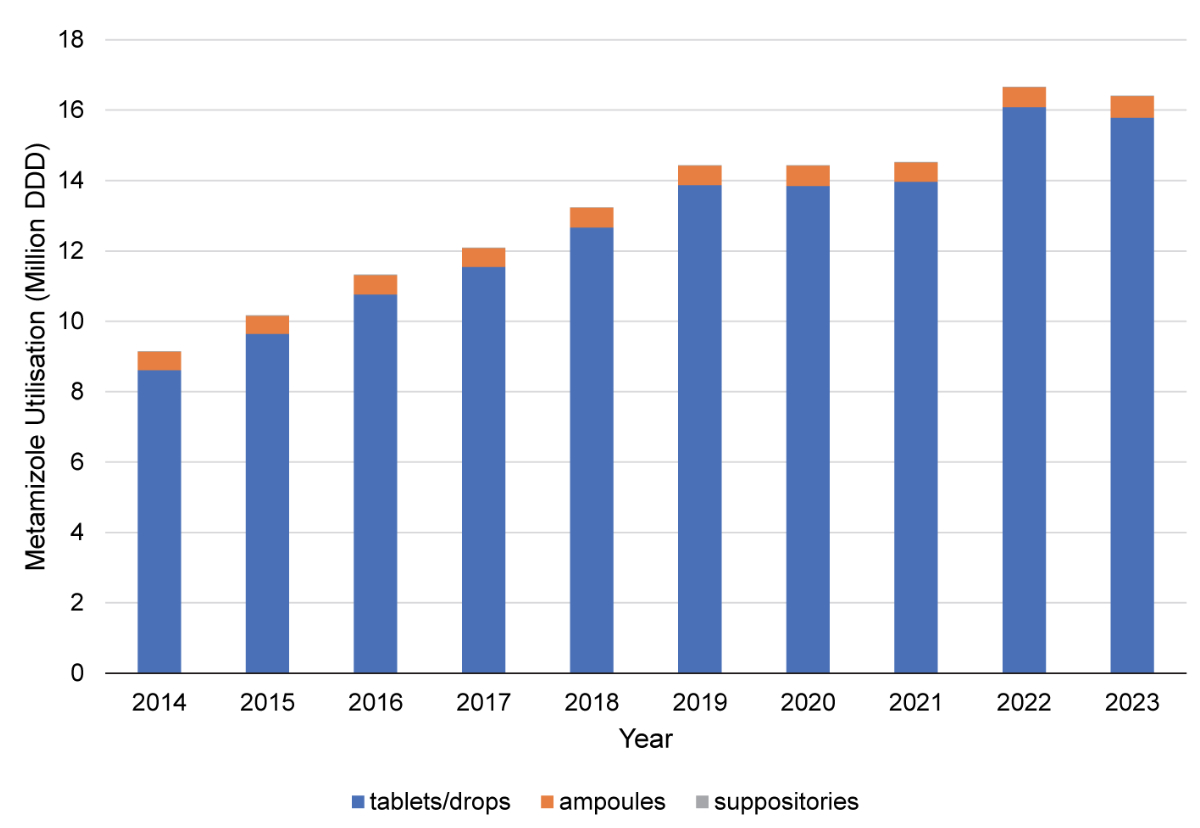
Figure 1Annual metamizole utilisation in Switzerland (2014–2023). Annual metamizole
DDD estimated from aggregated national sales data (outpatient and inpatient),
stratified by formulation (see Methods). The contribution from suppositories is
too small to be visible at this y-axis scale.
Pharmacovigilance
findings on metamizole-induced agranulocytosis (2014−2024)
Spontaneous ICSRs were retrieved from
VigiBase (see Methods).
We identified 407 Swiss ICSRs of metamizole-induced
agranulocytosis for 2014–2024, of which 31 (7.6%) were classified as fatal. For
the methotrexate co-reporting analysis, we used a broader fatal set (2011–2025;
n = 38); proportions are therefore calculated on 38.
Annual report counts increased
from 13 (2014) to 57 (2024) with marked variability (median 36; range 13–57).
The fatal fraction declined across periods: 13.5% (17/126) in 2014–2018, 5.8%
(13/224) in 2019–2023 and 1.8% (1/57) in 2024 (figure 2). Case summaries showed
no consistent age predominance. Co-reported methotrexate was noted in 39.5%
(15/38) of Swiss fatal metamizole-induced
agranulocytosis ICSRs in the full Swiss fatal set (initial dates
2011–2025) versus 19.8% (48/243) globally, suggesting a potential interaction
signal but subject to confounding and reporting biases.
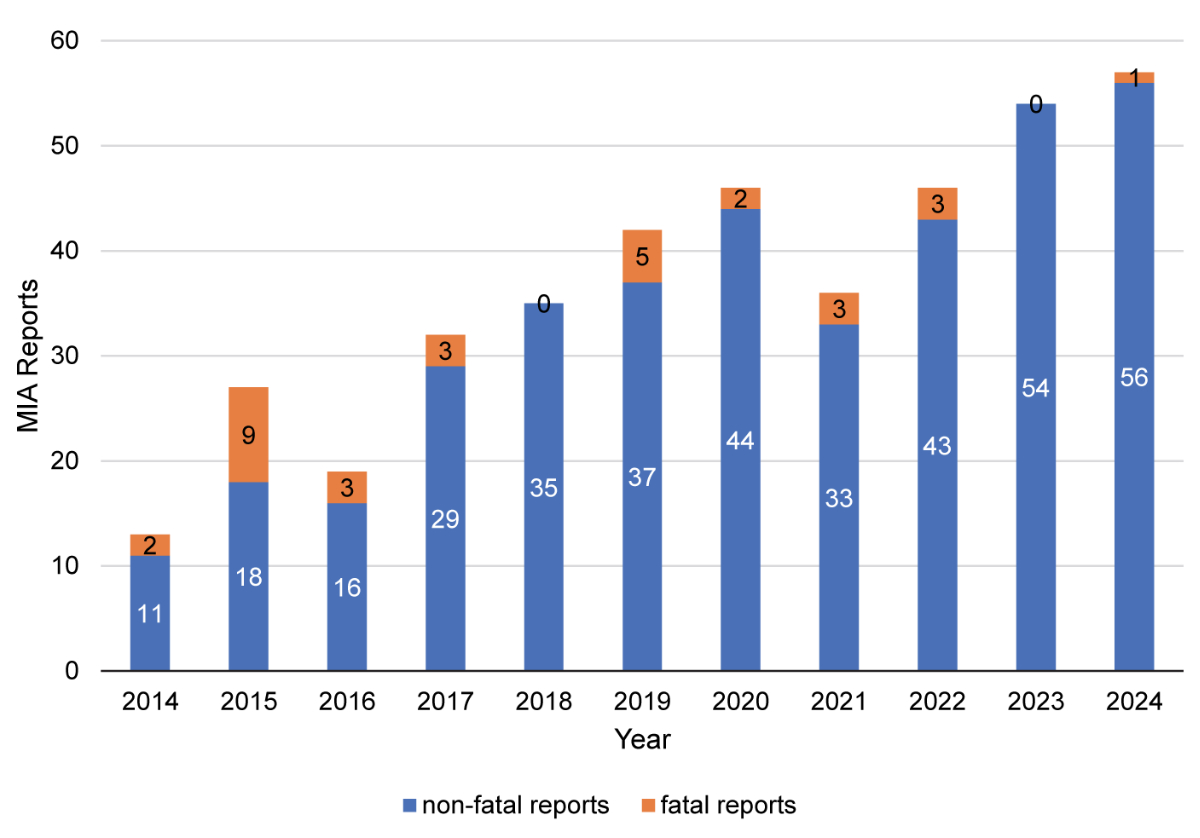
Figure 2Annual spontaneous reports of metamizole-induced agranulocytosis in
Switzerland, 2014–2024. Source: VigiLyze (see Methods).
Internationally,
Switzerland contributes a disproportionately high absolute number of cumulative
metamizole-induced agranulocytosis reports compared with many larger countries (figure
3). Cross-country comparisons should be interpreted cautiously because exposure
denominators and reporting practices differ.
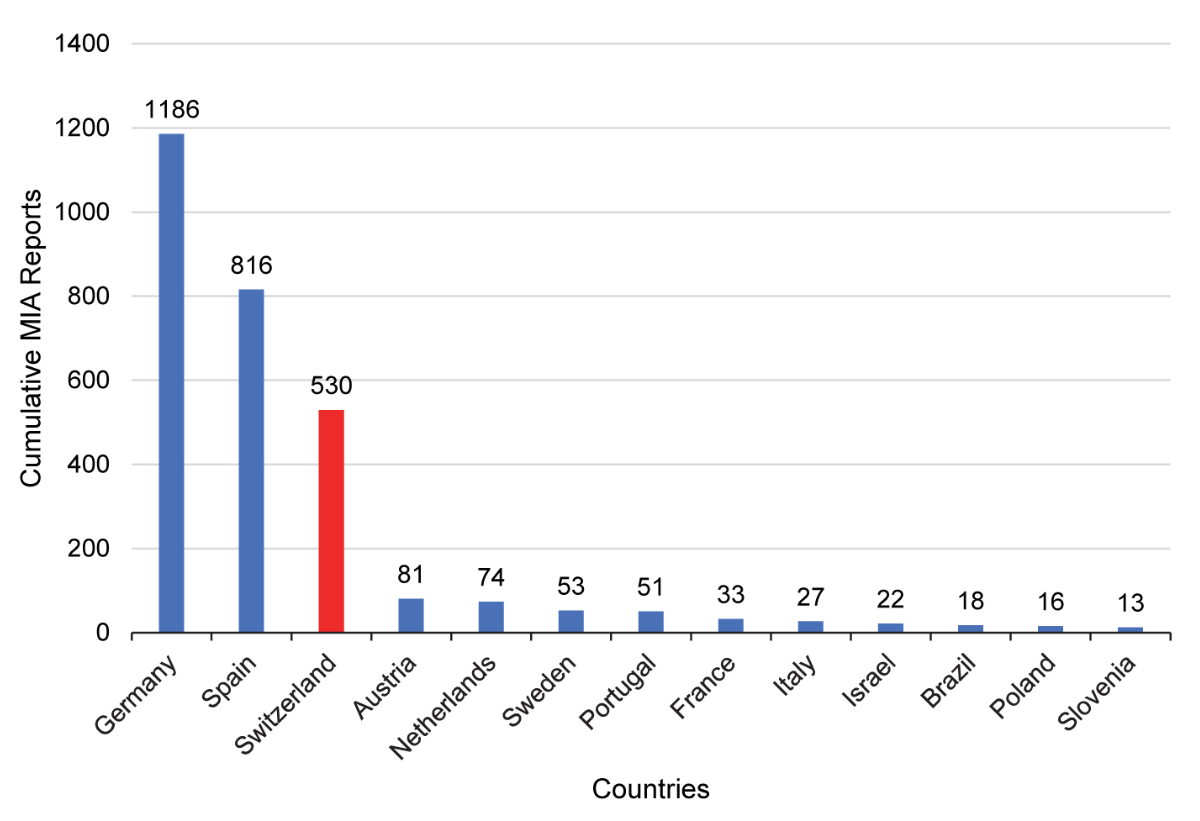
Figure 3Cumulative global metamizole-induced agranulocytosis reports by country.
Switzerland is highlighted in red. Source: VigiLyze (see Methods).
The utilisation-normalised reporting rate
increased from 1.42 to 3.29 reports of metamizole-induced agranulocytosis per
million DDD. Aggregated by period, rates were 2.25 per million DDD in 2014–2018
vs 2.93 in 2019–2023 (rate ratio 1.30). Fatal reporting rates remained low and
trended downward (0.304 vs 0.170 per million DDD; rate ratio 0.56). Across
2014–2023, mean rates were 2.566 (total) and 0.249 (fatal) reports per million
DDD.
When fitted by linear regression, the
utilisation-normalised reporting rate of metamizole-induced agranulocytosis increased
by 0.142 reports per million DDD per year (95% CI 0.031 to 0.253), whereas the
fatal utilisation-normalised reporting rate showed a weak downward trend
(-0.043 reports per million DDD per year; 95% CI -0.100 to 0.013), with no
fatal reports in 2023 (figure 4).
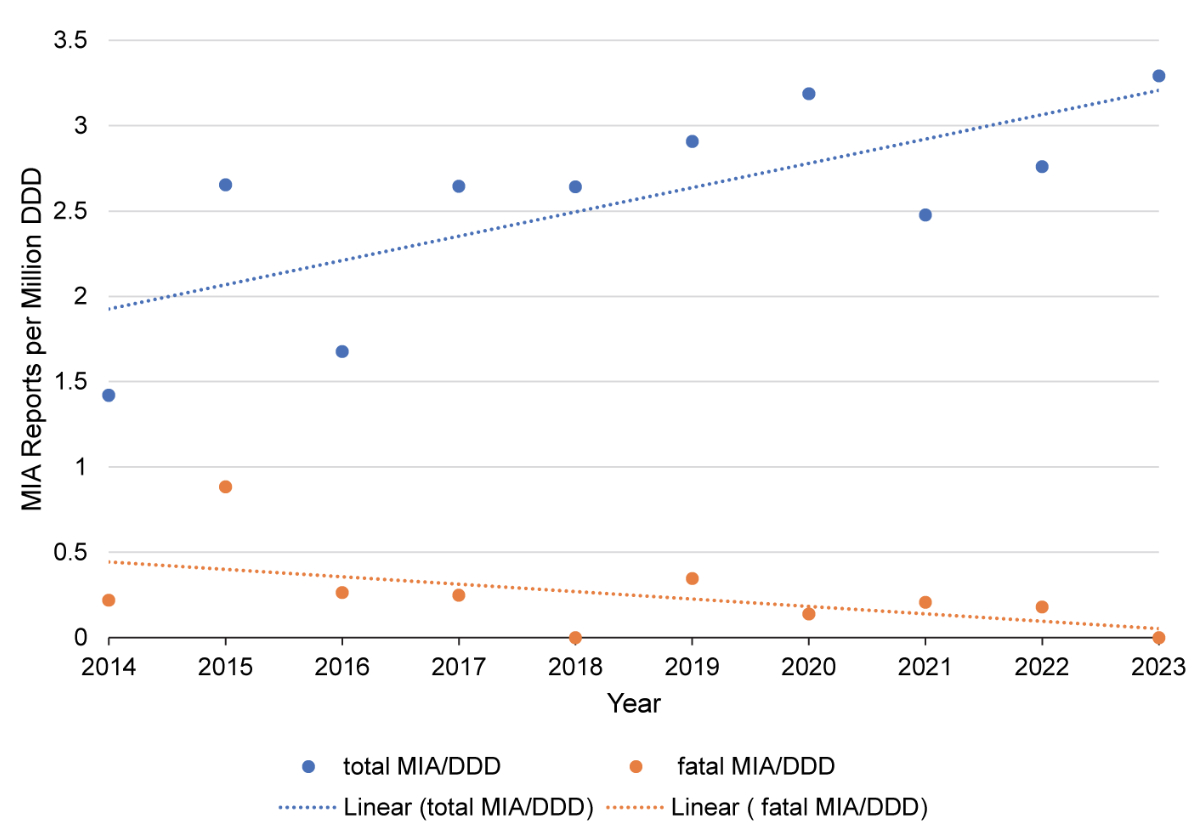
Figure 4Annual
Swiss utilisation-normalised reporting of metamizole-induced agranulocytosis (reports
per million DDD), 2014–2023, with fitted linear trend lines. Denominator: total
DDD from aggregated national sales (outpatient and inpatient). Reports:
VigiLyze. Utilisation data were available to 2023 only (see Methods).
Regulatory
actions
In
response to rising metamizole exposure and persistent reports of metamizole-induced
agranulocytosis in Switzerland, Swissmedic conducted a reassessment and
introduced additional measures to mitigate metamizole-induced agranulocytosis risk,
including:
- targeted education to improve early
recognition of metamizole-induced agranulocytosis by healthcare professionals
and patients;
- reduction of off-label use, which is
considered a contributing factor to increased exposure [13, 14]; and
- avoidance of concomitant use with
methotrexate due to an increased risk of haematotoxicity.
In
parallel, the EMA initiated a referral procedure for metamizole (Article 107i) [16].
Several
recommendations of the Pharmacovigilance Risk Assessment Committee (PRAC) have
already been incorporated into the Swiss prescribing information, notably:
- contraindications for patients with a history
of metamizole-induced agranulocytosis, bone-marrow dysfunction or haematological
disorders; and
- clarified information on duration of use
(while routine blood count monitoring had not been recommended previously).
The
Swiss product information was further updated to include a boxed warning
emphasising the risk of agranulocytosis and the importance of early symptom
recognition, with specific guidance on the interaction between metamizole and
methotrexate; co-administration should be avoided. This includes the instruction
to discontinue metamizole and perform an immediate blood count if
agranulocytosis is suspected, and to stop treatment pending results [17]. Indications
were revised to reinforce appropriate use:
- Pain: use only for severe
pain when other non-opioid analgesics are ineffective or contraindicated,
confirming a second-line role.
- Fever: use only for high
fever that does not respond to other medicinal treatments.
To
enhance patient awareness, a red-framed statement was added to the outer
packaging instructing patients to consult the leaflet before use.
A
Direct Healthcare Professional Communication (DHPC) informed Swiss healthcare
providers of these changes. A side-by-side summary of measures adopted by
Swissmedic versus PRAC recommendations is provided in table 1.
Table 1Comparative summary of risk-minimisation measures
and safety communications (EMA vs Swissmedic).
| Domain |
Measure |
Content |
EMA |
Swissmedic |
| Product information |
Boxed warning |
On metamizole-induced agranulocytosis |
✓ |
✓ |
| Avoid concomitant use with methotrexate |
✗ |
✓ |
| Therapeutic indications |
More precise definition /
restriction |
✗ |
✓ |
| Contraindications |
Clarified (history
of metamizole-induced agranulocytosis, bone-marrow dysfunction, haematological
disease) |
✓ |
✓ |
| Warnings / Precautions |
Strengthened information on
agranulocytosis (early recognition, immediate FBC, stop treatment pending
results) |
✓ |
✓ |
| Interaction with methotrexate |
✗ |
✓ |
| Outer carton (secondary
packaging) |
Red-framed warning
on outer carton |
Directing patients
to read the package leaflet |
✗ |
✓ |
| Safety communication |
DHPC |
|
✓ * |
✓ [17] |
Discussion
Between 2014 and 2023, metamizole
utilisation in Switzerland increased markedly. Over the same period, both the
absolute number of Swiss spontaneous metamizole-induced agranulocytosis reports
and the utilisation-normalised reporting rate increased. Reporting activity
thus expanded faster than utilisation, which may be compatible with intensified
pharmacovigilance awareness and case-finding, and possibly with shifts in use
patterns (e.g. more methotrexate co-medication).
In contrast, utilisation-normalised fatal
reporting decreased over time and was very low towards the end of the
observation period. The fatal proportion likewise declined. These patterns may
be compatible with earlier recognition and improved management, and/or shifts
in case mix; however, random variability, residual confounding and reporting
biases cannot be excluded. Notably, methotrexate was more frequently
co-reported in Swiss fatal cases than in the global fatal set, which may
indicate a potential interaction signal, though confounding by indication (e.g.
underlying malignancy, tumour pain) remains a plausible alternative
explanation.
Switzerland’s
comparatively large share of global metamizole-induced agranulocytosis reports
may reflect robust national pharmacovigilance practices and infrastructure,
rather than necessarily higher intrinsic risk. Spontaneous adverse drug
reactions (ADR) are known to be substantially under-reported, including in
general practice, which may contribute to differences in reporting completeness
across settings [19]. Severe cases such
as agranulocytosis often require hospital evaluation, which may increase the
likelihood of recognition, laboratory confirmation and subsequent reporting.
Computerised monitoring approaches using laboratory triggers and electronic
health data have been described as tools that can support detection and
reporting of ADRs [20]. Consistent with
this, approximately 80% of Swiss national ICSRs originate from regional
pharmacovigilance centres based at university hospitals (internal Swissmedic
estimate), which may contribute to more complete documentation of serious ADRs
such as agranulocytosis. Practically, the data are aligned with
risk-minimisation priorities: restrict use to licensed/approved indications,
counsel patients on early warning symptoms (with immediate discontinuation and
urgent blood count at first signs) and avoid concomitant methotrexate; these
measures are intended to maintain benefit while minimising preventable harm.
Regulatory
assessments by EMA and Swissmedic concluded that, despite the established risk
of agranulocytosis, the benefit–risk profile remains favourable when metamizole
is used appropriately and action is taken promptly at first symptoms. Within
the analgesic landscape, especially in patients at heightened risk from NSAIDs
or opioids, in older adults or where alternative non-opioid analgesics are
ineffective or unsuitable, metamizole remains an option with appropriate
safeguards. The effectiveness of implemented measures should be evaluated using
complementary indicators: pharmacovigilance trends (including severity),
prescribing/exposure analyses, awareness/process metrics and clinical outcomes
(hospitalisation, mortality). Risk-minimisation measures cannot eradicate an idiosyncratic
event
such as agranulocytosis; rather, they aim to reduce exposure outside approved
indications and to avert severe outcomes through patient counselling, early
detection and prompt clinical response.
If
current measures prove insufficient, targeted regulatory or educational actions
could be considered (e.g. tighter control of dispensing channels, prescriber
education/certification or stricter initiation criteria). As one model, the
Netherlands restricts oral metamizole to short-term use (≤14 days), initiated
by a hospital-based pain specialist and dispensed via hospital/outpatient
pharmacies [21, 22].
Finally,
linking sales-based DDD to spontaneous reports is valuable for tracking signal
evolution but does not establish incidence or risk. DDD aggregates reflect
volumes dispensed, not person-time or treatment courses; spontaneous reports
are subject to under- and differential reporting and incomplete clinical
detail. Accordingly, utilisation-normalised reporting should be interpreted
primarily as an indicator of pharmacovigilance activity, not a direct
population risk estimate.
Conclusion
Metamizole utilisation increased alongside
higher numbers of reported metamizole-induced agranulocytosis cases, while
fatal outcomes in spontaneous reports declined. These findings describe
reporting patterns but do not allow conclusions about true incidence or the
effectiveness of risk minimisation measures. The data are consistent with
continued access to metamizole alongside targeted risk-minimisation, ongoing
patient counselling and continued pharmacovigilance, and event-triggered
benefit–risk re-evaluation to sustain benefit while minimising preventable
harm.
Data
sharing statement
Deidentified,
aggregated data supporting the findings (annual utilisation in DDD, annual
Swiss metamizole-induced agranulocytosis report counts, utilisation-normalised
reporting rates and a data dictionary) will be made available from the
corresponding author upon reasonable request. Individual case-level spontaneous
report data and company-level sales data are not publicly shareable due to
database access restrictions and confidentiality obligations. Requests will be
assessed for scientific purpose, feasibility and compliance with applicable
permissions.
Acknowledgments
Spontaneous
reporting data were accessed via VigiLyze. Data providers had no role in the
study design, analysis, interpretation, manuscript preparation or the decision
to submit. The views expressed are those of the authors and do not necessarily
represent the positions of WHO, UMC or Swissmedic.
Oliver Wildner
Safety of Medicines Division
Swissmedic
Hallerstrasse 7
CH-3012 Bern
oliver.wildner[at]swissmedic.ch
References
1. Fendrich Z. [Metamizol—a new effective analgesic with a long history. Overview of
its pharmacology and clinical use]. Cas Lek Cesk. 2000 Jul;139(14):440–4.
2. Bachmann F, Meyer Zu Schwabedissen HE, Duthaler U, Krähenbühl S. Cytochrome P450 1A2
is the most important enzyme for hepatic metabolism of the metamizole metabolite 4-methylaminoantipyrine.
Br J Clin Pharmacol. 2022 Feb;88(4):1885–96. 10.1111/bcp.15108
3. Bachmann F, Duthaler U, Meyer Zu Schwabedissen HE, Puchkov M, Huwyler J, Haschke M,
et al. Metamizole is a Moderate Cytochrome P450 Inducer Via the Constitutive Androstane
Receptor and a Weak Inhibitor of CYP1A2. Clin Pharmacol Ther. 2021 Jun;109(6):1505–16.
10.1002/cpt.2141
4. Lutz M. Metamizole (Dipyrone) and the Liver: A Review of the Literature. J Clin Pharmacol.
2019 Nov;59(11):1433–42. 10.1002/jcph.1512
5. Gut S, Rauch M, Haschke M, Huber CA, Gaertner J, Schur N, et al. Use of metamizole
and other non-opioid analgesics in Switzerland between 2014 and 2019: an observational
study using a large health insurance claims database. Swiss Med Wkly. 2024;154(3535.
https://doi.org/10.57187/s.3535.
6. Tomidis Chatzimanouil MK, Goppelt I, Zeissig Y, Sachs UJ, Laass MW. Metamizole-induced
agranulocytosis (MIA): a mini review. Mol Cell Pediatr. 2023 Aug;10(1):6. 10.1186/s40348-023-00160-8
7. Klose S, Pflock R, König IR, Linder R, Schwaninger M. Metamizole and the risk of drug-induced
agranulocytosis and neutropenia in statutory health insurance data. Naunyn Schmiedebergs
Arch Pharmacol. 2020 Apr;393(4):681–90. 10.1007/s00210-019-01774-4
8. Huber M, Andersohn F, Sarganas G, Bronder E, Klimpel A, Thomae M, et al. Metamizole-induced
agranulocytosis revisited: results from the prospective Berlin Case-Control Surveillance
Study. Eur J Clin Pharmacol. 2015 Feb;71(2):219–27. 10.1007/s00228-014-1777-8
9. Rudin D, Roos NJ, Duthaler U, Krahenbuhl S. Toxicity of metamizole on differentiating
HL60 cells and human neutrophil granulocytes. Toxicology. 2019;426(152254. https://doi.org/10.1016/j.tox.2019.152254.
10. Cismaru AL, Rudin D, Ibañez L, Liakoni E, Bonadies N, Kreutz R, et al. Genome-Wide
Association Study of Metamizole-Induced Agranulocytosis in European Populations. Genes
(Basel). 2020 Oct;11(11):1275. 10.3390/genes11111275
11. Cismaru AL, Grimm L, Rudin D, Ibanez L, Liakoni E, Bonadies N, et al. High-Throughput
Sequencing to Investigate Associations Between HLA Genes and Metamizole-Induced Agranulocytosis.
Front Genet. 2020;11(951. https://doi.org/10.3389/fgene.2020.00951.
12. Andrès E, Maloisel F, Zimmer J. The role of haematopoietic growth factors granulocyte
colony-stimulating factor and granulocyte-macrophage colony-stimulating factor in
the management of drug-induced agranulocytosis. Br J Haematol. 2010 Jul;150(1):3–8.
10.1111/j.1365-2141.2010.08104.x
13. Stammschulte T, Ludwig WD, Mühlbauer B, Bronder E, Gundert-Remy U. Metamizole (dipyrone)-associated
agranulocytosis. An analysis of German spontaneous reports 1990-2012. Eur J Clin Pharmacol.
2015 Sep;71(9):1129–38. 10.1007/s00228-015-1895-y
14. Lübow C, Rotthauwe J, Behles C. Metamizol: schwerwiegende Nebenwirkungen – Update.
Bulletin zur Arzneimittelsicherheit. 2022;4):24-8.
15. WHO Collaborating Centre for Drug Statistics Methodology ATC/DDD Index. 2025 [Available
from: https://atcddd.fhi.no/atc_ddd_index/?code=N02BB02
16. Measures to minimise serious outcomes of known side effect with painkiller metamizole
(EMA/407900/2024) [updated 6 December 2024. Available from: https://www.ema.europa.eu/en/medicines/human/referrals/metamizole-containing-medicinal-products-0
17. DHPC – Novalgin. Metamizol Spirig HC, Minalgin, Novaminsulfon Sintetica, Metamizol-Mepha
(metamizolum) 2025 [Available from: https://www.swissmedic.ch/swissmedic/de/home/humanarzneimittel/marktueberwachung/health-professional-communication--hpc-/dhpc-metamizolum.html
18. Rote-Hand-Brief zu metamizolhaltigen Arzneimitteln: Wichtige Maßnahmen zur Minimierung
der schwerwiegenden Folgen des bekannten Risikos für Agranulozytose 2024 [Available
from: https://www.bfarm.de/SharedDocs/Risikoinformationen/Pharmakovigilanz/DE/RHB/2024/rhb-metamizol.html?nn=591002
19. Hazell L, Shakir SA. Under-reporting of adverse drug reactions : a systematic review.
Drug Saf. 2006;29(5):385–96. 10.2165/00002018-200629050-00003
20. Molokhia M, Tanna S, Bell D. Improving reporting of adverse drug reactions: Systematic
review. Clin Epidemiol. 2009;1(75-92. https://doi.org/10.2147/clep.s4775. doi: https://doi.org/10.2147/CLEP.S4775
21. Metamizol 2024 [Available from: https://richtlijnendatabase.nl/richtlijn/postoperatieve_pijn/kinderen_-_postoperatieve_pijn/medicamenteuze_interventies_kinderen/metamizol_-_postoperatieve_pijn_kinderen.html
22. Public Assessment Report - Dolamizol 250 mg and 500 mg tablets (metamizole sodium
monohydrate): Medicines Evaluation Board (MEB) of the Netherlands; 2021 [Available
from: https://www.geneesmiddeleninformatiebank.nl/pars/h124159.pdf