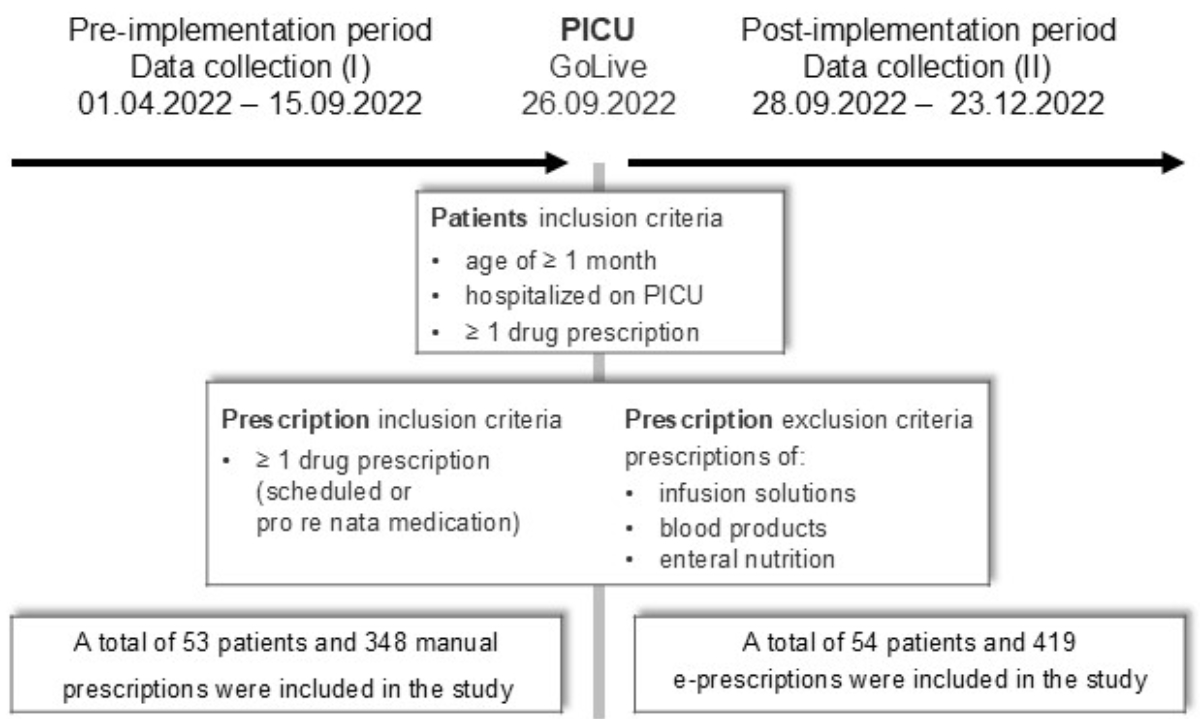
Figure 1Study design with inclusion and exclusion criteria, along with total number of patients and prescriptions included in the study.
DOI: https://doi.org/https://doi.org/10.57187/4978
Computerised Physician Order Entry
Paediatric Intensive Care Unit
pro re nata (as needed)
Medication safety was declared a “Global Patient Safety Challenge” by the World Health Organization in 2017. Critically ill children on a paediatric intensive care unit (PICU) are among patients at particular risk of medication errors and preventable medication-related harm due to polypharmacy, complex dosing of drugs in children and frequent prescription of high-risk (high-alert) medications [1, 2]. Critical illness of children on a PICU, along with alterations in pharmacokinetics and pharmacodynamics, renders them particularly vulnerable to iatrogenic injuries [3, 4]. A medication error can be defined as any event that is preventable and may result in improper medication use or patient harm and that occurs during prescribing, order transmission, product labelling, packaging and nomenclature, compounding, dispensing, distribution, administration, education and monitoring [5]. Drug prescribing errors are among the most frequent errors in the paediatric setting [6] and are of particular relevance as they stand at the very beginning of the medication process.
Determining medication dosages for children is inherently more complex and prone to errors compared to adults. This complexity arises from individual dose calculations based on age, weight or body surface area, needed to account for dynamic developmental changes in pharmacokinetics and pharmacodynamics [7–10]. Frequently, liquid formulations are used, which requires another calculation step to convert the individual calculated dose into a suitable volume of pharmaceutical product to be administered. For parenteral administrations, dose-dependent dilution may also need to be considered [10]. Paediatric dosing and drug preparation approaches are subject to highly heterogeneous internationally and nationally, which can partly be explained by high rates of off-label use [11, 12].
In Switzerland, national paediatric dosing standards have been established in recent years for many drugs based on the latest scientific evidence and best clinical practices, and they are available in a publicly available database (SwissPedDose) [13]. These recommendations are continuously implemented in a commercial paediatric clinical decision support (CDS) tool, PEDeDose (Pedeus AG, Zürich, Switzerland), a software certified as a medical device for paediatric dose selection and individual dose calculations [14]. Calculation of the individual dose is however not enough for a complete drug prescription. To be comprehensible, every prescription should also be formally correct in terms of brand name, strength, pharmaceutical form [2], active pharmaceutical ingredient and route of administration (ROA). Further elements include specification of the single dose with unit (and corresponding dose volume, where appropriate), dosing interval and if necessary further instructions for correct preparation and administration [7].
Incomplete prescriptions are a key factor increasing the risk for medication errors. At the University Children’s Hospital Basel (UKBB), the prescribing process is regulated in internal quality standards by a dedicated medication safety commission. A complete drug prescription is defined as one with the following information items: active pharmaceutical ingredient, brand name, pharmaceutical form, strength, individual or total daily dose, single dose, route of administration and dosing interval.
In the hospital setting, prescribed drugs should mostly be limited to an updated clinic-specific pharmacy list where possible. Many of the challenges for safe paediatric drug prescription are thought to be overcome by implementation of electronic drug prescription, also called computerised physician order entry (CPOE). CPOE including an integrated paediatric dosing standard with a calculator as a clinical decision support tool seems to be promising for supporting physicians in choosing the right drug for an indication with the appropriate dosage [13, 14]. Previous research has indicated challenges in transition electronic prescription systems, leading to the emergence of new errors and obstacles in the prescribing process [17–19]. Hence, it is crucial to assess the transition from paper-based systems to electronic prescribing when using new CPOE systems, as the effectiveness in preventing errors or the risk of introducing new ones can be system-specific. Our hospital was the first in Switzerland to introduce a CPOE system with an integrated clinical decision support for paediatric dosing. This combination is becoming increasingly available throughout Switzerland. Therefore, this setting represented a unique context (CPOE with integrated clinical decision support for paediatric dosing) during the implementation period for our hospital but also for the CPOE company and the clinical decision support company. New challenges and error sources have to be assessed to monitor and enhance medication safety and to our knowledge have not yet been evaluated on a PICU in Switzerland. Our experience can thus be of value for other children’s hospitals, particularly in the context of complex drug prescription on a PICU.
The aim of the project was to evaluate drug prescription quality before and after implementation of electronic prescription by assessing: (1) errors in dose calculation as a primary outcome and a particular safety concern; (2) adherence to internal quality criteria defining a formally complete drug prescription; and (3) compatibility of prescribed doses with paediatric dosing standards, which could already be accessed online before CPOE implementation and which were integrated within the clinical decision support tool with CPOE implementation.
This quality improvement study was conducted in our tertiary children’s hospital (University Children’s Hospital Basel, Switzerland) during implementation of CPOE on our 8-bed PICU). Drugs are primarily prescribed by resident physicians under the supervision of senior physicians specialised in paediatric intensive care according to the written guidance regarding internal quality standards.
The teaching hospital provides both inpatient (approximately 6000 patients/year) and outpatient care. Inpatient care is subdivided into general paediatrics, orthopaedics/surgery, haemato-oncology, paediatric intensive care (PICU), neonatology and neonatal intensive care (NICU). The prescribing process is regulated in internal quality standards by a dedicated medication safety commission. A clinical decision support tool, incorporating paediatric dosing standards and a paediatric dose calculator, was launched in 2019 [20]. Before CPOE implementation, drugs on the PICU were prescribed manually using a structured word sheet. A dedicated in-house-developed calculation support tool was only used for weight-based continuous infusion prescriptions on the PICU such as sedatives and vasoactives (“DripCalc”); other prescriptions (e.g. parenteral and oral anti-infectives) were made without a specific calculation support tool.
The CPOE system KISIM (CISTEC AG, Zürich, Switzerland) was provided with PEDeDose (PEDeus AG, Zürich, Switzerland, web-server based) [20], an integrated clinical decision support tool for calculating paediatric doses (e.g. by weight or body surface area). It was the first rollout of KISIM with this integration. Initially, the rollout was planned as a “big bang” on all inpatient and outpatient wards simultaneously in November 2021. Due to special needs and challenges for paediatric intensive care and neonatology, an iterative rollout strategy was adopted during the project: it was rolled out on the PICU in September 2022, 10 months after initial implementation on the general paediatric, orthopaedic/surgery and haemato-oncology wards and outpatient departments. This special situation led to the decision to examine the introduction of the CPOE on the PICU. Physicians were introduced to electronic prescribing with e-learning modules and an in-person training session a few weeks before going live. During the rollout, enhanced user support (limited to the first week) was provided. Since the introduction of the new CPOE, incoming physicians receive a brief in-person introduction to electronic prescribing, in addition to completing e-learning modules.
Manual prescriptions for PICU patients were retrieved both prospectively and retrospectively during the pre-implementation period (April to September 2022) and electronic prescriptions were retrieved during the post-implementation period (September to December 2022) at regular intervals (approximately weekly) by a resident physician or clinical pharmacist. Potential uncertainties were discussed to reach consensus. Study data were collected and managed using REDCap version 12.2.1 (Vanderbilt University, Nashville, TN, USA) electronic data capture tools hosted at UKBB. All patients with at least one drug prescription were included; patients from the neonatal intensive care unit were excluded (CPOE rollout planned for a later time point due to unsolved technical challenges). Both prescriptions for regular drug administration and pro re nata were included, comprising also parenteral nutrition prescribed under the “medication” section in manual prescription sheets. Infusion solutions, blood products, enteral nutrition products and dietary supplements were excluded (separate section in manual prescription sheets). Figure 1 shows the study design and patient recruitment.
Figure 1Study design with inclusion and exclusion criteria, along with total number of patients and prescriptions included in the study.
The goal was to record at least 200 drug prescriptions in each time period, based on the expectation that electronic prescription may decrease medication or dose calculation errors from approximately 5% to 1% (providing 80% power, two-sample test of proportions, alpha = 0.05) [21]. To capture variability in prescriber behaviour, this was translated into a minimum of 50 corresponding patients per period.
Data were analysed by a resident physician or clinical pharmacist for the following three outcomes: (1) dose calculation errors as a primary outcome; and as secondary outcomes (2) formal completeness of the prescription and (3) dose compatibility with paediatric dosing standards. Potential uncertainties were discussed to reach consensus.
The criteria for assessing primary and secondary outcomes were defined as follows. Dose calculation errors were defined as a non-congruent relationship between intended (weight-based) individual dose (e.g. in mg/kg), absolute dose (e.g. in mg) and the to-be-administered amount (e.g. dose volume in mL). Rounding to the appropriate drug strength was not considered a calculation error. Completeness of prescriptions was assessed with respect to the eight criteria defined in institutional quality standards for the drug prescribing process (active pharmaceutical ingredient, brand name, pharmaceutical form, strength, individual or total daily dose, single dose, route of administration and dosing interval). These criteria were classified as “present”, “absent” (missing but formally required) or “not applicable” (e.g. there is no brand name for formula drugs). Compatibility of dosing with paediatric dosing standards (PEDeDose) was classified as “in line” (no discrepancies with any of the indication-specific dose recommendations), “not in line” (differences in age or bodyweight-based recommendations) or “not available” (no recommendation found). Prescriptions classified as “not in line” or “not available” were then evaluated against an internal medical guideline, where one was available. If an internal medical guideline was not available, the Summary of Product Characteristics (SmPC) was reviewed for recommendations for approved dosing information for paediatrics.
The collected data were analysed with Microsoft Excel® version 2211 (6 December 2022) (Microsoft Corporation, Redmond, WA, USA). Sample size calculation and statistical testing were performed with R version 4.3.2 (R Foundation for Statistical Computing, Vienna, Austria). Figures were created with GraphPad Prism version 9 (GraphPad Software, Boston, MA, USA).
Patient demographics were summarised as age (years), bodyweight (kg) and type of inpatient admission (elective or emergency). Prescription characteristics were classified as most frequently prescribed drug, pharmaceutical forms and route of administration, and prescriptions were classified as fixed-dose medication or pro re nata (PNR) medication.
The primary and secondary outcomes were summarised as counts and percentages with 95% confidence intervals. Proportions before and after implementation of electronic prescription were compared with the two-sample test of proportion. Due to low frequencies, Fisher’s exact test was used for comparing dose calculation error outcomes.
Continuous variables were summarised with medians (interquartile range, IQR), categorical variables as counts (%).
As a quality improvement study, approval from the Ethics Committee of Northwestern and Central Switzerland (EKNZ) and an ethics study protocol were not needed (clarification of responsibility number 2022-00396); informed consent was not necessary either. In addition, as a quality improvement study, the study was not registered.
A total of 767 (348 manual, 419 electronic) prescriptions from 107 patients (53 before and 54 after implementation) were collected. Patient and prescription characteristics are shown in table 1.
Table 1Patient and prescription characteristics.
| Characteristics | Before CPOE implementation | Missing data(absent/not applicable) | After CPOE implementation | Missing data | |
| Patient characteristics | n(total) of patients | 53 | 54 | ||
| Bodyweight in kg, median (IQR) | 13.4 (8.3–25.5) | 11.2 (5.6–17.8) | |||
| Age in years, median (IQR) | 3.2 (0.9–10.3) | 2.0 (0.2–4.78) | |||
| Type of admission, n (%) | Elective | 21/53 (40%) | 13/54 (24%) | ||
| Emergency | 32/53 (60%) | 41/54 (76%) | |||
| Prescription characteristics | n(total) of drug prescriptions | 348 | 419 | ||
| Nº of prescriptions / patient | 6.6 | 7.8 | |||
| Most frequently prescribed drugs (in terms of active pharmaceutical ingredient), n (%) | n(total) with API specified, n (%) | 264 (76%) | 76 (22%) / 8 (2%) | 419 (100%) | – |
| Amoxicillin + clavulanic acid | 9/264 (3.4%) | 22/419 (5.3%) | |||
| Chloral hydrate | 26/419 (6.2%) | ||||
| Ibuprofen | 11/264 (4.2%) | 20/419 (4.8%) | |||
| Midazolam | 8/264 (3.0%) | 27/419 (6.5%) | |||
| Morphine | 12/264 (4.5%) | 38/419 (9.1%) | |||
| Nalbuphine | 15/264 (5.7%) | 6/419 (1.4%) | |||
| Ondansetron | 15/264 (5.7%) | ||||
| Paracetamol | 40/264 (15.2%) | 52/419 (12.4%) | |||
| Vitamin D | 10/264 (43.8%) | 20/419 (5%) | |||
| Most frequently prescribed route of administration, n (%) | n(total) with route of administration specified, n (%) | 288 (82.8%) | 60 (17%) / – | 419 (100%) | – |
| Intravenous (injection, infusion) | 158/288 (54.9%) | 159/419 (37.9%) | |||
| Oral* | 98/288 (34.0%) | 124/419 (29.6%) | |||
| Type of prescription, n (%) | n(total) with type of prescription specified, n (%) | 348 (100%) | – | 419 (100%) | – |
| Scheduled | 261/348 (75.9%) | 250/419 (59.7%) | |||
| Pro re nata | 84/348 (24%) | 169/419 (40.3%) | |||
* Including gastric administration via a feeding tube
Dose calculation errors were detected in 3 of the 348 manual prescriptions (0.8%, 95% CI: 0.2–2.7%), versus no calculation errors in the 419 electronic prescriptions (0%, 95% CI: 0–0.9%, p = 0.09). Two of the errors resulted in a 10-fold overdose. In one prescription, the source of the calculation error could not be determined (e.g. errors related to decimal placement or an incorrect dosage equation). These three prescription errors affected 3 of the 53 patients included before CPOE implementation (5.6%, 95% CI: 1.5–16.6%). There were no prescriptions with a missing dose.
16/348 (5%, 95% CI: 2.7–7.5%) of manual prescriptions were formally complete versus 197/419 (47%, 95% CI: 42.2–51.9%) of electronic prescriptions (p <0.001). Details for each of the eight quality criteria are shown in figure 2; a corresponding numerical summary is given in the supplemental data. For electronic prescriptions, dosing interval and route of administration are 100% present because of the requirements provided by the CPOE. Prescriptions with missing “single dose” comprised especially PRN medications, which can be completed without a specific dose recommendation (“?” instead of dose).
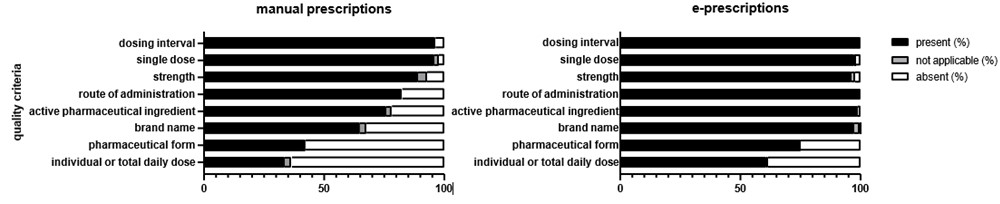
Figure 2Evaluation of the criteria for a formally complete prescription classified as present/not applicable/absent. e-prescriptions: electronic prescriptions.
In 235 of the 348 manual prescriptions (68%, 95% CI: 62.3–72.4%), doses were in line with paediatric dosing standards, versus 313/419 (75%, 95% CI: 70.2–78.7%) of electronic prescriptions (p = 0.035). Further details regarding availability of internal medical standards or paediatric labelled dosing are shown in figure 3.
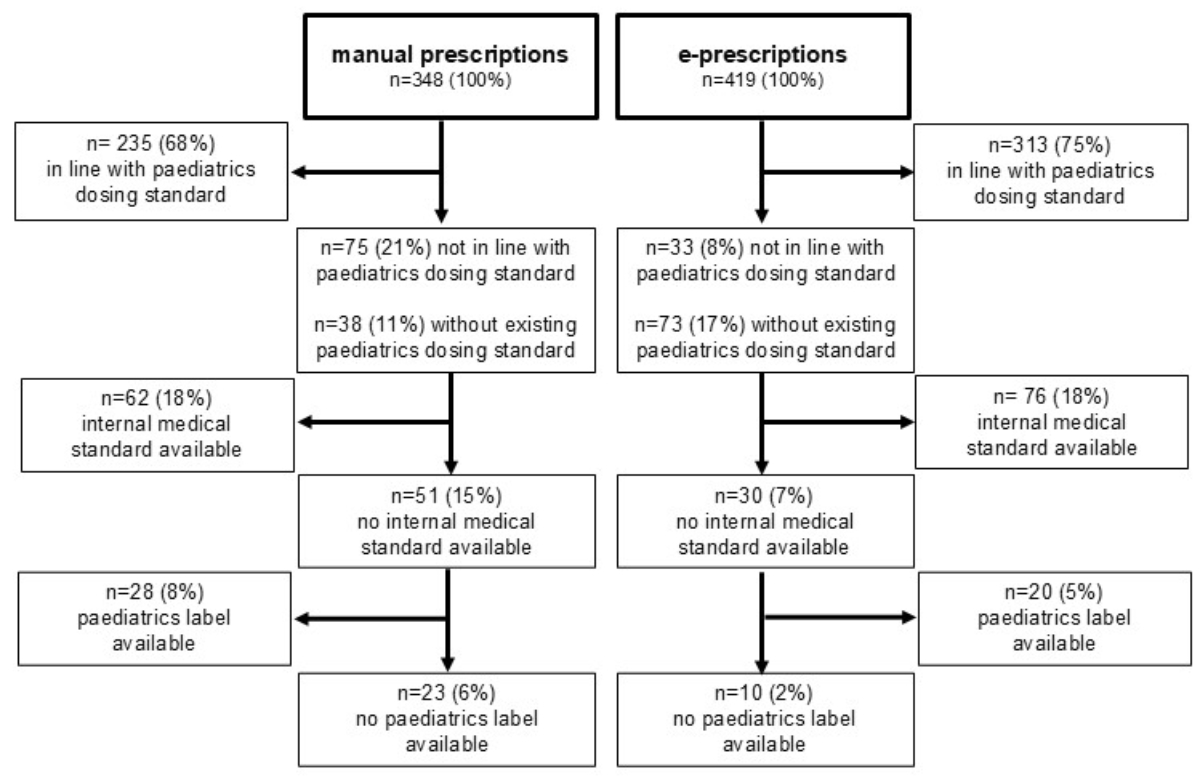
Figure 3Compatibility of prescribed doses with the paediatric dosing standard, and availability of internal medical guidelines or paediatric label recommendations for non-compatible dosing (dosing not in line with paediatric dosing standard or missing standard).
Of 75 manual prescriptions classified as “not in line” with the paediatric dosing standards, the three most prescribed drug classes were anti-infectives (n = 11, 15%), benzodiazepines (n = 8, 11%) and corticosteroids (n = 7, 9%). Of 38 manual prescriptions for which a paediatric dosing standard was “not available”, 11 (29%) were for external use (inhalation, topical, nasal or buccal application). Nine prescriptions (24%) referred to antiepileptic drugs, six (16%) to products not registered as medicinal products (e.g. certain probiotics or fibre-based laxatives). Of 113 manual prescriptions that were not in line with the paediatric dosing standard or for which no standard was available, no internal medical standard could be found for 51. Of these 51 prescriptions, the most frequently prescribed drug classes were antihypertensives (n = 6, 12%), antiepileptics (n = 6, 12%), anti-infectives (n = 4, 8%) and proton pump inhibitors (n = 4, 8%).
Of 33 electronic prescriptions classified as “not in line” with the paediatric dosing standard, the most prescribed drugs were antiepileptic drugs (n = 6, 18%), drugs for treating nausea (n = 6, 18%) and analgesics (n = 4, 12%). Of 73 electronic prescriptions for which a paediatric dosing standard was “not available”, 36 (49%) were for external use (nasal, ocular, skin), 9 (12%) were antiepileptic drugs, 6 (8%) analgesics and 22 (30%) were categorised as “Other” (including e.g. B vitamins, laxatives, intravenous electrolyte substitution). No internal medical guideline was found for 30 of the electronic prescriptions for which the dose was not in line or no paediatric dosing standard was found: most of these drugs (n = 9, 30%) were for treating epilepsy, 5 (17%) prescriptions were for external use (nasal, ocular, skin) and therefore without recommendation; the remaining 16 (53%) comprised diverse drugs (e.g. B vitamins, sedative agents, proton pump inhibitors).
This study is to our knowledge the first to provide information about dose calculation errors on a PICU before and after the implementation of electronic drug prescription (CPOE) with an integrated clinical decision support tool in Switzerland, along with an assessment of prescription quality. The 0.8% rate of dose calculation errors in manual prescriptions (corresponding to 5.6% of patients affected) was low compared to the literature [23, 24]. With the introduction of CPOE, this error could be numerically eradicated in our study, although this was not statistically significant. Furthermore, a significant improvement in the quality of prescriptions was noted in terms of formal completeness (increase from 5% to 47%) and compatibility of the prescribed dose with defined paediatric dosing standards (increase from 68% to 75%). This finding shows the potential of CPOE with integrated paediatric clinical decision support for dose selection and calculation to improve medication safety on the PICU, particularly by increasing completeness and standardisation of drug prescriptions.
In our primary outcome, we could not demonstrate a significant reduction in dose calculation errors after CPOE implementation. This may be due to the lower than expected pre-CPOE error rate and accordingly relatively small target sample size. However, the observation of numerically reduced dose calculation errors post-CPOE implementation, along with significantly increased standardisation of dose prescription, may be considered consistent with the potential benefit of CPOE in decreasing prescribing errors in PICU patients and paediatric inpatients in general [24]. Dosing errors have indeed been found to represent one of the most common medication errors in the PICU [6]. In the (P)ICU, CPOE implementation has partly also been associated with improved patient outcomes, but not consistently [25]. For example, van Rosse et al. [26]demonstrated in a meta-analysis in 2009 a noteworthy decrease in prescribing errors through the utilisation of CPOE systems, although no significant reduction was observed in adverse drug events or mortality rates.
Our pre-CPOE dose calculation error rate of 0.8% (defined as an incongruent relationship between intended weight-based dose and absolute dose or dose volume) may be considered low when compared to the literature. This may be due to the fact that heterogeneous, partly more strict, definitions of dosing errors have been used in other studies that went beyond our pragmatic definition of dose calculation errors, including e.g. additionally rounding to greater than ±10% to ±20% [14, 17] and up to 25% [22]. Corresponding reported rates of inaccurate dosing in paediatric patients have ranged from 11.3% prescription errors in inpatients [16] to 36.5% prescription errors in doctors undergoing a prescribing competency assessment [27].
None of the identified dose calculation errors concerned high-risk medications, many of which are administered as a continuous infusion in the PICU. This may be explained by the fact that an internal calculation support tool for PICU-specific continuous infusions (e.g. vasoactives, sedatives, opioids) was already available for manual prescriptions and was routinely used. Two of three instances of dose calculation errors involved a 10-fold overdose in drug prescriptions, indicating an incorrect placement of the decimal point. Although it is acknowledged that 10-fold errors are frequent in paediatric prescriptions, the exact frequency and severity of their occurrence remain unclear [28]. The third case involved an incomprehensible dose calculation, resulting in a deviation of 60% from the target dose. No association between dose calculation errors and type of admission could be found (emergency admission, transition from other unit and transition from external).
The CPOE includes compulsory fields (“dosing interval” and “route of administration”) which substantially increased the overall completeness of prescriptions from 5% to 47% (p <0.001). The high rate of formally incomplete prescriptions pre-CPOE is in line with assessments of manual prescriptions [16], where incomplete prescriptions accounted for 41% of errors in paediatric inpatients. Also, in the ambulatory setting, high rates of formally incomplete manual prescriptions have been reported [29]. To the best of our knowledge, an official definition of the minimal requirements of a drug prescription in the hospital setting does not exist. For our study, we used eight formal criteria defined in our internal hospital standard. These are partly based on mandatory drug-related fields required for ambulatory drug prescriptions in Switzerland, including the correct name of the prescribed medicine, strength, pharmaceutical form, number of packages and duration of therapy [29, 30]. According to the World Health Organization’s (WHO) Guide to Good Prescribing, a prescription should contain the generic name of the drug, strength, pharmaceutical form and total amount, and label with instructions and warnings (next to prescriber and patient details) [31]. As individual or total daily dose (e.g. in mg/kg/day) is not among these requirements, it may not be surprising that this was the most frequently missing item both pre- and post-CPOE implementation. Still, the introduced CPOE system allows for these items to be depicted (which was verified by the medication safety standard group before implementation). It even proposes as primary prescription process guided individual dose prescription supported by the implemented clinical decision support tool, which will depict the total daily dose in mg/kg/day in the prescription. This has probably contributed to the increase from 34% to 61% post-CPOE. In this context, it must be noted that this guided prescription is technically not feasible in every use case. For example, somewhat irregular timing of administration (e.g. necessary to avoid compatibility issues in parenteral polypharmacy) technically cannot be prescribed in this way. Also for every parenteral infusion, a mixture needs to be pre-configured in the system. A previous study underpins the recommendation of compulsory fields concerning the bodyweight and indication/reason for prescribing [32]. Other definitions regarding completeness can be found in the scope of inpatient prescription error rate evaluation. Here, incomplete prescriptions have for example been defined as prescriptions “that require further clarification in order to be executed” [24], or as those affecting dispensing, with “necessary information not provided or incorrect advice provided” (classifications by the Pharmaceutical Care Network Europe [PCNE] used by Satir et al.) [24]. The low number of formally complete prescriptions pre-CPOE may indicate that our internally defined prescription standard was too detailed to be followed in routine clinical practice, or that regular monitoring and/or training sessions for correct prescribing practices should have been provided earlier (no regular monitoring was established due to lack of resources).
Interestingly, our data show that even post-CPOE, formal criteria for a complete prescription are not necessarily fulfilled to 100%. Also Satir et al. reported in 2023 that even after CPOE implementation, the most frequent type of prescribing error was lack of necessary information or incorrect advice for dispensing (representing 44.1% of post-CPOE errors) [24]. The potentially missing elements “pharmaceutical form” and “strength” are related to registered product names in the drug master data file provided in our hospital via HospINDEX (HCI Solutions AG, Bern, Switzerland) and cannot be influenced by the prescriber, with the exception of free-text prescriptions (e.g. used for formula drugs that have not been registered). During CPOE use, we adjusted for some of these products the displayed name in the hospital-specific master file in the context of reported critical incidents. This comprises also ward-specific suffixes, e.g. to distinguish low concentrated neonatology-specific from higher concentrated paediatric-specific products, or to indicate alternatives during periods of drug shortage. The absence of “pharmaceutical form” (missing in 19% of electronic prescriptions) may pose a particular safety risk, if a drug is available in various pharmaceutical forms that may be applied by a wrong route of administration when confused [33]. While the “brand name” specification may seem a desirable property in particular for paediatric prescriptions (due to variable paediatric licence status and/or potentially harmful inactive ingredients), more-flexible, active ingredient-based prescriptions linked to a range of possible suitable products and/or routes of administration would frequently be practical. This is especially the case for PRN medications (where the most suitable route of administration can be unclear) or in the context of drug shortages, where available products may frequently vary.
While statistically more prescriptions were in line with the institutional paediatric dosing standard following CPOE implementation (75% versus 68% pre-CPOE), the absolute increase by 7% may be considered small. This might be explained by the fact that a web application of the dosing standard (PEDeDose©) was already in use by many physicians before CPOE implementation and mostly reflected in internal medical guidelines. It must be noted that 100% use and consistency is probably not achievable, as drugs for external use (as well as infusion solutions, which were not included in this study) cannot currently be prescribed using the integrated clinical decision support tool. Factors that may still have contributed to a further enhancement, especially by reducing dose prescriptions “not in line” with the standard (from 21% to 8%, figure 2) and/or those with unclear dosing reference (reduction of 7% to 2%, figure 2), could be the opening of the clinical decision support window by default linked to the integrated dose calculation tool. The window needs to be actively closed if the physician wants to execute the prescription without the clinical decision support tool. Given that for 11% to 17% of prescriptions the clinical decision support tool could not be used (“no standard available”), closing the window is required in approximately one out of five to nine prescriptions (or more frequently when including solutions for infusions), which has been reported as cumbersome by clinicians. A second justification for enhancement could be the facilitation and apparent reassurance during the prescription process. While this may be perceived a benefit especially for junior doctors, the associated possible “loss of dosing knowledge” has been criticized by experienced clinicians. Having a look at systemically used drugs for which a dosing standard was “not available” mainly shows drugs used rather infrequently in the general paediatric population (including several anti-epileptics), as indicated by currently lacking national paediatric dose recommendations [13]. Ongoing national collaborations and regular experienced-based feedback between hospitals and the providers of paediatric dosing standard tools could close this gap [13]. The high prevalence of rare diseases in paediatric hospitals [34] with corresponding specialised treatment approaches may however remain a challenge.
Both pre- and post CPOE implementation, drugs that were not in stock in the hospital pharmacy, or even off-market, were occasionally prescribed, suggesting wrong drug prescriptions as an equivalent alternative was most likely used. While frequently probably harmless, problems can arise in case of different strength of formulations, paediatric-inappropriate active ingredients or in the event of a product recall. Pre-CPOE implementation, we noted that parenteral drug prescriptions were frequently imprecise, even though fulfilling formal completeness criteria of our medication standard. For example, the mode of intravenous administration was rarely distinguished (injection vs infusion) and the duration of infusion and information on reconstitution were partly/frequently lacking. The correct preparation and mode of parenteral administration were mainly a responsibility of the nursing staff pre-CPOE and became a new responsibility for physicians with CPOE implementation. To simplify parenteral drug prescription, standardised preconfigured infusion mixtures were developed, with integrated information on preparation, administration and incompatibilities. Nevertheless, the correct prescription of parenteral infusion mixtures has been a major challenge and has required development of dedicated training material, including e-learnings, paper documentation and a “Room of horror” quiz highlighting the most frequent prescribing errors/pitfalls (which incidentally can be shared with other hospitals upon request; please see the “Data availability” statement).
Further changes observed with CPOE implementation included the increase in PRN medication (table 1), probably due to use of standardised post-operative order sets. Also, a lower rate of “gastric” versus “oral” prescriptions was noted, while it remains unclear whether this was appropriate or unintentional (e.g. associated with pre-defined primary route of administrations).
Interestingly, a steady rise in overall reported critical incidents has been noted since the introduction of the new clinical information system providing CPOE in our hospital (an 80% increase from 2021 to 2023). This partly points towards new sources of errors and/or increased motivation to report due to dissatisfaction with system usability. The percentage of medication-related reports did however not increase (31% in 2021, 27% in 2023). Internal analysis suggests that several incidents can still, at least in part, be linked to technical aspects of CPOE. In line with points mentioned above, these include for example the technically challenging (non-intuitive) prescription of paediatric parenteral drugs, selection of the wrong drug or strength associated with defaults proposed by the system (e.g. when a drug is available in the broader clinic-specific pharmacy list, but not necessarily in a particular unit, or in case of changes due to drug shortages), or misreading of the medication overview (relevant information may be hidden by less relevant information, potentially leading to double prescriptions, or wrong drug or volume administration). Other patient populations may present further challenges that are beyond the scope of this investigation. For example, in neonatology, factors such as appropriate dose rounding, age-specific dose selection (based on gestational, postnatal or postmenstrual age), transparent prescription updates in response to changes in body weight and age, and the need for precise fluid management planning, have thus far impeded the implementation of CPOE in our institution.
One limitation of this study is that the broader clinical appropriateness of drug prescriptions – e.g. using the Pharmaceutical Care Network Europe (PCNE) classification for prescribing errors [12] and the clinical significance of prescribing errors e.g. based on the NCC MERP index [24] – was not assessed. Accordingly, no statement can be made on the accuracy of prescriptions, even if formally classified as complete and in line with dosing standards. However, it must also be noted that systematic assessments of prescribing errors using the classification scales mentioned above are known to be subject to significant inter-rater variability [24]. For example, variable dosing approaches are common in paediatric care, and classifying a dose as correct may vary with the dosing reference considered. Whether a formally incomplete prescription requires further clarification highly depends on the experience of the nursing staff (e.g. also critical incidents with intravenous application of liquid oral formulations have been reported, for which equivalent parenteral formulations are not marketed). Hence, this analysis focused on objectively assessable aspects of the drug prescription process, that may be easily applicable to other hospitals and patient populations, while some inter-observer variability cannot be excluded (e.g. as there was no clear definition of acceptable dose rounding). These aspects may be considered quality metrics regarding the initial part of a medication process. Quality metrics are regularly requested in the scope of external inspection and accreditation processes that aim to improve safety and quality of care [35], albeit with controversially discussed impact on patient-relevant outcomes and cost-effectiveness [36]. In future assessments, it would be interesting to evaluate the usability and efficiency of CPOE (e.g. as indicated by the time needed to complete a prescription and/or number of prescription adjustments, accounting for previous CPOE experience), and/or to evaluate the effectiveness of standardised training programmes in electronic prescribing [37] on prescription and administration errors. Such assessments may further consider the following aspects: 1) including a wash-in phase to preclude influence of enhanced user support during the first week of CPOE rollout and recent training sessions, 2) including an additional control group (e.g. separate hospital), 3) double-checking and reviewing prescriptions by independent raters to support physicians in electronic prescribing, 4) accounting for previous user experience with the CPOE system used (e.g. from another ward or hospital), and 5) planning assessments at the same seasonal intervals to reduce the risk of bias by time trends. For example, the post-CPOE phase fell within the respiratory syncytial virus infection season, which may explain why a shorter time period was sufficient to collect equal numbers of prescriptions during the post-CPOE implementation period. Finally, from a sample size perspective, to demonstrate a significant decrease of dose calculation errors from approximately 1% to 0%, a sample size increase to 700–800 prescriptions per period would be required.
Electronic prescribing (CPOE) is one of the main priorities of European eHealth activities [38]. Findings of this quality study provide arguments for the potential of CPOE with integrated paediatric dose selection and calculation to improve paediatric medication safety on PICU, in particular by increasing completeness and standardisation of drug prescriptions. Nevertheless, only 50% of electronic prescriptions were formally complete, and new potential sources of prescribing errors linked to increased complexity of drug prescriptions were seen, with many of them being paediatric-specific. This underlines the need for close interdisciplinary monitoring of electronic prescription systems, additional training time for users and flexibility for adjustments based on user experience with corresponding dedicated resources.
Anonymised study data and corresponding data dictionaries are available upon reasonable request from the corresponding author. In addition, any developed training material as outlined in the manuscript will be shared upon request. Besides statistical testing described, no code was used in the analysis that could be shared.
This study was funded by the B. Braun Foundation.
All authors have completed and submitted the International Committee of Medical Journal Editors form for disclosure of potential conflicts of interest. No potential conflict of interest related to the content of this manuscript was disclosed. F.R. is now an employee of CISTEC AG but was an employee of UKBB during the project.
1. World Health Organization. Medication Without Harm - Global Patient Safety Challenge on Medication Safety. 2017. https://iris.who.int/bitstream/handle/10665/255263/WHO-HIS-SDS-2017.6-eng.pdf?sequence=1
2. Kellett P, Gottwald M. Double-checking high-risk medications in acute settings: a safer process. Nurs Manag (Harrow). 2015 Feb;21(9):16–22. doi: https://doi.org/10.7748/nm.21.9.16.e1310
3. Valentine K, Kummick J. PICU Pharmacology. Pediatr Clin North Am. 2022 Jun;69(3):509–29.
4. Franke HA, Woods DM, Holl JL. High-alert medications in the pediatric intensive care unit. Pediatr Crit Care Med. 2009 Jan;10(1):85–90. doi: https://doi.org/10.1097/PCC.0b013e3181936ff8
5. The National Coordinating Council for Medication Error Reporting and Prevention about Medication Errors. 2024. https://www.nccmerp.org/about-medication-errors#:~:text=The%20Council%20defines%20a%20%22medication,professional%2C%20patient%2C%20or%20consumer
6. Alghamdi AA, Keers RN, Sutherland A, Ashcroft DM. Prevalence and Nature of Medication Errors and Preventable Adverse Drug Events in Paediatric and Neonatal Intensive Care Settings: A Systematic Review. Drug Saf. 2019 Dec;42(12):1423–36.
7. Neubert A, Rascher W. Arzneimitteltherapiesicherheit bei Kindern. Bundesgesundheitsblatt Gesundheitsforschung Gesundheitsschutz. 2018;61(9):1139–45.
8. Trofimiuk M, Wasilewska K, Winnicka K. How to Modify Drug Release in Paediatric Dosage Forms? Novel Technologies and Modern Approaches with Regard to Children’s Population. Int J Mol Sci. 2019 Jun;20(13):3200.
9. Gotta V, Welzel T, Pfister M, van den Anker JN. Prinzipien der medikamentösen Dosierung bei Kindern. Swiss Medical Forum ‒ Schweizerisches Medizin-Forum. 2021;21(27–28):466–471. Available from: https://triggered.edinburgh.clockss.org/ServeContent?url=https%3A%2F%2Femhsmp2025.clockss.org%2Femhsmp%2Fsmfde%2F021%2F27%2F08771%2Findex.html
10. Gotta V, van den Anker J, Pfister M. Nebenwirkungen bei Kindern besser verstehen und vermeiden. Ther Umsch. 2015 Dec;72(11-12):679–86.
11. Di Paolo ER, Stoetter H, Cotting J, Frey P, Gehri M, Beck-Popovic M, et al. Unlicensed and off-label drug use in a Swiss paediatric university hospital. Swiss Med Wkly. 2006 Apr;136(13-14):218–22.
12. Satir A, Pfiffner M, Meier CR, Caduff Good A. Use of unlicensed drugs in a Swiss Pediatric University Hospital and associated prescribing error rates - a retrospective observational study. Swiss Med Wkly. 2024 Mar;154(3):3369. doi: https://doi.org/10.57187/s.3369
13. Tilen R, Panis D, Aeschbacher S, Sabine T, Meyer Zu Schwabedissen HE, Berger C. Development of the Swiss Database for dosing medicinal products in pediatrics. Eur J Pediatr. 2022 Mar;181(3):1221–31.
14. Higi L, Schmitt R, Käser K, Wälti M, Grotzer M, Vonbach P. Impact of a clinical decision support system on paediatric drug dose prescribing: a randomised within-subject simulation trial. BMJ Paediatr Open. 2023 Jan;7(1):e001726. doi: https://doi.org/10.1136/bmjpo-2022-001726
15. Condren M, Studebaker IJ, John BM. Prescribing errors in a pediatric clinic. Clin Pediatr (Phila). 2010 Jan;49(1):49–53. doi: https://doi.org/10.1177/0009922809342459
16. Ghaleb MA, Barber N, Franklin BD, Wong IC. The incidence and nature of prescribing and medication administration errors in paediatric inpatients. Arch Dis Child. 2010 Feb;95(2):113–8. doi: https://doi.org/10.1136/adc.2009.158485
17. Warrick C, Naik H, Avis S, Fletcher P, Franklin BD, Inwald D. A clinical information system reduces medication errors in paediatric intensive care. Intensive Care Med. 2011 Apr;37(4):691–4. doi: https://doi.org/10.1007/s00134-010-2126-8
18. Howlett MM, Butler E, Lavelle KM, Cleary BJ, Breatnach CV. The Impact of Technology on Prescribing Errors in Pediatric Intensive Care: A Before and After Study. Appl Clin Inform. 2020 Mar;11(2):323–35. doi: https://doi.org/10.1055/s-0040-1709508
19. Walsh KE, Adams WG, Bauchner H, Vinci RJ, Chessare JB, Cooper MR, et al. Medication errors related to computerized order entry for children. Pediatrics. 2006 Nov;118(5):1872–9. doi: https://doi.org/10.1542/peds.2006-0810
20. Higi L, Käser K, Wälti M, Grotzer M, Vonbach P. Description of a clinical decision support tool with integrated dose calculator for paediatrics. Eur J Pediatr. 2022 Feb;181(2):679–89. doi: https://doi.org/10.1007/s00431-021-04261-2
21. Kadmon G, Bron-Harlev E, Nahum E, Schiller O, Haski G, Shonfeld T. Computerized order entry with limited decision support to prevent prescription errors in a PICU. Pediatrics. 2009 Sep;124(3):935–40. doi: https://doi.org/10.1542/peds.2008-2737
22. Ghaleb MA, Barber N, Franklin BD, Yeung VW, Khaki ZF, Wong IC. Systematic review of medication errors in pediatric patients. Ann Pharmacother. 2006 Oct;40(10):1766–76. doi: https://doi.org/10.1345/aph.1G717
23. Albarrak AI, Al Rashidi EA, Fatani RK, Al Ageel SI, Mohammed R. Assessment of legibility and completeness of handwritten and electronic prescriptions. Saudi Pharm J. 2014 Dec;22(6):522–7. doi: https://doi.org/10.1016/j.jsps.2014.02.013
24. Satir AN, Pfiffner M, Meier CR, Caduff Good A. Prescribing errors in children: what is the impact of a computerized physician order entry? Eur J Pediatr. 2023 Jun;182(6):2567–75. doi: https://doi.org/10.1007/s00431-023-04894-5
25. Prgomet M, Li L, Niazkhani Z, Georgiou A, Westbrook JI. Impact of commercial computerized provider order entry (CPOE) and clinical decision support systems (CDSSs) on medication errors, length of stay, and mortality in intensive care units: a systematic review and meta-analysis. J Am Med Inform Assoc. 2017 Mar;24(2):413–22. doi: https://doi.org/10.1093/jamia/ocw145
26. van Rosse F, Maat B, Rademaker CM, van Vught AJ, Egberts AC, Bollen CW. The effect of computerized physician order entry on medication prescription errors and clinical outcome in pediatric and intensive care: a systematic review. Pediatrics. 2009 Apr;123(4):1184–90. doi: https://doi.org/10.1542/peds.2008-1494
27. Davis T, Thoong H, Kelsey A, Makin G. Categorising paediatric prescribing errors by junior doctors through prescribing competency assessment: does assessment reflect actual practice? Eur J Clin Pharmacol. 2013 May;69(5):1163–6. doi: https://doi.org/10.1007/s00228-012-1440-1
28. Lesar TS. Tenfold medication dose prescribing errors. Ann Pharmacother. 2002 Dec;36(12):1833–9. doi: https://doi.org/10.1345/aph.1C032
29. Arnet I, Hersberger KE. Wie schreibe ich ein perfektes Rezept in der Schweiz? Ther Umsch. 2014 Jun;71(6):324–34. doi: https://doi.org/10.1024/0040-5930/a000520
30. Bundesversammlung der Schweizerischen Eidgenossenschaft. Verordnung über die Betäubungsmittelkontrolle (BetmKV; SR 812.121.1). Stand 1.2013, 2011.
31. De Vries TP, Henning RH, Hogerzeil HV, Fresle DA. Drugs WAP on E, Drugs WHOE, et al. Guide to good prescribing : a practical manual. World Health Organization. https://iris.who.int/handle/10665/59001
32. Maat B, Au YS, Bollen CW, van Vught AJ, Egberts TC, Rademaker CM. Clinical pharmacy interventions in paediatric electronic prescriptions. Arch Dis Child. 2013 Mar;98(3):222–7. doi: https://doi.org/10.1136/archdischild-2012-302817
33. Mani V, Wheeler DW. Drug form and expression of concentration may also lead to prescription errors. Drug Saf. 2010 Feb;33(2):167–8. doi: https://doi.org/10.2165/11319060-000000000-00000
34. Teutsch S, Zurynski Y, Eslick GD, Deverell M, Christodoulou J, Leonard H, et al. Australian children living with rare diseases: health service use and barriers to accessing care. World J Pediatr. 2023 Jul;19(7):701–9. doi: https://doi.org/10.1007/s12519-022-00675-6
35. Hussein M, Pavlova M, Ghalwash M, Groot W. The impact of hospital accreditation on the quality of healthcare: a systematic literature review. BMC Health Serv Res. 2021 Oct;21(1):1057. doi: https://doi.org/10.1186/s12913-021-07097-6
36. Flodgren G, Gonçalves-Bradley DC, Pomey MP. External inspection of compliance with standards for improved healthcare outcomes. Cochrane Effective Practice and Organisation of Care Group, editor. Cochrane Database of Systematic Reviews. 2016;2016(12).
37. Brown CL, Reygate K, Slee A, Coleman JJ, Pontefract SK, Bates DW, et al. A literature review of the training offered to qualified prescribers to use electronic prescribing systems: why is it so important? Int J Pharm Pract. 2017 Jun;25(3):195–202. doi: https://doi.org/10.1111/ijpp.12296
38. Gall W, Aly AF, Sojer R, Spahni S, Ammenwerth E. The national e-medication approaches in Germany, Switzerland and Austria: A structured comparison. Int J Med Inform. 2016 Sep;93:14–25. doi: https://doi.org/10.1016/j.ijmedinf.2016.05.009