Microplastics in the air and potential health risks – a narrative review
DOI: https://doi.org/https://doi.org/10.57187/4935
Meltem Kutlar Jossab,
Nicole Probst-Henschab
a Swiss Tropical and Public Health Institute, Allschwil, Switzerland
b University of Basel, Basel, Switzerland
Summary
AIM: Microplastics, defined as plastic particles smaller
than 5 mm and larger than 1 micrometer, along with nanoplastics (in the 1–1000 nm
range), are
ubiquitous environmental contaminants originating from both primary production
and secondary fragmentation. Little is known about exposure to microplastics in
ambient air and their health effects. This review summarises current knowledge
regarding microplastics in ambient air and their potential health effects.
METHODS: To capture the limited available evidence on
airborne microplastics exposure and human health, a search strategy using five
complementary approaches was designed and implemented across multiple databases
and timeframes through September 2024.
RESULTS AND DISCUSSION: In Switzerland and globally,
major sources of airborne microplastics include tyre wear, textile fibres, and the
degradation of plastics from various sectors. Exposure measurements reveal that
microplastics are present in both indoor and outdoor air, with indoor exposure
generally exceeding outdoor exposure. Exposure in cities is higher than in
rural areas, thus depending on proximity to human activity. Based on calculations
derived from various studies, an
adult might inhale from 1,200 microplastic particles per year in remote
locations to over 1.5 million particles per year in highly polluted urban areas.
Human biomonitoring confirms the presence of microplastics across multiple
tissues and bodily fluids, including the lungs, blood, placenta, breast milk, faeces,
and, more recently, brain tissue, with evidence suggesting that microplastics
can cross biological barriers, including the blood-brain barrier. While
epidemiological studies specifically addressing airborne microplastic exposure
are lacking, occupational health studies from textile and rubber industries
report respiratory symptoms, impaired lung function, and an increased risk of
respiratory diseases. Studies examining non-exhaust traffic emissions (as
proxies for tyre wear particles) suggest associations with respiratory effects,
increased mortality risk, cardiovascular impacts, and potential links to cancer
and neurodevelopmental disorders. However, both approaches to understanding and
deriving health effects from airborne microplastics have limitations. Additional
research challenges include non-standardised measurement methods, a limited
understanding of biokinetics, and difficulty differentiating microplastic
effects from general particulate matter exposure.
CONCLUSION: Despite these limitations, microplastics
likely contribute to health effects similar to those of particulate matter
pollution, with potential additional concerns related to their specific
composition and chemical additives. The proportion of microplastics in ambient
particulate matter may increase with decreasing exhaust emissions and increasing
use of plastic products, emphasising the need for interdisciplinary research on
exposure assessment and health implications.
Introduction
Plastics are all around us. They are used in almost
every sector, including product and food packaging, building and construction
materials, textiles, consumer products such as cosmetics, transportation,
electrical and electronics sectors, and industrial machinery [1]. Plastic use
is increasing worldwide; of particular concern, the global plastics treaty,
which aimed to address growing plastic pollution, did not reach an agreement [2].
Additionally, this “plastic crisis” is accompanied by growing concerns
regarding emissions and exposure across the plastic lifecycle and their
potential adverse effects on the environment and health [3]. Microplastics are
tiny plastic particles smaller than 5 mm and larger than 1 micrometer, whereas nanoplastics
are defined as either 1–100
nm or 1–1000 nm [4]. Herein, we refer to both sizes as microplastics.
Microplastics are classified as either primary
microplastics, which are produced intentionally (e.g. for cosmetics), or as
secondary microplastics, which are formed through the fragmentation or abrasion
of larger plastics or plastic waste [5]. Microplastics have been studied in
water and soil for a while [6]. However, few studies have measured
microplastics in the air [5].
The Swiss Federal Office for the Environment commissioned
a report summarising the state of knowledge regarding the health effects of
microplastics in ambient air from LUDOK – the literature database and services
on health effects of ambient air pollution at the Swiss Tropical and Public
Health Institute (https://www.swisstph.ch/de/projects/ludok). This review summarises key findings of the
larger report published in German in February 2025 [7].
Methods
The systematic collection and selection of studies
regarding exposure and possible health effects of microplastics in the air were
based on the work and expertise of LUDOK. LUDOK systematically searches for, collects,
and summarises important research on ambient air pollution and health since 1985
[8].
The literature search for the microplastics review
used five complementary approaches to find relevant literature on the topic.
- Since January 2022, the systematic LUDOK search
has been screening and earmarking relevant microplastics literature through its
ongoing monthly PubMed search and its hand searches of major journals [8].
- Routine LUDOK searches were complemented by a
systematic search in the Web of Science up to May 2023, combining keywords for
microplastics, airborne exposure, and human health. It focused on reviews
published from 2021 onwards and on highly cited studies.
- Reference lists were consulted to identify
additional relevant studies in a snowballing approach.
- Occupational studies in the rubber industry examining
cardiovascular endpoints were systematically searched in PubMed until September
2024.
- Because the previous search strategies did not
reveal any epidemiological studies regarding airborne microplastics exposure
and health, the LUDOK database was additionally searched in July 2023 for
epidemiological studies that considered exposure to non-tailpipe or non-exhaust
emissions or road dust as a potential proxy for tyre wear particle exposure (appendix
1).
Studies and reviews reporting on measured exposure to microplastics
in ambient or indoor air, or on microplastics detected in the human body
(biomonitoring data) were included, along with studies examining the health
effects of (micro)plastics in occupational settings and the health effects of
non-exhaust emissions with a focus on the indicator metals copper, zinc, and
barium for tyre wear [9–11]. Microplastics from tyre wear are an important
component of non-exhaust traffic emissions, alongside brake and road wear [11,
12]. Because this study was interested in the health effects of microplastics
in ambient air, it was hypothesised that, as in research on the health effects
of particulate air pollution or its components, studies in occupational
settings and studies that analysed non-exhaust traffic-related air pollution
could provide insights into the potential health effects of airborne
microplastics.
Results and discussion
What are microplastics? Where do microplastics (in the air) come from?
Microplastics in the environment are a highly complex
mixture of materials and chemicals that differ in size, shape, material
composition, additives, and surface properties, depending on their origin or
source and the process through which they are formed.
In Switzerland, the improper disposal of plastics, such
as littering or plastics in organic waste disposal, is the primary source of
macroplastics (>5 mm) in the environment. Due to communal cleaning services,
most of these plastics are removed and burned in waste incineration plants. In
Switzerland, the largest sources of microplastics that are contaminating water,
soil, and air are tyre wear and the degradation of plastics used in
agriculture, construction, and households [13, 14]. In other countries,
relevant microplastic sources mentioned include tyre abrasion from road and air
traffic, artificial turf, road markings (thermoplastics), waste incineration,
construction, landfills, industrial emissions, and tumble dryer exhaust [15, 16],
as well as the fragmentation and abrasion of macroplastics by wind, the resuspension
of tyre, brake, and road surface abrasion, and the abrasion of textile
furnishing and synthetic clothing by human movement [17]. The dispersion of
microplastics from water bodies through sea spray or on the surface of water
bodies is also mentioned [18]. However, the contribution of water bodies to
airborne microplastics has recently been challenged, with evidence indicating
that it is overestimated [19]. No reliable statements can be made on the
quantitative contributions of all these sources [18].
Estimates suggest that tyre wear contributes between
0.1% and 10% of PM10 air pollution in the form of microplastics [5]. Manoli and
Voutsa [20] estimated that 28% of particulate matter in PM10 corresponds to
resuspended road dust, including tyre wear. Wik and Dave [21] estimated that approximately
5% of tyre abrasion can enter the air. Grigoratos and Martini [11] and Kole and
Lohr [22] estimated that 0.1–10% of PM10 and 3–7% of PM2.5 in the air consists
of tyre and road abrasion, which is likely to be at the upper limit. For
Switzerland, Rausch and Jaramillo-Vogel [23] quantified tyre abrasion particles
at an urban road site (NABEL monitoring station Bern-Bollwerk) and at an urban
background site (NABEL monitoring station Zurich-Kaserne). The proportion of tyre
abrasion particles in PM10 was 11% at the road site and 2% at the urban
background site, with values of 2.24 and 0.28 μg/m3, respectively. Measurements
in indoor and outdoor air identifying plastic fibres in air samples suggest
that the wear and tear of synthetic textiles and furniture finishings are also
important contributors to airborne microplastic exposure [24, 25].
Regarding the processes leading to ever smaller
plastic particles, the degradation depends on parameters such as temperature,
wind, relative humidity, colonisation by microbes, additives, surface area,
size, and shape. Photo-oxidative degradation is the most important mechanism in
the air and requires sunlight (UV radiation). Degradation is generally very
slow [4]. This leads to plastic accumulation in the environment that is
expected to persist for hundreds to thousands of years, depending on the
plastic type [26]. Air is therefore considered not a sink but a transport medium
[13]. Prevailing meteorological parameters, including wind, temperature,
relative humidity, and rainfall, along with particle solubility, shape, size,
and structures, affect the transport of atmospheric microplastics [4].
The World Health Organisation [27] has summarised the
different attributes of microplastics in a figure (figure 1). Toxicity can vary
depending on these characteristics. Some authors additionally mention the
ageing of the materials or colonisation by bacteria as traits influencing
toxicity [28].
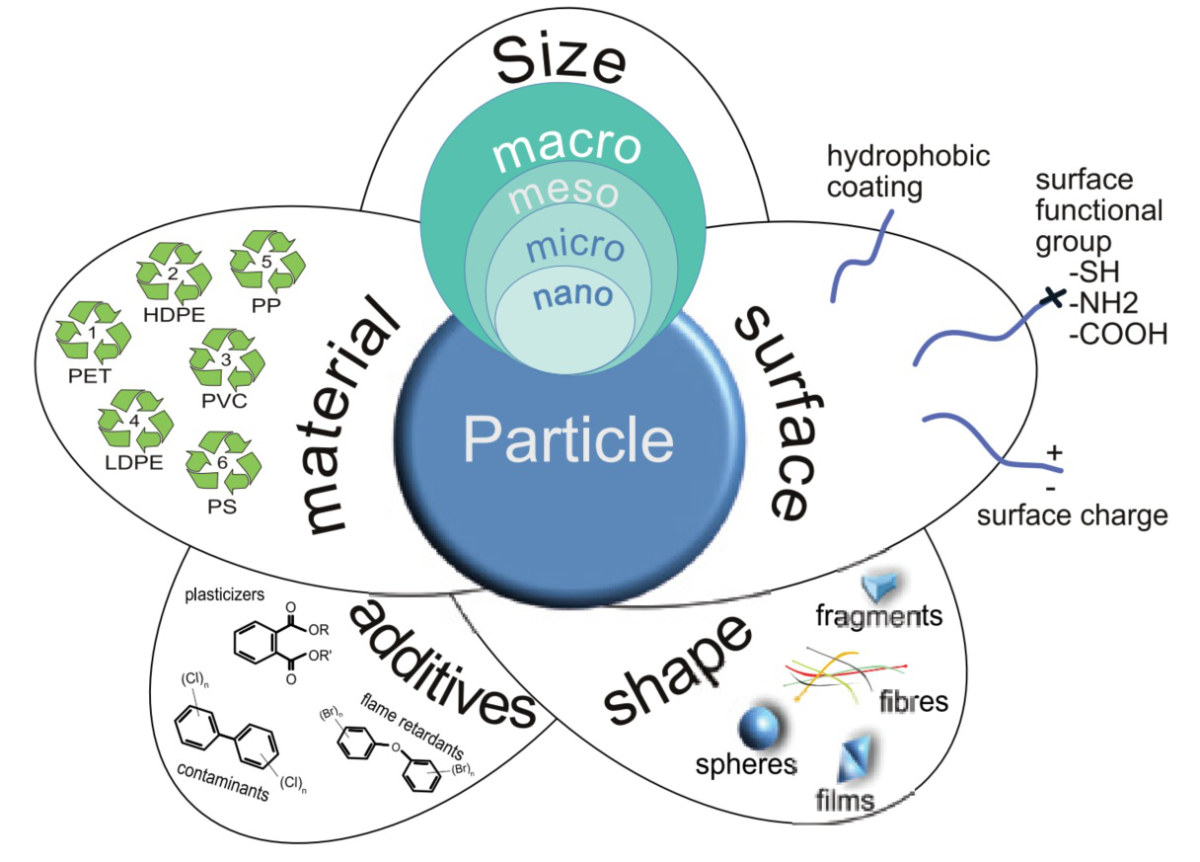
Figure 1Attributes of microplastics that are relevant for
assessing both exposure and hazard (from: WHO. Dietary and inhalation exposure to
nano- and microplastic particles and potential implications for human health. Geneva:
World Health Organization, 2022 [27], under Creative Commons licence CC
BY-NC-SA 3.0).
Are we exposed to microplastics?
Challenges of measuring microplastics in the air
There are no standardised measurement methods for
microplastics in the air. Depending on the research question, such as differentiating
between sizes, quantities, shapes, or chemical features of plastics, different
methods for sampling, pre-treatment, and identification are used. A review by Luo
and Wang [29] provides a good overview of existing methods. Because of the
variety of methods, it is difficult to compare measurements [30]. Additionally,
there are major challenges in terms of quality assurance, for example, in avoiding
sample contamination [31].
Exposure measurement studies from Europe, North
America, the Middle East, and Asia indicate that microplastics are present in
the air. Pollution is higher in areas with greater human activity, which means that
higher levels are observed in cities than in rural areas [25] (appendix 2).
The fact that microplastics are also found in remote areas, such as glaciers, and
that their number has increased in recent years, indicates that they are
transported by wind and removed from the atmosphere by dry and wet deposition,
and that emissions have increased [32]. The number of inhalable particles (i.e.
particles smaller than 10 μm in diameter, PM10) is unclear. However, to date,
microplastics likely only account for a small fraction of human exposure to particulate
pollution in PM2.5 or PM10. Indoor exposure, particularly from textile fibres,
is higher than ambient exposure because of indoor air sources and closed rooms
with minimal air exchange [33–35].
Exposure of humans
Taking the results of various measurement studies and
assuming an average breathing volume of 15 m3 per day for an adult [27],
the inhaled quantity of microplastics per day and year was estimated (table 1).
Exposure studies from Europe report an annual average
exposure of a few thousand particles (3285-5091 particles/year, with 1259
particles at a remote location such as the Pic Du Midi). Asian studies
generally show larger numbers, which can partly be attributed to the inclusion
of the total load, including large particles. Nevertheless, the average
pollution in five major cities in China remains high, with over 900,000
particles, when taking into account that about 61% (over 1.5 million particles)
were smaller than 30 μm [36].
Table 1Calculation of the annual exposure to the number of microplastic particles or
fibres based on selected exposure measurement data (assumption of a daily
breathing volume of an adult of 15 m3 per day).
| Reference |
Place /country |
Particle size |
Concentration
(particles/m³) |
Dailye exposure (particles/day) |
Annual exposur (particles
inhaled/year) |
| [32] |
Pic du Midi, Pyrenees, France |
More than half ≤10 μm |
0.23 (range: 0.09–0.66) |
3.45 (range: 1.35–9.9) |
1259.25 (range: 492–3613) |
| [37] |
Indoor air, Aarhus, Denmark |
Median: 21 and 36 μm (smaller/larger
particles) |
Avg. 9.3 ± 5.8 (range: 1.7–16.2) |
Avg. 139.5 (range: 25.5–243) |
Avg. 50917 (range: 9307–88695) |
| [34] |
Coastal California, USA |
Fibres: 616 μm (30%: 100–300 μm), Fragments:
104 μm |
Fibres: 0.6, Fragments: 5.6 |
Fibres: 9, Fragments: 84 |
Fibres: 3285, Fragments: 30660 |
| [33] |
Paris, France |
Outdoor air fibres <1650 μm |
0.9 (range: 0.3–1.5) |
13.5 (range: 4.5–22.5) |
4927 (range: 1642–8212) |
| [38] |
Asaluyeh, Iran |
<100 – >1000 μm (air: 2–100 μm, dust:
75% <100 μm) |
1 (range: 0.3–1.1) |
15 (range: 4.5–16.5) |
5475 (range: 1642–6022) |
| [39] |
Nagpur, Central India |
n/a |
Residential: 116.25 particles/day,
Industrial: 99.25 particles/day |
Same as concentration |
Residential: 42431, Industrial: 36226 |
| [40] |
Beijing, China |
80%: 5–20 μm, range: 5–200 μm |
14100–16700 fibres/m³ |
211500–250500 fibres/day |
77197500–91432500 |
| [41] |
Wenzhou, China |
5–1794 μm (65.1% <30 μm, 29.4%: 30–100
μm) |
188.7 |
2830.5 |
1033132 |
| [36] |
5 major cities in China |
5.9–1475 μm, 61.6% <30 μm |
Range: 104–650, Avg: 282 |
Range: 1560–9750, Avg: 4230 |
1543950 (range: 569400–3558750) |
| [42] |
Shanghai, China |
23.07–9955 μm, Avg: 597.5 μm at 1.7m |
0–4.18, Avg: 1.42 |
0–62.7, Avg: 21.3 |
7774 (range: 0–22885) |
| [43] |
Shanghai, China |
Avg: 246.52 μm (12.35–2191.32) |
0–2, Avg: 0.41 |
0–30, Avg: 6.15 |
2244 (range: 0–10950) |
There are various alternative calculations of the
total human exposure to microplastics, which produce very different figures
depending on the assumptions and models used. Cox and Covernton [44] calculated
that a North American ingests 39,000–52,000 particles per year via food and
that the total exposure increases to 74,000–121,000 particles if exposure via
respiration is taken into account (based on numbers from [33] and [45]). Zhang
and Xu [46] calculated an intake through food, specifically from salt and water,
of up to 77,700 particles and over 30 million through respiration. These
figures are subject to great uncertainty. Whether the consumption of water drunk
from plastic bottles is added can make a huge difference (up to 90,000
additional particles per year [44]). What is striking, however, is that estimated
exposures from air can play a major role in total exposure, given that microplastics
can enter the organism both through inhalation via the lungs and through the
gastrointestinal tract by swallowing particles removed by the respiratory
tract’s cleaning mechanisms.
Human biomonitoring data
Humans are exposed to microplastics via food, air, and
skin, whereby, depending on the authors, food [13] and (indoor) air [47] are
discussed as the main routes of exposure. Airborne microplastics can (1) be
inhaled, (2) be inhaled and trapped in the mucus of the lining of the upper respiratory
system and removed by mucociliary transport to be swallowed, and (3) settle on
meals [48] or surfaces. The latter is especially relevant for the exposure of
infants, who can ingest microplastics through typical mouthing behaviours [49].
The latter two mechanisms result in exposure of the gastrointestinal tract.
In general, inhalable particles larger than 10 µm in
aerodynamic diameter are deposited mainly in the extrathoracic region, whereas
particles under 10 µm can reach the tracheobronchial regions of the lung [50]. Small
particles measuring less than 2.5 µm can reach the alveolar region of the lung,
where clearance mechanisms are not as successful [15]. Particles below 1–1000
nanometers (nanoplastics) can cross the alveolar-capillary barrier [51] and,
once in the bloodstream, can also cross the blood-brain or placental barrier [52].
The detection of microplastics in various organs and body
fluids indicates exposure and transport within the body. Microplastics were
first detected in human lung tissue of workers in the textile industry in 1975 [53].
Since then, microplastics have also been found in the lung tissues of the
general population [54–56] and in other organs, such as blood [57–59], the gut [60],
liver tissue [61], faeces [62, 63], breast milk [64], the placenta [65, 66], and
the first stool of a newborn (meconium) [67, 68]. This suggests that
microplastic particles are transferred via the placenta and the umbilical cord.
Reviews by Jung and Sampath [69], Prata [70], and Barceló and Picó [71] cover important
studies on the detection of microplastics in the human body.
Table 2 shows the types of microplastics that have
been detected in different organs and body fluids.
Table 2Types of plastic detected that have passed the human body’s biological
barriers or were excreted (adapted from: Krause S, Ouellet V, Allen D, Allen S, Moss
K, Nel HA, et al. The potential of micro- and nanoplastics to exacerbate the health
impacts and global burden of non-communicable diseases. Cell Rep Med. 2024 Jun;5(6):101581
[51] under Creative Commons licence CC BY-NC-SA 4.0).
| Type
of microplastic |
Placenta |
Meconium |
Breast milk |
Blood |
Faeces |
| Polyamide |
X |
X |
X |
X |
X |
| Polyurethane |
X |
X |
X |
X |
X |
| Polyethylene |
X |
X |
X |
X |
X |
| Polyethylene
terephthalate |
X |
X |
X |
X |
X |
| Polypropylene |
X |
X |
X |
X |
X |
| Polyvinyl
chloride |
X |
X |
X |
– |
X |
| Polyoxymethylene |
X |
X |
– |
– |
X |
| Ethylene
vinyl acetate copolymer |
X |
X |
– |
– |
X |
| Polytetrafluoroethylene |
X |
X |
– |
– |
X |
| Chlorinated
polyethylene |
X |
X |
– |
– |
X |
| Polybutadiene |
X |
X |
– |
– |
X |
| Polycarbonate |
– |
– |
X |
– |
– |
| Polystyrene |
– |
– |
X |
– |
X |
| Polymethyl
methacrylate |
X |
X |
– |
X |
X |
| Polylactic
acid |
X |
X |
– |
X |
X |
| Polysulfones |
X |
X |
– |
X |
X |
| Nitrocellulose |
– |
– |
– |
X |
– |
| Sizes
detected |
5–10 μm/50–240 nm |
>50 μm |
2–50 μm |
~700 nm |
infant: 20–50 μm, adult: 50–500 μm |
More recently, microplastics have been detected in the
olfactory nerve [72] and in the brain, sparking discussion on their potential
role in the development of dementia, as a greater accumulation of microplastics
was observed in a cohort of decedent brains with a documented dementia
diagnosis than in those without a diagnosis. Notable deposition was observed in
cerebrovascular walls and immune cells [73]. The authors confirmed the presence
of microplastics in the human kidney, liver, and brain using robust
complementary methods for detecting microplastics. Most of the total mass
consisted of polyethylene, with lesser but relevant concentrations of other
polymers. In brain tissues, they observed the highest proportions of
polyethylene, which are presented largely as nanoscale, shard-like fragments.
Plastic concentrations in these decedent tissues were not influenced by age,
sex, race/ethnicity, or cause of death. The time of death (2016 vs 2024) was a
significant factor, with increasing microplastic concentrations over time in
both liver and brain samples [73].
However, no reliable statement can be made about the general
level and distribution of exposure. Similar to the challenges of measurement of
microplastics in ambient air, measurements of microplastics in body fluids are
not based on standardised methods either [52].
Do airborne microplastics affect our health?
Microplastics are a mixture of materials and additives
that can have very different effects depending on their size, shape,
composition, age, and surface properties or the materials present on their
surface. It is virtually impossible to separate the effects of chemicals and
particles [74].
Various mechanisms of action can lead to damage and
impaired health. These include physical or chemical irritation by the particles
themselves, as well as adhering chemicals from production or components such as
proteins or heavy metals accumulated from the environment or within the body [38,
75, 76]. Non-toxic material that is inert per se can accumulate and trigger
inflammatory reactions and systemic changes, such as in the microbiome [77].
To date, no reliable epidemiological studies on the
general population are available that describe a connection between environmental
exposure to microplastic particles and health consequences for humans,
including exposure from air. Occupational health studies and studies
investigating non-exhaust components of particulate matter are used here as
proxies for airborne microplastic exposure and suggest comparable effects to
those described for exposure to particulate matter, as described below.
Occupational health studies, typically from the
textile, flocking, tyre producing, or vinyl (PVC) industry, have primarily
described respiratory symptoms such as allergic or asthma-like reactions,
(chronic) cough, bronchitis, changes in lung function, wheezing, inflammation
of the airways, pulmonary fibrosis [53, 78], and even lung cancer [79, 80].
Cancers of the liver, bladder, and digestive tract have been reported [81, 82].
Increased mortality from respiratory diseases [83] and cancer [79, 84] has also
been described. However, according to a WHO report [27], the evidence for a
link between microplastic exposure and cancer is still inadequate. Individual
studies additionally point to links with mortality from cardiovascular diseases
and possible effects on the brain (dementia) [85, 86].
Occupational studies point to possible health effects.
However, their results cannot be transferred to the general population, which
includes susceptible people such as children, pregnant women, individuals with
pre-existing conditions, and older adults. Exposure in the general population
is often characterised by long-term exposure to low levels of pollution, whereas
occupational exposure typically is characterised by higher exposure levels over
shorter time periods, with recovery time when not working. In addition, it is
difficult to assess exposure-response relationships in occupational studies and
rule out effects from other co-pollutants in the workplace or other confounding
factors.
Epidemiological studies that examine exposure from
traffic using specific metals in particulate matter as indicators for (brake
and) tyre wear (e.g. zinc and barium), or that use other methods to calculate the
contribution of non-exhaust emissions from traffic to PM exposure, might be
considered proxies for microplastics exposure from ambient air. The 90 studies
selected from the LUDOK database describe various health endpoints.
Respiratory effects related to pneumonia [87, 88] and
reduced lung function [89, 90] were found to be associated with non-exhaust
particles and zinc in adults and children. Results on asthma and wheezing were
mixed, with some studies showing increased risks of asthma, as well as increased
symptoms [91–93] or emergency events [94]; however, these associations were not
observed in other studies examining asthma-related emergencies [95–98].
The mortality risk in the general population was
increased in association with long-term exposure to zinc in PM or non-exhaust
emissions in Rome [99] and Massachusetts (USA) [100], as well as in the
European studies ESCAPE [101] and ELAPSE [102, 103] and in heart patients [104].
However, a UK study in the general population in London found no association
with non-exhaust primary particles (PM2.5 and PM10) [105].
The ELAPSE study observed an increased lung cancer
risk associated with zinc [106], and the ESCAPE study found increased risk with
copper, zinc, and nickel [107]. Zinc in PM was also found to increase liver
cancer risk in the ELAPSE study [108], but no associations were found regarding
brain [109] or breast cancer risk in the ESCAPE study [110].
A review of
toxicological studies found that microplastics affected cardiac function and
caused toxicity at (micro)vascular sites. Direct cardiac toxicity included
abnormal heart rate, cardiac function impairment, pericardial oedema, and
myocardial fibrosis. At (micro)vascular sites, microplastics induced haemolysis,
thrombosis, blood coagulation, and vascular endothelial damage [111].
Epidemiological studies with indicators of non-exhaust traffic exposure have
found mixed results regarding heart rate variability [112–114] and for effects
on hospital admissions or emergency events related to cardiovascular diseases [94,
98], stroke [115, 116], mortality due to CVD [99, 117] or of patients with CVD [104,
118], and the development of CVD [88, 119, 120].
Microplastics may alter
hormonal balance and metabolism. In particular, the additives bisphenol A and
phthalates are known endocrine disruptors that may lead to lower birth weight,
preterm birth, insulin resistance, high blood pressure, and obesity [69]. Only
a few individual studies in LUDOK support these findings regarding non-exhaust
exposures. A Spanish study found higher risks for preeclampsia in association
with traffic and brake dust exposure [121]. Studies conducted in London and
Sweden found lower term birth weight with non-exhaust emissions [122, 123].
Recently, as
mentioned above, the migration and accumulation of microplastic particles in
the brain have been discussed, and a higher content of microplastics has been
observed in the brains of individuals with a diagnosis of dementia than in
those without a diagnosis [73]. A cohort study in children found a higher risk
for autism diagnoses with non-exhaust emissions during pregnancy [124]. Flame retardants,
another common additive in plastics, have also been discussed in association
with neurodevelopmental diseases [125]. Mortality from dementia was non-significantly
elevated in association with zinc in PM in
the ELAPSE study [126], but dementia incidence was not associated with traffic
exposure in London [127]. Cognitive function in children was not associated
with zinc in PM in the ESCAPE study [128] or the Spanish BREATHE study [129].
Other health endpoints that may be associated with microplastics exposure
include altered digestion due to an altered gut microbiome [130–132], as well
as altered liver and kidney function [133] and alterations in the immune system [49,
69].
Overall, epidemiological studies examining the effects
of non-exhaust traffic emissions and indicators of tyre wear show similar
effects to those reported in occupational studies. However, the results are often
mixed, and the number of studies investigating a specific outcome is too low to
draw firm conclusions. Additionally, the interpretation of the results of the
occupational and epidemiological studies mentioned above as proxies for the harmful
effects of ambient airborne microplastics should be approached with caution.
Epidemiological studies that allow linking exposure to ambient airborne
microplastics with acute and chronic preclinical and clinical phenotypes are
lacking and urgently needed, but face several challenges.
Challenges in assessing airborne microplastic-health associations
Microplastic pollution in the air and its association
with health and diseases remain poorly understood because of several challenges.
First, the measurement and characterisation of
microplastics in the air are still in their infancy. Major challenges remain in
the areas of sampling, identification, measurement, and characterisation of
microplastics [5]. The lack of comprehensive standardisation of measurement and
analysis methods with proper quality assurance, as well as representative
reference materials, impairs both the comparison of results from different
regions and their general reproducibility [27, 31]. The focus of research on
airborne microplastics should be specifically on the particle fraction of <10
μm, which is the most relevant to health [29]. However, only a few studies in
Europe or North America [32, 35, 134–137] and Asia [36, 39–41, 138] have
examined this.
Second, it is generally considered unlikely that, currently,
without extensive standardisation, representative reference materials, and the inclusion
of physico-chemical properties and associated substances, a realistic
assessment of human health risks is possible [26]. Additionally, the biokinetics
of the absorption, distribution, metabolism, and excretion of these particles are
still poorly understood [139]. This also relates to the understanding of the
ability of microplastics to overcome barriers such as the epithelia of the respiratory
tract and the digestive tract [140].
Third, the complex mixtures of different chemicals
found in environmental samples of microplastics present a very high hurdle for separating
the different effects of combinations of chemicals and particles [26]. It
requires an exposome science approach to connect health effects to single
chemicals or mixtures thereof, given that humans are exposed to numerous
chemicals from a multitude of sources [141].
The fourth challenge, which is linked to those above, is
that it remains very challenging to study the effects of microplastics in the air
in epidemiological studies, which would provide insights into exposure under real-world
conditions over longer time frames and into effects in susceptible populations.
Given the potentially increasingly diverse composition
of ambient particulate matter, it is crucial that efforts in air pollution
research investigate particle composition and sources and take microplastics
into consideration. The chemical composition and context, as well as the level
of exposure, in part driven by the availability of exposure adaptation measures
(e.g. masks carried in occupational settings), differ substantially depending
on the context of exposure (occupational settings versus general population
settings; non-tailpipe traffic-derived versus textile-derived particles).
Therefore, occupational studies or studies on non-exhaust traffic exposure do
not allow for clear conclusions regarding the health effects of microplastic
exposure in the general population. The population health effects of ambient
air microplastic exposure for estimating their risk burden and supporting targeted
policies require novel, fine-grained exposure models and their application in
large-scale cohorts with associated biobanks to facilitate exposome science [142,
143].
Key findings
Sources
- Sources are known
and partially quantified: tyre wear, plastic film products from agriculture, and
littering
- The contribution to
air pollution levels is unclear and is higher near roads
- Abrasion of
textiles appears to be relevant for indoor and outdoor air pollution
Measurement
- Microplastics have
been detected in the air: indoor air exposure > outdoor air; levels are dependent
on human activity (cities > rural areas)
- No standardised
measurement methods – quantification is difficult
- So far, microplastics
constitute only a small proportion of particulate matter
Exposure
- Exposure occurs via food and air (indoor air and outdoor
air)
- Microplastics have
been detected in lungs, blood, faeces, urine, breast milk, and brains
Dosage
- Unclear
biokinetics: uptake, distribution, metabolism, and excretion are poorly studied
- Different behaviour
depending on plastic type, mixture, form, etc.
Health effects
- No epidemiological
studies are available
- A variety of health
effects are possible in different target organs
- There are plausible
mechanisms similar to those of particulate matter
- Accumulation in
tissues and organs cannot be ruled out
Conclusions
Microplastic pollution is linked to human activity.
Textile wear is an important source of microplastics, particularly indoors. In
outdoor air, tyre wear and the abrasion and decomposition of materials from the
agricultural and construction industries or larger plastics (e.g. littering)
are also important sources. Exact quantification remains difficult, but
biomonitoring and pathology studies indicate that the general public is exposed
to microplastics from air and food. Although occupational health studies,
animal studies, and studies from medical and implant research cannot replace
epidemiological studies in the general population, the diverse adverse health
effects observed raise concerns despite their limitations. The extent to which
microplastic particles and their additives are more toxic than other particles
remains an important focus of environmental research.
With the decrease in particulate matter pollution from
exhaust gases, it can be assumed that the contribution and proportion of
microplastics from tyre wear will increase in future. Additionally, increased
use and disposal of plastics and increasing levels of microplastics in human
tissue suggest that plastic pollution (from the air) might become more
important in future. Interdisciplinary research is urgently needed to better
understand the level of exposure and health effects of microplastic pollution
from ambient air.
Acknowledgments
The authors would like to thank Luc Lutz, who helped with
the literature screening and data extraction process.
Author contributions: MKJ and NPH
conceptualised the review. MKJ conducted the literature search and drafted the
initial manuscript. NPH critically revised the manuscript for important
intellectual content. All authors contributed to the writing, reviewed the
final manuscript, and approved it for publication.
Dr Meltem Kutlar Joss
Swiss Tropical and Public Health Institute
Kreuzstrasse 2
CH-4123 Allschwil
meltem.kutlar[at]swisstph.ch
References
1. British Plastics Federation. Plastics Applications: British Plastics Federation; 2025
[cited 2025 26.4.2025]. Available from: https://www.bpf.co.uk/plastipedia/applications/Default.aspx
2. Willige A. INC-5.2: The global plastics treaty talks - here's what just happened:
World Economic Forum; 2025 [updated 15 August 2025; cited 2026 29 January 2026]. Available
from: https://www.weforum.org/stories/2025/08/global-plastics-treaty-inc-5-2-explainer/
3. Landrigan PJ, Dunlop S, Treskova M, Raps H, Symeonides C, Muncke J, et al. The Lancet
Countdown on health and plastics. Lancet. 2025 Sep;406(10507):1044–62. 10.1016/s0140-6736(25)01447-3 doi: https://doi.org/10.1016/S0140-6736(25)01447-3
4. Kung HC, Wu CH, Cheruiyot NK, Mutuku JK, Huang BW, Chang-Chien GP. The Current Status
of Atmospheric Micro/Nanoplastics Research: Characterization, Analytical Methods,
Fate, and Human Health Risk. Aerosol and Air Quality Research. 2023;23(1). doi: 10.4209/aaqr.220362. PubMed PMID: WOS:000907277600002.
5. Munyaneza J, Jia QL, Qaraah FA, Hossain MF, Wu CZ, Zhen HJ, et al. A review of atmospheric
microplastics pollution: In-depth sighting of sources, analytical methods, physiognomies,
transport and risks. Sci Total Environ. 2022;822. doi: 10.1016/j.scitotenv.2022.153339. PubMed PMID: WOS:000766799600012.
6. Barbosa F, Adeyemi JA, Bocato MZ, Comas A, Campiglia A. A critical viewpoint on current
issues, limitations, and future research needs on micro- and nanoplastic studies:
from the detection to the toxicological assessment. Environ Res. 2020 Mar;182:109089.
10.1016/j.envres.2019.109089
7. Kutlar Joss M, Probst-Hensch N. Gesundheitliche Beurteilung von Mikroplastik in der
Aussenluft – Ein Übersichtsbericht der lufthygienischen Dokumentationsstelle LUDOK.
Im Auftrag des Bundesamts für Umwelt. Allschwil: Swiss TPH, 2025.
8. Kutlar Joss M, Probst-Hensch N. SAPALDIA und LUDOK-lufthygienische Wissensplattformen
zum Thema gesundheitliche Auswirkungen der Außenluftverschmutzung. Umweltmed Hyg Arbeitsmed.
2023;28(3):142–8.
9. ANSES. Particulate matter in ambient air: Health effects according to components,
sources and particle size and impact on air pollution of the technologies and composition
of the motor vehicle fleet operating in France. Maisons-Alfort: French Agency for
Food. Environmental and Occupational Health and Safety; 2019.
10. Atkinson RW, Analitis A, Samoli E, Fuller GW, Green DC, Mudway IS, et al. Short-term
exposure to traffic-related air pollution and daily mortality in London, UK. J Expo
Sci Environ Epidemiol. 2016;26(2):125–32. 10.1038/jes.2015.65
11. Grigoratos T, Martini G. Non-exhaust traffic related emissions. Brake and tyre wear
PM. Luxemburg. Eur Union. 2014.
12. Kreider ML, Panko JM, McAtee BL, Sweet LI, Finley BL. Physical and chemical characterization
of tire-related particles: comparison of particles generated using different methodologies.
Sci Total Environ. 2010 Jan;408(3):652–9. 10.1016/j.scitotenv.2009.10.016
13. Der Bundesrat. Kunststoffe in der Umwelt. 2022.
14. Der Bundesrat. Reifenabrieb als grösste Quelle von Mikroplastik. Massnahmen zur Verminderung.
Bern: Bundesrat; 2023.
15. Environment and Climate Change Canada. Health Canada. Science assessment of plastic
pollution. 2020 ISBN 978-0-660-35897-0.
16. Nicole W. An Ill Wind? Growing Recognition of Airborne Nano- and Microplastic Exposures.
Environ Health Perspect. 2023 Apr;131(4):42001. 10.1289/EHP12662
17. O’Brien S, Okoffo ED, Rauert C, O’Brien JW, Ribeiro F, Burrows SD, et al. Quantification
of selected microplastics in Australian urban road dust. J Hazard Mater. 2021 Aug;416:125811.
10.1016/j.jhazmat.2021.125811
18. O’Brien S, Rauert C, Ribeiro F, Okoffo ED, Burrows SD, O’Brien JW, et al. There’s
something in the air: A review of sources, prevalence and behaviour of microplastics
in the atmosphere. Sci Total Environ. 2023 May;874:162193. 10.1016/j.scitotenv.2023.162193
19. Yang S, Brasseur G, Walters S, Lichtig P, Li CWY. Global atmospheric distribution
of microplastics with evidence of low oceanic emissions. npj Climate and Atmospheric
Science. 2025;8(1):81. doi: 10.1038/s41612-025-00914-3.
20. Manoli E, Voutsa D, Samara C. Chemical characterization and source identification/apportionment
of fine and coarse air particles in Thessaloniki, Greece. Atmospheric Environment.
2002;36(6):949-61. doi: 10.1016/S1352-2310(01)00486-1. PubMed PMID: WOS:000174077700004.
21. Wik A, Dave G. Occurrence and effects of tire wear particles in the environment –
A critical review and an initial risk assessment. Environ Pollut. 2009;157(1):1-11.
doi: 10.1016/j.envpol.2008.09.028. PubMed PMID: WOS:000261941800001.
22. Kole PJ, Lohr AJ, Van Belleghem F, Ragas AMJ. Wear and Tear of Tyres: A Stealthy Source
of Microplastics in the Environment. Int J Env Res Pub He. 2017;14(10). doi: 10.3390/ijerph14101265. PubMed PMID: WOS:000414763200174.
23. Rausch J, Jaramillo-Vogel D, Perseguers S, Schnidrig N, Grobéty B, Yajan P. Automated
identification and quantification of tire wear particles (TWP) in airborne dust: SEM/EDX
single particle analysis coupled to a machine learning classifier. Sci Total Environ.
2022 Jan;803:149832. 10.1016/j.scitotenv.2021.149832
24. Zhao XR, Zhou YP, Liang CZ, Song JC, Yu SY, Liao GX, et al. Airborne microplastics:
Occurrence, sources, fate, risks and mitigation. Sci Total Environ. 2023;858. doi:
10.1016/j.scitotenv.2022.159943. PubMed PMID: WOS:000898967300009.
25. Wright SL, Ulke J, Font A, Chan KLA, Kelly FJ. Atmospheric microplastic deposition
in an urban environment and an evaluation of transport. Environ Int. 2020;136:105411.
Epub 2020/01/01. doi: 10.1016/j.envint.2019.105411. PubMed PMID: WOS:000512533700011; PubMed Central PMCID: PMC7013824.
26. Ramsperger AF, Bergamaschi E, Panizzolo M, Fenoglio I, Barbero F, Peters R, et al. Nano-
and microplastics: a comprehensive review on their exposure routes, translocation,
and fate in humans. NanoImpact. 2023 Jan;29:100441. 10.1016/j.impact.2022.100441
27. WHO. Dietary and inhalation exposure to nano- and microplastic particles and potential
implications for human health. Geneva: World Health Organization, 2022 Contract No.:
Licence: CC BYNC-SA 3.0 IGO.
28. Choudhury A, Simnani FZ, Singh D, Patel P, Sinha A, Nandi A, et al. Atmospheric microplastic
and nanoplastic: the toxicological paradigm on the cellular system. Ecotoxicol Environ
Saf. 2023 Jul;259:115018. 10.1016/j.ecoenv.2023.115018
29. Luo X, Wang ZQ, Yang L, Gao TG, Zhang YL. A review of analytical methods and models
used in atmospheric microplastic research. Sci Total Environ. 2022;828. doi: 10.1016/j.scitotenv.2022.154487. PubMed PMID: WOS:000797292700011.
30. Azari A, Vanoirbeek JA, Van Belleghem F, Vleeschouwers B, Hoet PH, Ghosh M. Sampling
strategies and analytical techniques for assessment of airborne micro and nano plastics.
Environ Int. 2023 Apr;174:107885. 10.1016/j.envint.2023.107885
31. Wright SL, Gouin T, Koelmans AA, Scheuermann L. Development of screening criteria
for microplastic particles in air and atmospheric deposition: critical review and
applicability towards assessing human exposure. Microplast Nanoplast. 2021;1(1):6.
10.1186/s43591-021-00006-y
32. Allen S, Allen D, Baladima F, Phoenix VR, Thomas JL, Le Roux G, et al. Evidence of
free tropospheric and long-range transport of microplastic at Pic du Midi Observatory.
Nat Commun. 2021 Dec;12(1):7242. 10.1038/s41467-021-27454-7
33. Dris R, Gasperi J, Mirande C, Mandin C, Guerrouache M, Langlois V, et al. A first
overview of textile fibers, including microplastics, in indoor and outdoor environments.
Environ Pollut. 2017;221:453-8. doi: 10.1016/j.envpol.2016.12.013. PubMed PMID: WOS:000392767900048.
34. Gaston E, Woo M, Steele C, Sukumaran S, Anderson S. Microplastics Differ Between Indoor
and Outdoor Air Masses: Insights from Multiple Microscopy Methodologies. Appl Spectrosc.
2020 Sep;74(9):1079–98. 10.1177/0003702820920652
35. Rahman L, Mallach G, Kulka R, Halappanavar S. Microplastics and nanoplastics science:
collecting and characterizing airborne microplastics in fine particulate matter. Nanotoxicology.
2021 Nov;15(9):1253–78. 10.1080/17435390.2021.2018065
36. Zhu X, Huang W, Fang M, Liao Z, Wang Y, Xu L, et al. Airborne Microplastic Concentrations
in Five Megacities of Northern and Southeast China. Environ Sci Technol. 2021 Oct;55(19):12871–81.
10.1021/acs.est.1c03618
37. Vianello A, Jensen RL, Liu L, Vollertsen J. Simulating human exposure to indoor airborne
microplastics using a Breathing Thermal Manikin. Scientific Reports. 2019;9(1):8670.
doi: 10.1038/s41598-019-45054-w. PubMed PMID: WOS:000471760200018.
38. Abbasi S, Keshavarzi B, Moore F, Turner A, Kelly FJ, Dominguez AO, et al. Distribution
and potential health impacts of microplastics and microrubbers in air and street dusts
from Asaluyeh County, Iran. Environ Pollut. 2019;244:153-64. Epub 2018/10/17. doi:
10.1016/j.envpol.2018.10.039. PubMed PMID: WOS:000452940700018.
39. Narmadha VV, Jose J, Patil S, Farooqui MO, Srimuruganandam B, Saravanadevi S, et al.
Assessment of Microplastics in Roadside Suspended Dust from Urban and Rural Environment
of Nagpur, India. International Journal of Environmental Research. 2020;14(6):629-40.
doi: 10.1007/s41742-020-00283-0. PubMed PMID: WOS:000578589800001.
40. Li Y, Shao L, Wang W, Zhang M, Feng X, Li W, et al. Airborne fiber particles: Types,
size and concentration observed in Beijing. Sci Total Environ. 2020 Feb;705:135967.
10.1016/j.scitotenv.2019.135967
41. Liao Z, Ji X, Ma Y, Lv B, Huang W, Zhu X, et al. Airborne microplastics in indoor
and outdoor environments of a coastal city in Eastern China. J Hazard Mater. 2021 Sep;417:126007.
10.1016/j.jhazmat.2021.126007
42. Liu K, Wang X, Fang T, Xu P, Zhu L, Li D. Source and potential risk assessment of
suspended atmospheric microplastics in Shanghai. Sci Total Environ. 2019 Jul;675:462–71.
10.1016/j.scitotenv.2019.04.110
43. Liu K, Wang X, Wei N, Song Z, Li D. Accurate quantification and transport estimation
of suspended atmospheric microplastics in megacities: implications for human health.
Environ Int. 2019 Nov;132:105127. 10.1016/j.envint.2019.105127
44. Cox KD, Covernton GA, Davies HL, Dower JF, Juanes F, Dudas SE. Human Consumption of
Microplastics. Environ Sci Technol. 2019 Jun;53(12):7068–74. 10.1021/acs.est.9b01517
45. Kaya AT, Yurtsever M, Çiftçi Bayraktar S. Ubiquitous exposure to microfiber pollution
in the air. Eur Phys J Plus. 2018;133(11):488. 10.1140/epjp/i2018-12372-7
46. Zhang Q, Xu EG, Li J, Chen Q, Ma L, Zeng EY, et al. A Review of Microplastics in Table
Salt, Drinking Water, and Air: Direct Human Exposure. Environ Sci Technol. 2020 Apr;54(7):3740–51.
10.1021/acs.est.9b04535
47. Eberhard T, Casillas G, Zarus GM, Barr DB. Systematic review of microplastics and
nanoplastics in indoor and outdoor air: identifying a framework and data needs for
quantifying human inhalation exposures. J Expo Sci Environ Epidemiol. 2024 Mar;34(2):185–96.
10.1038/s41370-023-00634-x
48. Catarino AI, Macchia V, Sanderson WG, Thompson RC, Henry TB. Low levels of microplastics
(MP) in wild mussels indicate that MP ingestion by humans is minimal compared to exposure
via household fibres fallout during a meal. Environ Pollut. 2018;237:675-84. doi:
10.1016/j.envpol.2018.02.069. PubMed PMID: WOS:000431158900068.
49. Sripada K, Wierzbicka A, Abass K, Grimalt JO, Erbe A, Rollin HB, et al. A Children's
Health Perspective on Nano- and Microplastics. Environ Health Persp. 2022;130(1).
doi: 10.1289/Ehp9086. PubMed PMID: WOS:000751258100015. doi: https://doi.org/10.1289/EHP9086
50. U.S. EPA. Integrated Science Assessment (ISA) for Particulate Matter. Washington,
DC: U.S. Environmental Protection Agency, 2019 Contract No.: EPA/600/R-19/188.
51. Krause S, Ouellet V, Allen D, Allen S, Moss K, Nel HA, et al. The potential of micro-
and nanoplastics to exacerbate the health impacts and global burden of non-communicable
diseases. Cell Rep Med. 2024 Jun;5(6):101581. 10.1016/j.xcrm.2024.101581
52. Kozlov M. Your brain is full of microplastics: are they harming you? Nature. 2025 Feb;638(8050):311–3.
10.1038/d41586-025-00405-8
53. Pimentel JC, Avila R, Lourenço AG. Respiratory disease caused by synthetic fibres:
a new occupational disease. Thorax. 1975 Apr;30(2):204–19. 10.1136/thx.30.2.204
54. Amato-Lourenço LF, Carvalho-Oliveira R, Júnior GR, Dos Santos Galvão L, Ando RA, Mauad T.
Presence of airborne microplastics in human lung tissue. J Hazard Mater. 2021 Aug;416:126124.
10.1016/j.jhazmat.2021.126124
55. Jenner LC, Rotchell JM, Bennett RT, Cowen M, Tentzeris V, Sadofsky LR. Detection of
microplastics in human lung tissue using mu FTIR spectroscopy. Sci Total Environ.
2022;831. doi: 10.1016/j.scitotenv.2022.154907. PubMed PMID: WOS:000793607200003.
56. Baeza-Martinez C, Olmos S, Gonzalez-Pleiter M, Lopez-Castellanos J, Garcia-Pachon E,
Masia-Canuto M, et al. First evidence of microplastics isolated in European citizens'
lower airway. J Hazard Mater. 2022;438. doi: 10.1016/j.jhazmat.2022.129439. PubMed PMID: WOS:000821791300001.
57. Marfella R, Prattichizzo F, Sardu C, Fulgenzi G, Graciotti L, Spadoni T, et al. Microplastics
and Nanoplastics in Atheromas and Cardiovascular Events. N Engl J Med. 2024 Mar;390(10):900–10.
10.1056/NEJMoa2309822
58. Leslie HA, van Velzen MJ, Brandsma SH, Vethaak AD, Garcia-Vallejo JJ, Lamoree MH.
Discovery and quantification of plastic particle pollution in human blood. Environ
Int. 2022 May;163:107199. 10.1016/j.envint.2022.107199
59. Rotchell JM, Jenner LC, Chapman E, Bennett RT, Bolanle IO, Loubani M, et al. Detection
of microplastics in human saphenous vein tissue using μFTIR: A pilot study. PLoS One.
2023 Feb;18(2):e0280594. 10.1371/journal.pone.0280594
60. Ibrahim YS, Tuan Anuar S, Azmi AA, Wan Mohd Khalik WM, Lehata S, Hamzah SR, et al. Detection
of microplastics in human colectomy specimens. JGH Open. 2020 Nov;5(1):116–21. 10.1002/jgh3.12457
61. Horvatits T, Tamminga M, Liu B, Sebode M, Carambia A, Fischer L, et al. Microplastics
detected in cirrhotic liver tissue. EBioMedicine. 2022 Aug;82:104147. 10.1016/j.ebiom.2022.104147
62. Yan ZH, Liu YF, Zhang T, Zhang FM, Ren HQ, Zhang Y. Analysis of Microplastics in Human
Feces Reveals a Correlation between Fecal Microplastics and Inflammatory Bowel Disease
Status. Environ Sci Technol. 2022;56(1):414-21. doi: 10.1021/acs.est.1c03924. PubMed PMID: WOS:000736494800001.
63. Schwabl P, Köppel S, Königshofer P, Bucsics T, Trauner M, Reiberger T, et al. Detection
of Various Microplastics in Human Stool: A Prospective Case Series. Ann Intern Med.
2019 Oct;171(7):453–7. 10.7326/m19-0618 doi: https://doi.org/10.7326/M19-0618
64. Ragusa A, Notarstefano V, Svelato A, Belloni A, Gioacchini G, Blondeel C, et al. Raman
Microspectroscopy Detection and Characterisation of Microplastics in Human Breastmilk.
Polymers (Basel). 2022 Jun;14(13):2700. 10.3390/polym14132700
65. Braun T, Ehrlich L, Henrich W, Koeppel S, Lomako I, Schwabl P, et al. Detection of
Microplastic in Human Placenta and Meconium in a Clinical Setting. Pharmaceutics.
2021 Jun;13(7):921. 10.3390/pharmaceutics13070921
66. Ragusa A, Principi G, Matta M. Pregnancy in the Era of the Environmental Crisis: Plastic
and Pollution. Clinical and Experimental Obstetrics & Gynecology. 2022;49(10). doi:
10.31083/j.ceog4910216. PubMed PMID: WOS:000881589400005.
67. Liu S, Liu X, Guo J, Yang R, Wang H, Sun Y, et al. The Association Between Microplastics
and Microbiota in Placentas and Meconium: The First Evidence in Humans. Environ Sci
Technol. 2022;•••: 10.1021/acs.est.2c04706
68. Zhang JJ, Wang L, Trasande L, Kannan K. Occurrence of Polyethylene Terephthalate and
Polycarbonate Microplastics in Infant and Adult Feces. Environmental Science & Technology
Letters. 2021;8(11):989-94. doi: 10.1021/acs.estlett.1c00559. PubMed PMID: WOS:000718186900010.
69. Jung YS, Sampath V, Prunicki M, Aguilera J, Allen H, LaBeaud D, et al. Characterization
and regulation of microplastic pollution for protecting planetary and human health.
Environ Pollut. 2022;315. doi: 10.1016/j.envpol.2022.120442. PubMed PMID: WOS:000886067600014.
70. Prata JC. Microplastics and human health: Integrating pharmacokinetics. Critical Reviews
in Environmental Science and Technology. 2023;53(16):1489-511. doi: 10.1080/10643389.2023.2195798. PubMed PMID: WOS:000965406400001.
71. Barceló D, Picó Y, Alfarhan AH. Microplastics: detection in human samples, cell line
studies, and health impacts. Environ Toxicol Pharmacol. 2023 Aug;101:104204. 10.1016/j.etap.2023.104204
72. Amato-Lourenço LF, Dantas KC, Júnior GR, Paes VR, Ando RA, de Oliveira Freitas R,
et al. Microplastics in the Olfactory Bulb of the Human Brain. JAMA Network Open.
2024;7(9):e2440018-e. doi: 10.1001/jamanetworkopen.2024.40018.
73. Nihart AJ, Garcia MA, El Hayek E, Liu R, Olewine M, Kingston JD, et al. Bioaccumulation
of microplastics in decedent human brains. Nat Med. 2025 Apr;31(4):1114–9. 10.1038/s41591-024-03453-1
74. Wright S, Borm PJA. Applying Existing Particle Paradigms to Inhaled Microplastic Particles.
Frontiers in Public Health. 2022;10. doi: 10.3389/fpubh.2022.868822. PubMed PMID: WOS:000811403000001.
75. Kelly FJ, Fussell JC. Toxicity of airborne particles-established evidence, knowledge
gaps and emerging areas of importance. Philos Trans A Math Phys Eng Sci. 2020 Oct;378(2183):20190322.
10.1098/rsta.2019.0322
76. Committee on the toxicity of chemicals in food cpate. Overarching statement on the
potential risks from exposure to microplastics. London: 2021.
77. Wright SL, Kelly FJ. Plastic and Human Health: A Micro Issue? Environ Sci Technol.
2017 Jun;51(12):6634–47. 10.1021/acs.est.7b00423
78. Valic F, Zuskin E. Respiratory-function changes in textile workers exposed to synthetic
fibers. Arch Environ Health. 1977;32(6):283–7. 10.1080/00039896.1977.10667296
79. Girardi P, Barbiero F, Baccini M, Comba P, Pirastu R, Mastrangelo G, et al. Mortality
for Lung Cancer among PVC Baggers Employed in the Vinyl Chloride Industry. Int J Env
Res Pub He. 2022;19(10). doi: 10.3390/ijerph19106246. PubMed PMID: WOS:000803463200001.
80. Lai PS, Christiani DC. Long-term respiratory health effects in textile workers. Curr
Opin Pulm Med. 2013 Mar;19(2):152–7. 10.1097/MCP.0b013e32835cee9a
81. Gallagher LG, Li W, Ray RM, Romano ME, Wernli KJ, Gao DL, et al. Occupational exposures
and risk of stomach and esophageal cancers: update of a cohort of female textile workers
in Shanghai, China. Am J Ind Med. 2015 Mar;58(3):267–75. 10.1002/ajim.22412
82. Vobecky J, Devroede G, Lacaille J, Water A. An occupational group with a high risk
of large bowel cancer. Gastroenterology. 1978 Aug;75(2):221–3. 10.1016/0016-5085(78)90406-7
83. Goldberg MS, Thériault G. Retrospective cohort study of workers of a synthetic textiles
plant in Quebec: I. General mortality. Am J Ind Med. 1994 Jun;25(6):889–907. 10.1002/ajim.4700250612
84. Hours M, Févotte J, Lafont S, Bergeret A. Cancer mortality in a synthetic spinning
plant in Besançon, France. Occup Environ Med. 2007 Sep;64(9):575–81. 10.1136/oem.2006.028282
85. Matanoski GM, Tao X. Case-cohort study of styrene exposure and ischemic heart disease.
Res Rep Health Eff Inst. 2002 May;(108):1–29.
86. Iversen IB, Mohr MS, Vestergaard JM, Stokholm ZA, Kolstad HA. Associations of Occupational
Styrene Exposure With Risk of Encephalopathy and Unspecified Dementia: A Long-Term
Follow-up Study of Workers in the Reinforced Plastics Industry. Am J Epidemiol. 2021 Feb;190(2):288–94.
10.1093/aje/kwaa170
87. Fuertes E, MacIntyre E, Agius R, Beelen R, Brunekreef B, Bucci S, et al. Associations
between particulate matter elements and early-life pneumonia in seven birth cohorts:
results from the ESCAPE and TRANSPHORM projects. Int J Hyg Environ Health. 2014 Nov;217(8):819–29.
10.1016/j.ijheh.2014.05.004
88. Carey IM, Anderson HR, Atkinson RW, Beevers S, Cook DG, Dajnak D, et al. Traffic pollution
and the incidence of cardiorespiratory outcomes in an adult cohort in London. Occup
Environ Med. 2016 Dec;73(12):849–56. 10.1136/oemed-2015-103531
89. Krall JR, Ladva CN, Russell AG, Golan R, Peng X, Shi G, et al. Source-specific pollution
exposure and associations with pulmonary response in the Atlanta Commuters Exposure
Studies. J Expo Sci Environ Epidemiol. 2018 Jun;28(4):337–47. 10.1038/s41370-017-0016-7
90. Eeftens M, Hoek G, Gruzieva O, Mölter A, Agius R, Beelen R, et al. Elemental composition
of particulate matter and the association with lung function. Epidemiology. 2014 Sep;25(5):648–57.
10.1097/EDE.0000000000000136
91. To T, Terebessy E, Zhu J, Zhang K, Lakey PS, Shiraiwa M, et al. Does early life exposure
to exogenous sources of reactive oxygen species (ROS) increase the risk of respiratory
and allergic diseases in children? A longitudinal cohort study. Environ Health. 2022 Oct;21(1):90.
10.1186/s12940-022-00902-7
92. Foong RE, Franklin P, Sanna F, Hall GL, Sly PD, Thorstensen EB, et al. Longitudinal
effects of prenatal exposure to plastic-derived chemicals and their metabolites on
asthma and lung function from childhood into adulthood. Respirology. 2023 Mar;28(3):236–46.
10.1111/resp.14386
93. Gent JF, Koutrakis P, Belanger K, Triche E, Holford TR, Bracken MB, et al. Symptoms
and medication use in children with asthma and traffic-related sources of fine particle
pollution. Environ Health Perspect. 2009 Jul;117(7):1168–74. 10.1289/ehp.0800335
94. Andersen ZJ, Wahlin P, Raaschou-Nielsen O, Scheike T, Loft S. Ambient particle source
apportionment and daily hospital admissions among children and elderly in Copenhagen.
J Expo Sci Environ Epidemiol. 2007 Nov;17(7):625–36. 10.1038/sj.jes.7500546
95. Gass K, Balachandran S, Chang HH, Russell AG, Strickland MJ. Ensemble-based source
apportionment of fine particulate matter and emergency department visits for pediatric
asthma. Am J Epidemiol. 2015 Apr;181(7):504–12. 10.1093/aje/kwu305
96. Halonen JI, Blangiardo M, Toledano MB, Fecht D, Gulliver J, Anderson HR, et al. Long-term
exposure to traffic pollution and hospital admissions in London. Environ Pollut 2016;
208 (Pt A): 48-57. 2016. doi: 10.1016/j.envpol.2015.09.051.
97. Samoli E, Atkinson RW, Analitis A, Fuller GW, Beddows D, Green DC, et al. Differential
health effects of short-term exposure to source-specific particles in London, U.K.
Environ Int. 2016 Dec;97:246–53. 10.1016/j.envint.2016.09.017
98. Samoli E, Atkinson RW, Analitis A, Fuller GW, Green DC, Mudway I, et al. Associations
of short-term exposure to traffic-related air pollution with cardiovascular and respiratory
hospital admissions in London, UK. Occupational and Environmental Medicine. 2016;73(5):300-7.
doi: 10.1136/oemed-2015-103136. PubMed PMID: WOS:000375036900003.
99. Badaloni C, Cesaroni G, Cerza F, Davoli M, Brunekreef B, Forastiere F. Effects of
long-term exposure to particulate matter and metal components on mortality in the
Rome longitudinal study. Environ Int. 2017 Dec;109:146–54. 10.1016/j.envint.2017.09.005
100. Jin T, Amini H, Kosheleva A, Danesh Yazdi M, Wei Y, Castro E, et al. Associations
between long-term exposures to airborne PM2.5 components and mortality in Massachusetts: mixture analysis exploration. Environ
Health. 2022 Oct;21(1):96. 10.1186/s12940-022-00907-2
101. Beelen R, Hoek G, Raaschou-Nielsen O, Stafoggia M, Andersen ZJ, Weinmayr G, et al. Natural-cause
mortality and long-term exposure to particle components: an analysis of 19 European
cohorts within the multi-center ESCAPE project. Environ Health Perspect. 2015 Jun;123(6):525–33.
10.1289/ehp.1408095
102. Chen J, Rodopoulou S, de Hoogh K, Strak M, Andersen ZJ, Atkinson R, et al. Long-Term
Exposure to Fine Particle Elemental Components and Natural and Cause-Specific Mortality-a
Pooled Analysis of Eight European Cohorts within the ELAPSE Project. Environ Health
Perspect. 2021 Apr;129(4):47009. 10.1289/EHP8368
103. Rodopoulou S, Stafoggia M, Chen J, de Hoogh K, Bauwelinck M, Mehta AJ, et al. Long-term
exposure to fine particle elemental components and mortality in Europe: results from
six European administrative cohorts within the ELAPSE project. Sci Total Environ.
2022 Feb;809:152205. 10.1016/j.scitotenv.2021.152205
104. Tonne C, Halonen JI, Beevers SD, Dajnak D, Gulliver J, Kelly FJ, et al. Long-term
traffic air and noise pollution in relation to mortality and hospital readmission
among myocardial infarction survivors. Int J Hyg Environ Health 2016; 219(1):72-78.
2015. doi: 10.1016/j.ijheh.2015.09.003.
105. Halonen JI, Blangiardo M, Toledano MB, Fecht D, Gulliver J, Ghosh R, et al. Is long-term
exposure to traffic pollution associated with mortality? A small-area study in London.
Environ Pollut 2016; 208 (Pt A): 25-32. 2016. doi: 10.1016/j.envpol.2015.06.036.
106. Raaschou-Nielsen O, Beelen R, Wang M, Hoek G, Andersen ZJ, Hoffmann B, et al. Particulate
matter air pollution components and risk for lung cancer. Environ Int. 2016 Feb;87:66–73.
10.1016/j.envint.2015.11.007
107. Hvidtfeldt UA, Chen J, Andersen ZJ, Atkinson R, Bauwelinck M, Bellander T, et al. Long-term
exposure to fine particle elemental components and lung cancer incidence in the ELAPSE
pooled cohort. Environ Res. 2021 Feb;193:110568. 10.1016/j.envres.2020.110568
108. So R, Chen J, Mehta AJ, Liu S, Strak M, Wolf K, et al. Long-term exposure to air pollution
and liver cancer incidence in six European cohorts. Int J Cancer. 2021 Dec;149(11):1887–97.
10.1002/ijc.33743
109. Andersen ZJ, Pedersen M, Weinmayr G, Stafoggia M, Galassi C, Jørgensen JT, et al. Long-term
exposure to ambient air pollution and incidence of brain tumor: the European Study
of Cohorts for Air Pollution Effects (ESCAPE). Neuro Oncol. 2018 Feb;20(3):420–32.
10.1093/neuonc/nox163
110. Andersen ZJ, Stafoggia M, Weinmayr G, Pedersen M, Galassi C, Jørgensen JT, et al. Long-Term
Exposure to Ambient Air Pollution and Incidence of Postmenopausal Breast Cancer in
15 European Cohorts within the ESCAPE Project. Environ Health Perspect. 2017 Oct;125(10):107005.
10.1289/EHP1742
111. Zhu X, Wang C, Duan X, Liang B, Genbo Xu E, Huang Z. Micro- and nanoplastics: A new
cardiovascular risk factor? Environ Int. 2023 Jan;171:107662. 10.1016/j.envint.2022.107662
112. Riediker M, Devlin RB, Griggs TR, Herbst MC, Bromberg PA, Williams RW, et al. Cardiovascular
effects in patrol officers are associated with fine particulate matter from brake
wear and engine emissions. Part Fibre Toxicol 2004; 1(1):2. 2004. doi: 10.1186/1743-8977-1-2.
113. Adhikari R, D’Souza J, Soliman EZ, Burke GL, Daviglus ML, Jacobs DR Jr, et al. Long-term
Coarse Particulate Matter Exposure and Heart Rate Variability in the Multi-ethnic
Study of Atherosclerosis. Epidemiology. 2016 May;27(3):405–13. 10.1097/EDE.0000000000000455
114. Yu LL, Wang B, Liu W, Xu T, Yang M, Wang X, et al. Cross-sectional and longitudinal
associations of styrene and ethylbenzene exposure with heart rate variability alternation
among urban adult population in China. Sci Total Environ. 2022;845. doi: 10.1016/j.scitotenv.2022.157231. PubMed PMID: WOS:000831594200009.
115. Crichton S, Barratt B, Spiridou A, Hoang U, Liang SF, Kovalchuk Y, et al. Associations
between exhaust and non-exhaust particulate matter and stroke incidence by stroke
subtype in South London. Sci Total Environ. 2016 Oct;568:278–84. 10.1016/j.scitotenv.2016.06.009
116. Pennington AF, Strickland MJ, Gass K, Klein M, Sarnat SE, Tolbert PE, et al. Source-Apportioned
PM2.5 and Cardiorespiratory Emergency Department Visits: Accounting for Source Contribution
Uncertainty. Epidemiology. 2019 Nov;30(6):789–98. 10.1097/EDE.0000000000001089
117. Wang M, Beelen R, Stafoggia M, Raaschou-Nielsen O, Andersen ZJ, Hoffmann B, et al. Long-term
exposure to elemental constituents of particulate matter and cardiovascular mortality
in 19 European cohorts: results from the ESCAPE and TRANSPHORM projects. Environ Int.
2014 May;66:97–106. 10.1016/j.envint.2014.01.026
118. Desikan A, Crichton S, Hoang U, Barratt B, Beevers SD, Kelly FJ, et al. Effect of
Exhaust- and Nonexhaust-Related Components of Particulate Matter on Long-Term Survival
After Stroke. Stroke. 2016 Dec;47(12):2916–22. 10.1161/STROKEAHA.116.014242
119. Stockfelt L, Andersson EM, Molnár P, Gidhagen L, Segersson D, Rosengren A, et al. Long-term
effects of total and source-specific particulate air pollution on incident cardiovascular
disease in Gothenburg, Sweden. Environ Res. 2017 Oct;158:61–71. 10.1016/j.envres.2017.05.036
120. Zhang Z, Weichenthal S, Kwong JC, Burnett RT, Hatzopoulou M, Jerrett M, et al. Long-term
exposure to iron and copper in fine particulate air pollution and their combined impact
on reactive oxygen species concentration in lung fluid: a population-based cohort
study of cardiovascular disease incidence and mortality in Toronto, Canada. Int J
Epidemiol. 2021 May;50(2):589–601. 10.1093/ije/dyaa230
121. Dadvand P, Ostro B, Amato F, Figueras F, Minguillón MC, Martinez D, et al. Particulate
air pollution and preeclampsia: a source-based analysis. Occup Environ Med. 2014 Aug;71(8):570–7.
10.1136/oemed-2013-101693
122. Smith RB, Fecht D, Gulliver J, Beevers SD, Dajnak D, Blangiardo M, et al. Impact of
London's road traffic air and noise pollution on birth weight: retrospective population
based cohort study. BMJ 2017; 359: j5299. 2017. doi: 10.1136/bmj.j5299.
123. Balidemaj F, Flanagan E, Malmqvist E, Rittner R, Källén K, Åström DO, et al. Prenatal
Exposure to Locally Emitted Air Pollutants Is Associated with Birth Weight: An Administrative
Cohort Study from Southern Sweden. Toxics 2022; 10 (7) pii: 366. 2022. doi: 10.3390/toxics10070366.
124. Rahman MM, Carter SA, Lin JC, Chow T, Yu X, Martinez MP, et al. Prenatal exposure
to tailpipe and non-tailpipe tracers of particulate matter pollution and autism spectrum
disorders. Environ Int. 2023;171. doi: 10.1016/j.envint.2023.107736. PubMed PMID: WOS:000923478700001.
125. Morel C, Schroeder H, Emond C, Turner JD, Lichtfouse E, Grova N. Brominated flame
retardants, a cornelian dilemma. Environ Chem Lett. 2023;21(1):9–14. 10.1007/s10311-022-01392-2
126. Andersen ZJ, Zhang J, Jørgensen JT, Samoli E, Liu S, Chen J, et al. Long-term exposure
to air pollution and mortality from dementia, psychiatric disorders, and suicide in
a large pooled European cohort: ELAPSE study. Environ Int. 2022 Dec;170:107581. 10.1016/j.envint.2022.107581
127. Carey IM, Anderson HR, Atkinson RW, Beevers SD, Cook DG, Strachan DP, et al. Are noise
and air pollution related to the incidence of dementia? A cohort study in London,
England. BMJ Open. 2018 Sep;8(9):e022404. 10.1136/bmjopen-2018-022404
128. Lubczyńska MJ, Sunyer J, Tiemeier H, Porta D, Kasper-Sonnenberg M, Jaddoe VW, et al. Exposure
to elemental composition of outdoor PM2.5 at birth and cognitive and psychomotor function in childhood in four European birth
cohorts. Environ Int. 2017 Dec;109:170–80. 10.1016/j.envint.2017.09.015
129. Basagaña X, Esnaola M, Rivas I, Amato F, Alvarez-Pedrerol M, Forns J, et al. Neurodevelopmental
Deceleration by Urban Fine Particles from Different Emission Sources: A Longitudinal
Observational Study. Environ Health Perspect. 2016 Oct;124(10):1630–6. 10.1289/EHP209
130. Wieland S, Balmes A, Bender J, Kitzinger J, Meyer F, Ramsperger A, et al. From properties
to toxicity: Comparing microplastics to other airborne microparticles. J Hazard Mater.
2022;428. doi: 10.1016/j.jhazmat.2021.128151. PubMed PMID: WOS:000766364000002.
131. Tamargo A, Molinero N, Reinosa JJ, Alcolea-Rodriguez V, Portela R, Bañares MA, et
al. PET microplastics affect human gut microbiota communities during simulated gastrointestinal
digestion, first evidence of plausible polymer biodegradation during human digestion.
Sci Rep. 2022 Jan;12(1):528. 10.1038/s41598-021-04489-w
132. Wang M, Li Q, Shi C, Lv J, Xu Y, Yang J, et al. Oligomer nanoparticle release from
polylactic acid plastics catalysed by gut enzymes triggers acute inflammation. Nat
Nanotechnol. 2023 Apr;18(4):403–11. 10.1038/s41565-023-01329-y
133. Goodman KE, Hua T, Sang QA. Effects of Polystyrene Microplastics on Human Kidney and
Liver Cell Morphology, Cellular Proliferation, and Metabolism. ACS Omega. 2022 Sep;7(38):34136–53.
10.1021/acsomega.2c03453
134. Harrison RM, Jones AM, Gietl J, Yin J, Green DC. Estimation of the contributions of
brake dust, tire wear, and resuspension to nonexhaust traffic particles derived from
atmospheric measurements. Environ Sci Technol. 2012 Jun;46(12):6523–9. 10.1021/es300894r
135. Panko JM, Hitchcock KM, Fuller GW, Green D. Evaluation of Tire Wear Contribution to
PM2.5 in Urban Environments [Internet]. Atmosphere (Basel). 2019;10(2):99. doi: https://doi.org/10.3390/atmos10020099
136. Costa-Gómez I, Suarez-Suarez M, Moreno JM, Moreno-Grau S, Negral L, Arroyo-Manzanares N,
et al. A novel application of thermogravimetry-mass spectrometry for polystyrene quantification
in the PM10 and PM2.5 fractions of airborne microplastics. Sci Total Environ. 2023;856(Pt
2):159041. Epub 2022/09/30. doi: 10.1016/j.scitotenv.2022.159041. PubMed PMID: WOS:000886081600005.
137. Peñalver R, Costa-Gómez I, Arroyo-Manzanares N, Moreno JM, López-García I, Moreno-Grau S,
et al. Assessing the level of airborne polystyrene microplastics using thermogravimetry-mass
spectrometry: results for an agricultural area. Sci Total Environ. 2021;787:147656.
10.1016/j.scitotenv.2021.147656
138. Asrin NR, Dipareza A. Microplastics in ambient air (case study: Urip Sumoharjo street
and Mayjend Sungkono street of Surabaya City, Indonesia). Journal for Advance Research
in Applied Sciences. 2019;6:54–7.
139. Norwegian Scientific Commitee for Food and Environment. Microplastics; occurrence,
levels and implications for environment and human health related to food: Opinion
of the steering commitee of the Norwegian Scientific Commitee for Food and Environment
(VKM Report 2019: 16). Oslo: 2019.
140. Vethaak AD, Legler J. Microplastics and human health. Science. 2021 Feb;371(6530):672–4.
10.1126/science.abe5041
141. Meijer J, Lamoree M, Hamers T, Antignac JP, Hutinet S, Debrauwer L, et al. An annotation
database for chemicals of emerging concern in exposome research. Environ Int. 2021;152:106511.
Epub 20210324. doi: 10.1016/j.envint.2021.106511. PubMed PMID: 33773387.
142. Probst-Hensch N, Bochud M, Chiolero A, Crivelli L, Dratva J, Flahault A, et al. Swiss
Cohort & Biobank – The White Paper. Public Health Reviews. 2022;43. doi: 10.3389/phrs.2022.1605660
143. Vlaanderen J, de Hoogh K, Hoek G, Peters A, Probst-Hensch N, Scalbert A, et al. Developing
the building blocks to elucidate the impact of the urban exposome on cardiometabolic-pulmonary
disease: the EU EXPANSE project. Environ Epidemiol. 2021 Jul;5(4):e162. 10.1097/ee9.0000000000000162 doi: https://doi.org/10.1097/EE9.0000000000000162
Appendix
The appendix is available in the pdf version of the article at https://doi.org/10.57187/4935.