iDecide: the Advance Directive app to facilitate engagement in Advance Care Planning
DOI: https://doi.org/https://doi.org/10.57187/4775
Alexander von Segessera,
Rahel Rüegga,
Patrick Schneierb,
Sibylle Jeanine Felberc,
Maud Maessenc,
Steffen Eychmüllerc
a Faculty of Medicine, University of Bern, Switzerland
b Faculty of Law, University of Zurich, Switzerland
c University Centre for Palliative Care, Inselspital, Bern University
Hospital, University of Bern, Switzerland
Summary
STUDY AIMS:
Advance Directives (AD) are central to Advance Care Planning (ACP), allowing
patients to document medical preferences in legally binding documents. Despite
broad public awareness and support, only one-fifth of the Swiss population has
completed an AD. Consequently, the roadmap for ACP implementation by the ACP National
Task Force calls for the development of digital applications to promote ACP in
Switzerland. This study details the development process for the mobile
application “iDecide” for AD creation based on the Swiss Medical Association
(FMH) AD template. The primary aim is to ensure optimal usability and user
satisfaction with the app.
METHODS: Using a Participatory Action Research (PAR)
approach, four research cycles were conducted to create an evidence-based AD
creation tool. The iDecide app, published in October 2024 (www.idecide.ch), was
reviewed by users through an online survey. The survey evaluated the app’s user-friendliness,
educational information quality and concordance with ACP goals, measuring 14
items on a 5-point Likert scale.
RESULTS: The
PAR approach led to the successful development of the iDecide app for AD
creation. The app guides users through the process of drafting their
personalised AD. It provides multimedia patient information on the content and
value of AD, encourages reflection on personal preferences and promotes
communication with surrogate decision-makers and healthcare professionals. The
drafted AD is available in both print and in a digital format via an offline QR
code. This QR code allows AD information to be stored, shared and accessed when
needed. Survey responses from 94 app users indicated high usability,
information quality and user satisfaction. On a 5-star rating system, the mean
overall rating was 4.69 (SD: 0.57, 95% CI: 4.56–4.81), consistent across age
groups. Users rated the app as easy to use and making AD creation more
attractive.
DISCUSSION:
While various online forms for AD creation exist in Switzerland, no mobile app
has previously enabled the public to complete an AD. iDecide is a ready-to-use AD
application, operating without the need for additional infrastructure and freely
available to the general public. The tool aligns with the national roadmap for
ACP implementation and adheres to key recommendations for digital ACP tool
design. It effectively tackles barriers to widespread AD implementation in
Switzerland, addressing engagement and accessibility issues. iDecide thus has
the potential to empower people to actively engage in their ACP.
Introduction
Healthcare providers are increasingly adopting
patient-centred care models that prioritise patients’ decisional autonomy.
Advance Care Planning (ACP) helps preserve patient autonomy when patients can
no longer make decisions [1]. ACP is defined as “the ability to enable
individuals to define goals and preferences for future medical treatment and
care, to discuss these goals and preferences with family and healthcare
providers, and to record and review these preferences if appropriate” [2]. The
Swiss government has implemented a National Task Force to strengthen ACP in
Switzerland [3]. The Task Force published a national roadmap including
recommendations to improve accessibility, equity and quality standards for
Advance Directives (AD) [4]. Advance Directives are a optional but central component
of ACP.
They define a patient’s medical preferences in formal documentation [5]. In
Switzerland, Advance Directives are anchored in the Civil Code and are binding for
healthcare
professionals (HCP). In other countries, the legal status of Advance Directives may
differ. Advance Directives
help HCPs deliver care aligned with the wishes of incapacitated patients [6]
and reduce stress for surrogate decision-makers acting on the patient’s behalf
[7]. For Advance Directives to be effective, they must be accompanied by qualitative
communication between patients, HCPs and surrogate decision-makers within an
ongoing, participatory ACP process – ideally supported and guided by
professionally trained ACP facilitators [2, 7]. A deep understanding of patients’
preferences – beyond what is documented – increases the likelihood that their
wishes will be honoured, even in unforeseen situations [8].
Drafting an AD is recommended for all citizens
with decision-making capacity, regardless of age or health status [9–11]. Nevertheless,
despite widespread awareness and approval of Advance Directives [12], only one-fifth
of the
Swiss population has completed this important document [13, 14]. Addressing
this shortfall, the Swiss national ACP roadmap underscores the need for
innovative solutions, explicitly calling for the development of digital
applications [4]. While various online forms for AD creation exist in
Switzerland [15], to the best of our knowledge there are no mobile applications
available for the public to complete an AD. Mobile health applications (mHealth
apps) are a promising technology for improving AD completion rates [16]. They
offer scalable solutions that personalise the AD drafting process and can help
with periodic document revision. However, an international review of existing
ACP apps identified shortcomings in both content quality and user-friendliness
[16].
The goal of this study was to develop a
user-friendly mobile application for AD creation. Effective AD app development must
be grounded in strong ACP evidence and prioritise usability [16], which is
dependent on user satisfaction [17]. We therefore used a scientifically
established method that promotes collaboration between researchers and
stakeholders: Participatory Action Research (PAR) [18]. This paper provides
in-depth knowledge of the development and testing process of the free mobile
application “iDecide”. The primary aim was to ensure optimal usability and
end-user satisfaction with the app.
Methods
The PAR methodology used in this study is a community-based,
action-driven research approach pursuing practical solutions for issues of
pressing concern [18, 19]. By involving participants in research, PAR can
increase the social validity of findings [20]. It further allows for the continuous
iteration and optimisation needed for software development [21, 22]. PAR
operates in consecutive research cycles, bridging theory and practice. Each
cycle begins with an “observation and reflection” step, followed by the “problem
definition” and a resulting “action”, which is then researched in the next
cycle (figure 1a).
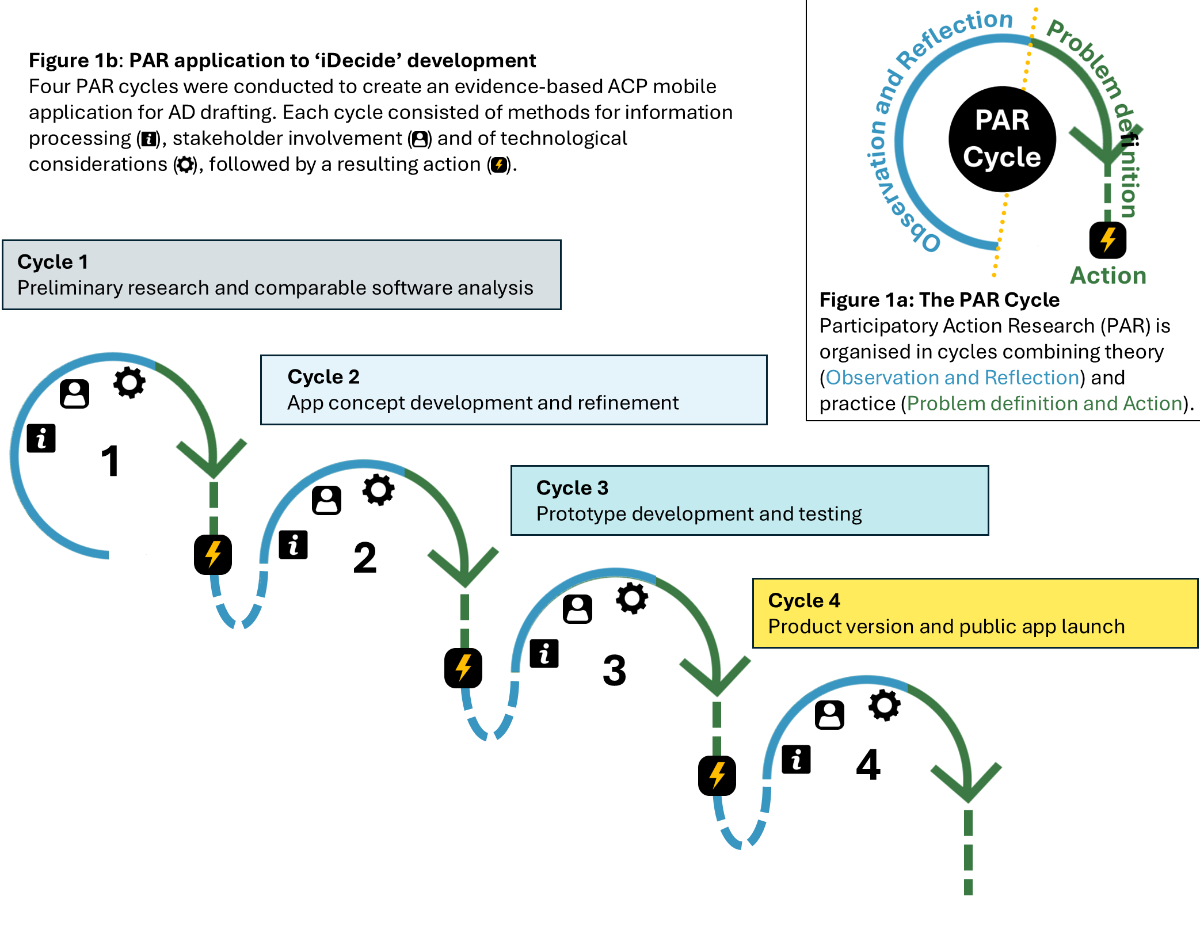
Figure 1a: The PAR Cycle: Participatory Action Research (PAR)
is organised in cycles combining theory (Observation and Reflection) and
practice (Problem definition and Action). b: Application of PAR to iDecide development.
Four PAR cycles were conducted to create an evidence-based ACP mobile
application for AD drafting. Each cycle consisted of methods for information
processing, stakeholder involvement and of technological considerations,
followed by a resulting action.
The “observation
and reflection” step was divided into three categories relevant to digital
technology development: a) Information
processing gathered evidence from literature and findings from previous
cycles, b) Stakeholder involvement
identified how to engage target groups throughout the development process and
c) Technological considerations
evaluated tech-related challenges and constraints for the next development
steps. Four PAR cycles were conducted to transform the iDecide app from an
early-stage idea into an evidence-based final product (figure 1b): 1) Literature
research and comparable software analysis, 2) App concept development and
refinement, 3) Prototype development and testing, and 4) Product version and
public app launch. The methods of each PAR cycle are detailed below (figure 2).
The in-depth methodology and analysis of the survey studies conducted in cycles
3 and 4 are available in the appendix.
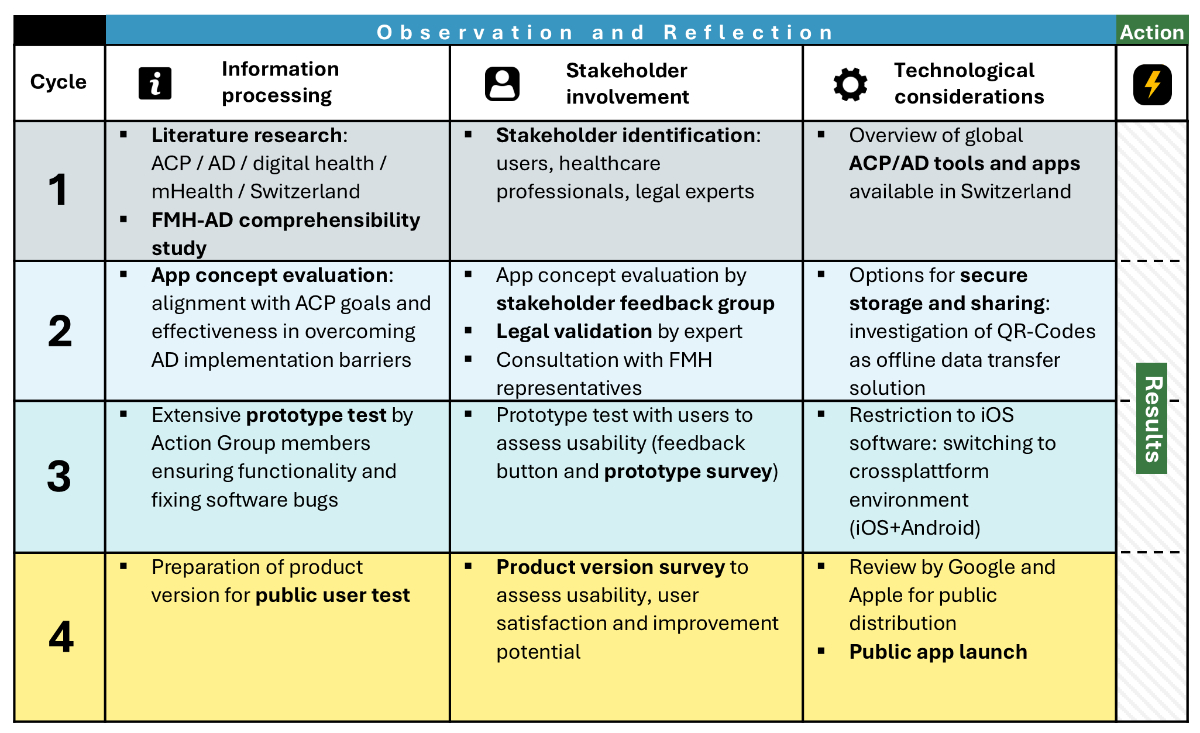
Figure 2Overview table of observation and reflection methods across
PAR cycles. Summary of methods for information processing, stakeholder involvement and
technological considerations used in each PAR cycle.
The study was conducted and supervised by an Action
Group consisting of a palliative medicine expert (SE), a communication expert
(SJF), a medical doctor (AvS) and a medical graduate (RR). The group collaborated
with patient representatives, nursing experts, intensive care unit doctors and
legal experts throughout the study.
The ethics commission of Bern canton reviewed the
project and determined that it does not fall within the scope of the Swiss Human Research
Act (HFG).
Therefore, ethical approval was not required for its conduct. Reference: ID Req-2025-00035.
Cycle 1 – Preliminary research and comparable software analysis
Information processing
A scoping literature search was conducted
on ACP and Advance Directives, their implementation in Switzerland and the use of
eHealth and
mHealth solutions to support them, using various combinations of search terms
on PubMed and Google Scholar. The detailed search strategy is provided in the
appendix. FMH-AD comprehensibility study. A
study by our institute [23]
evaluated the comprehensibility of the AD of the Swiss Medical Association (FMH-AD
short version) revised in 2022 [24]. While highlighting areas for improvement, the
AD showed good overall comprehensibility.
It therefore served as a foundation for this project.
Stakeholder involvement
Stakeholder
identification. Three main stakeholder groups were identified. The app’s primary
addressees are its target users, comprising all individuals with
decision-making capacity in Switzerland, as drafting an AD is recommended for
every person [9–11]. The
second target group includes healthcare professionals who advise patients on Advance
Directives
and are responsible for their implementation. The third group, legal experts,
reviews the digital AD’s compliance with legal requirements.
Technological considerations
A literature and online search was conducted to
identify international ACP and AD creation software. Google and Apple app stores
were searched for mobile apps offering ACP or AD services in Switzerland.
Cycle 2 – App concept development and refinement
Information processing
The findings from cycle 1 guided the
development of the iDecide app concept. The Action Group evaluated the concept for
compatibility with key ACP requirements and its effectiveness in addressing
identified barriers to AD implementation.
Stakeholder involvement
Stakeholder
feedback group. In March 2024, the app concept was presented to a feedback
group with relevant stakeholders (patient representative; physician; experts in
palliative care, nursing and communication). Members provided feedback on the app
concept in a
meeting and an online survey, focusing on usability, navigation and data
safety.Legal validation. To ensure the legal
validity of the planned digital AD format, a summary of the app concept
focusing on legal aspects was reviewed by a private law professor specialised
in Swiss family and medical law (Prof. Regina E. Aebi-Müller).Consultation with FMH representatives.
As Switzerland’s main physicians’ association, efforts were undertaken to
streamline the app with FMH objectives. In a meeting, FMH AD experts provided
insights on legal challenges, technical difficulties and lessons learned from
the 2022FMH-AD form revision [25].
Technological considerations
The Action Group evaluated options for secure
storage and sharing of Advance Directives within the app. Because of data safety concerns
with
online data storage, an offline solution using a QR code was further
investigated.
Cycle 3 – Prototype development and testing
Information processing
Based on the refined app concept, a
prototype app was developed. The prototype underwent rigorous testing by the
Action Group to ensure all intended functions were properly working and to
detect software bugs.
Stakeholder
involvement
Prototype version survey. An online survey was conducted to assess the
prototype. Participants were recruited via a flyer explaining the iDecide app
and providing access through Apple’s TestFlight beta-testing environment. The
survey was informed by the validated Mobile App Rating Scale (MARS) [26]. The
survey evaluated the prototype’s user-friendliness, the quality of educational
information and its alignment with ACP goals, such as facilitating the AD
drafting process and raising awareness about ACP. Detailed survey methodology
and results are available in the “Prototype Survey Report” in the appendix.
Feedback button. Test users could
directly report app issues and suggestions via a feedback button accessible on
all main module pages.
Technological
considerations
The
prototype was limited to iOS devices due to resource constraints. A
cross-platform framework (iOS and Android) was chosen for the product version to
ensure wider accessibility.
Cycle 4 – Product version and public app launch
Information
processing
User feedback informed the development
of the product version.The Action
Group tested and finalised the product version for a public user test, which
began in October 2024.
Stakeholder
involvement
Product version survey. To address low
participation rates in the prototype survey of cycle 3, a slightly shortened
survey was drafted to evaluate the product version. The survey, conducted in
German, consisted of 14 statements in the 5-point Likert scale format and 5 free-text
questions. It was divided into the following sections: User-friendliness,
educational information quality, concordance with ACP goals and user
demographics (age category, sex, highest educational level attained and current
occupation). Participants for the product version survey were primarily
approached in person during the Bernese City Festival on End-of-Life
Communication (October 2024) through flyer distribution and additional
participants recruited within the author’s personal network. Detailed survey methodology
and results are
available in the “Product Version Survey Report” in the appendix.
Technological
considerations
The product version had to undergo review by
Apple and Google to be accepted for public distribution.
Use of artificial
intelligence
Large language models were
used for language and grammar editing within the article (ChatGPT 4o) and to assist
with R code scripting for graph generation (Claude-Sonnet 3.5). All AI-assisted contributions
were carefully
reviewed by the authors, who assume full responsibility for the publication’s
content.
Results
The following section
summarises key findings from each PAR cycle and the actions taken as a result (figure
3).
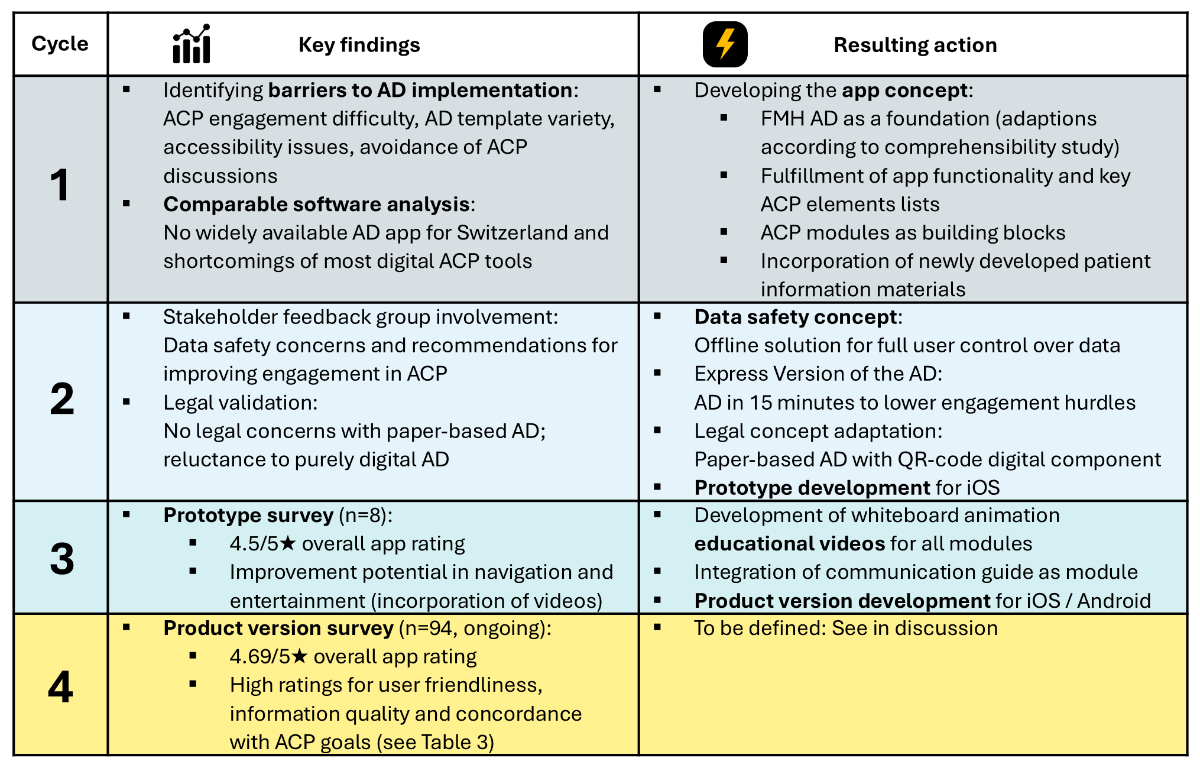
Figure 3Overview table of key findings and resulting actions across
PAR cycles.
Cycle 1 – Preliminary research and comparable software analysis
Key findings
Barriers to AD implementation in Switzerland. The literature search identified barriers to
comprehensive AD implementation
in Switzerland including patient engagement difficulties, AD template variety,
document accessibility issues and avoidance of ACP discussions by patients and
HCPs.
Engagement. Reluctance to create an AD might
stem from heavily text-based processes underlying most AD tools [27] and
limited consideration of AD benefits in young and healthy individuals.
Technology and gamification are suggested solutions to make ACP processes more
interactive and engaging [28].
AD template
variety. In
Switzerland, numerous AD templates exist [15], offering patients many options
but complicating standardisation and making AD adherence challenging for HCPs [7].
Accessibility. A major obstacle to AD implementation is limited document
accessibility in critical situations [7]. Providing solutions to access AD
information is therefore an organisational quality indicator of AD tools [9, 11].
Advance Directives should be accessible across institutions and easily shared with
surrogate
decision-makers and HCPs.
Starting
ACP discussions.
Drafting an AD should involve discussions with surrogate decision-makers, loved
ones and HCPs [4, 29]. Such discussions help surrogates represent patient
wishes better [30] and provide valuable guidance for HCPs [7].
Including communication elements in ACP interventions increases AD completion
rates, and improves concordance between care preferences and delivered care [29].
Resources to initiate discussions and facilitate communication are therefore
crucial [7].
FMH-AD comprehensibility study. The study on the revised FMH-AD with patients and physicians [23] delineated three
areas for improvement of
the current AD template: 1) Patients struggled to differentiate between short-,
medium- and long-term incapacitation. 2) Both groups found the organ donation
section challenging due to limited explanations of basic concepts, organ
preparation measures and eligible organs, relying instead on a link to the
website of the Swiss organ transplantation organisation (Swisstransplant) for
further details. 3) The “Attitudes
to life” section was generally well understood, but patients found the
free-text questions challenging to answer and sometimes struggled to see their practical
relevance.
Comparable software analysis. The
search for similar apps in Switzerland found one app, “Accordons-nous” (“Let’s
Agree”), a submodule of the University Hospital of Geneva (HUG) app “Concerto”,
which informs users about ACP but limits AD drafting to HUG patients [31]. Various
international ACP programs (web- and app-based) were reviewed and
relevant findings from their evaluations integrated into the concept. Dupont et
al. found that most internationally existing web-based ACP tools had
significant shortcomings [32].
Most tools did not fulfil the functions and ACP key elements lists outlined by
the authors and only 10% involved end-users in their development.
Resulting action
App concept. An initial app
concept was drafted to address AD barriers and meet with the functions and ACP
key elements lists described by Dupont et al. [32].
The appendix contains detailed information about iDecide’s compliance with both
lists. The app uses a modular design for quick access to the four main AD
topics: surrogate decision-maker, attitudes to life, medical treatments and
organ donation (figure 4a). Each module includes informational texts and links
to external websites. Interactive elements keep users engaged, allow
customisation, track progress and enable progress saving. Each module includes a questionnaire
for
users to state their personal preferences. User input is compiled into a PDF
that can be downloaded, shared or printed directly within the app (figure 4b).
By signing and dating the physical document, the AD becomes legally binding.
Patient information materials. Educational
information texts were developed by RR based on the transtheoretical
model of health behaviour change [33] and organised in drop-down menus,
portioning content for reading ease. Additionally, a communication guide was
integrated to help users discuss their wishes with surrogate decision-makers.
FMH-AD
content validity study: Adaptations. The following changes to the FMH-AD template were made based on the study
recommendations [23]:
- The scenarios of incapacitation were
simplified from three to two (short-term and long-term) to reduce confusion
about terminology.
- The organ donation module was rewritten entirely, based
on publicly available information by Swisstransplant [34] and in cooperation with
the local
Swisstransplant officer. It addresses changes in Swiss organ donation law,
recently transitioning from an opt-in to an opt-out model [35].
- To simplify answering the questions in
the “Attitudes to Life” section, they were converted into statements users can
agree or disagree on by swiping a lever. The calculated “attitudes” are then
visually represented in a personalised spider web diagram (radar chart) (figure
4c).
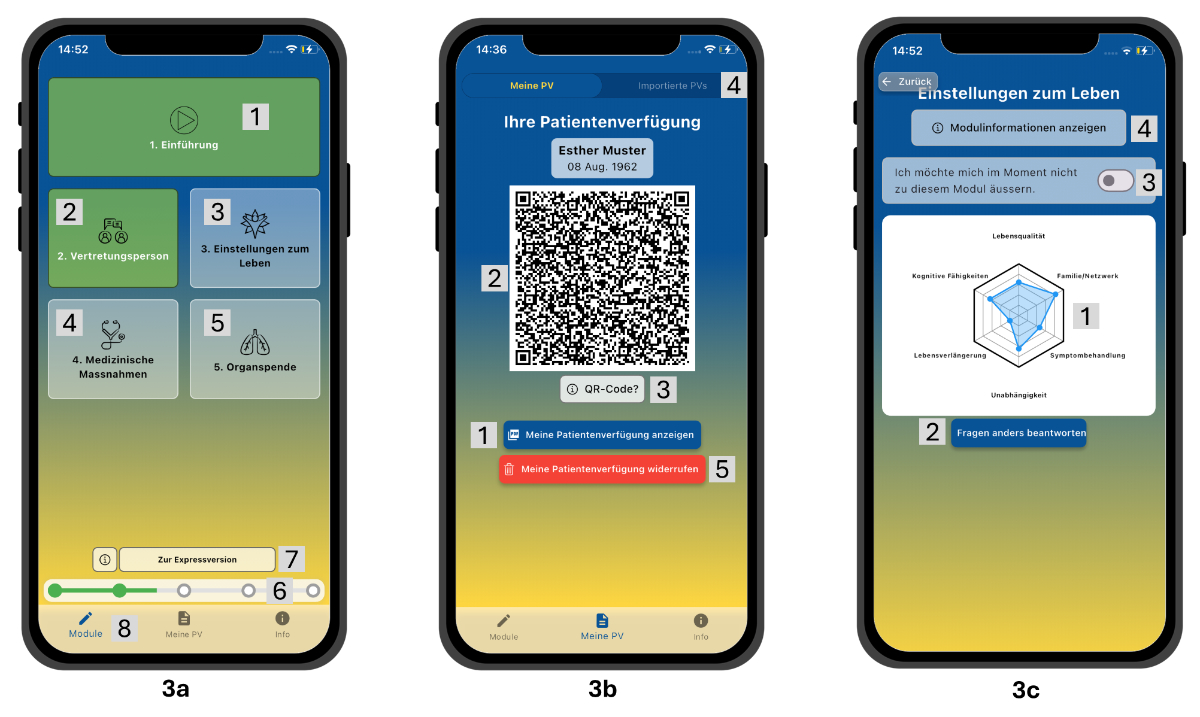
Figure 4a: Screen of the editing menu of the iDecide app, showing the five modules for
drafting an AD: (1) Introduction, (2) Surrogate decision maker, (3) Attitudes
to life, (4) Medical treatments and (5) Organ donation. Progress is visualised
by a progress bar (6) and by completed modules turning green (1, 2). A button
(7) allows switching to the Express Version or Standard Version of AD. The
navigation bar (8) at the bottom allows users to switch from the editing menu
to either the “My AD” section or to the info section providing additional
information about the app. b: Screen showing the “My AD” section of the iDecide
app. The AD can be viewed as a PDF (1) or as a personalised QR code (2)
containing all the information of the AD. Button (3) provides additional
information on how to use the QR code. Button (4) allows users to view an imported
AD or to import an AD by scanning a QR code. Button (5) allows users to recall an
AD. c: Screen of the results of the “Attitudes to life” questionnaire
module graphically representing patient values in a spider web (1), based on
user valuation of ACP statements. Categories from the graph commencing at the
top in a clockwise direction are: quality of life, family/network, treatment of
symptoms, independence, life prolongation and cognitive abilities. Button (2)
to change answers to ACP statements. Button (3) to omit an answer to each
module. Button (4) to show the module’s information again.
Cycle 2 – App concept development and refinement
Key findings
Stakeholder feedback group. The feedback group
survey indicated strong approval for the app concept; however, it highlighted
the critical importance of a robust and transparent data safety concept due to
widespread mistrust of digital solutions managing healthcare data.
Legal validation. The consulted law
professor confirmed that there were no legal concerns with the app generating a
PDF for physical printing and signing. She advised against using a solely
digital AD format, as validated digital signatures are not yet widely adopted. Representing
the AD as a signed and dated QR code card was also considered not fully
compliant with current legal standards. However, such a QR code card can serve
as a strong indicator of the person’s presumed wishes, which could prove
valuable in time-sensitive clinical decisions.
Resulting action
Data safety concept. The Action Group developed a data
safety concept, choosing an offline solution that does not require user
registration. Personal data is only saved on users’ phones to give them full
control of data handling.
Quick Start with Express Version AD. The
Express Version AD offers a 15-minute starting point for hesitant users to
engage in ACP. It focuses on appointing a surrogate decision-maker and
specifying organ donation preferences. Users are encouraged to later transition
to the Standard Version to expand their ACP.
Adaptation of the legal concept. In
response to the raised legal concerns about a purely digital AD, the Action
Group adopted a hybrid approach. An electronically generated paper-based AD, manually
signed by the user, is complemented by a personalised QR code containing the identical
information for easy sharing and visualisation. QR codes can store data offline
by representing it in a binary matrix. They can be read by most devices without
requiring additional software. The QR code serves as a strong indicator of
presumed wishes, with its legal value bound to the signed paper-based AD. The
app clarifies this to users by repeatedly reminding them that only the hand signed
AD is legally binding.
Prototype development. Based on the
refined app concept, the development of a prototype began in January 2024. Initially,
the software was created for iOS
by the volunteer PS.
Cycle 3 – Prototype development and testing
Key findings
Feedback button. Users reported functional errors (e.g.
questionnaire flaws, QR code scanning issues), suggestions for improved user
experience (e.g. font size) and content issues (e.g. text repetitions,
information overload).
Prototype survey. Eight users (n = 8)
completed the survey, rating the prototype app an average of 4.5 (SD: 0.54, 95%
CI: 4.05–4.95) on a 5-star rating system for overall satisfaction. Users
indicated a high likelihood of recommending the app. The prototype was rated
very user-friendly in terms of ease of use and structure, though navigation and
attractiveness could be improved.
Educational content was
considered highly understandable, helpful and convincing, though an excess of
information content was noted. Users felt the app made AD drafting easier and
more appealing while raising awareness of ACP, but less effective for
facilitating discussions with loved ones or HCPs. One key suggestion from users
was to add educational videos.
Resulting action
Product version development. A professional
programmer and physician (RS) was tasked with programming the product version
of the app starting in August 2024. The product version incorporated findings
from the prototype test, adding whiteboard animation educational videos to all
app modules and shortening informational texts.
Cycle 4 – Product
version and public app launch
Key findings
iDecide was
approved for public distribution in October 2024 by Apple and in December 2024
by Google. The product version is freely available for download in the Swiss
Play Store and App Store (www.iDecide.ch/download).
Product version survey: Survey results collected between 22
October 2024 and 31 January 2025 are graphically represented in figure 5.
Ninety-four (n = 94) users (59.6% female; 59.6% <30 years; 86.2% with a university
degree) completed the survey, rating the app an average of 4.69 (SD: 0.57, 95%
CI: 4.56–4.81) on a 5-star rating system for overall satisfaction. Users indicated
a high likelihood of recommending the app to others. Users rated the app as
very user-friendly (ease of use, navigation clarity, entertainment and
structure). Educational content was considered highly understandable and
helpful. The app was rated as making the AD drafting process easier and more
appealing while raising awareness of ACP. Compared to the prototype, users
rated the product version as more effective for facilitating ACP discussions
with loved ones or HCPs. An analysis of variance (ANOVA) showed no significant
age-related differences in ratings for user-friendliness and overall
satisfaction. Key suggestions by users included enabling uploads of signed Advance
Directives
and allowing the selection of multiple substitute decision-makers.
As of January 2025, the 4th
PAR development cycle remains ongoing. The ongoing user feedback collected will
be used for the future optimisation of iDecide.
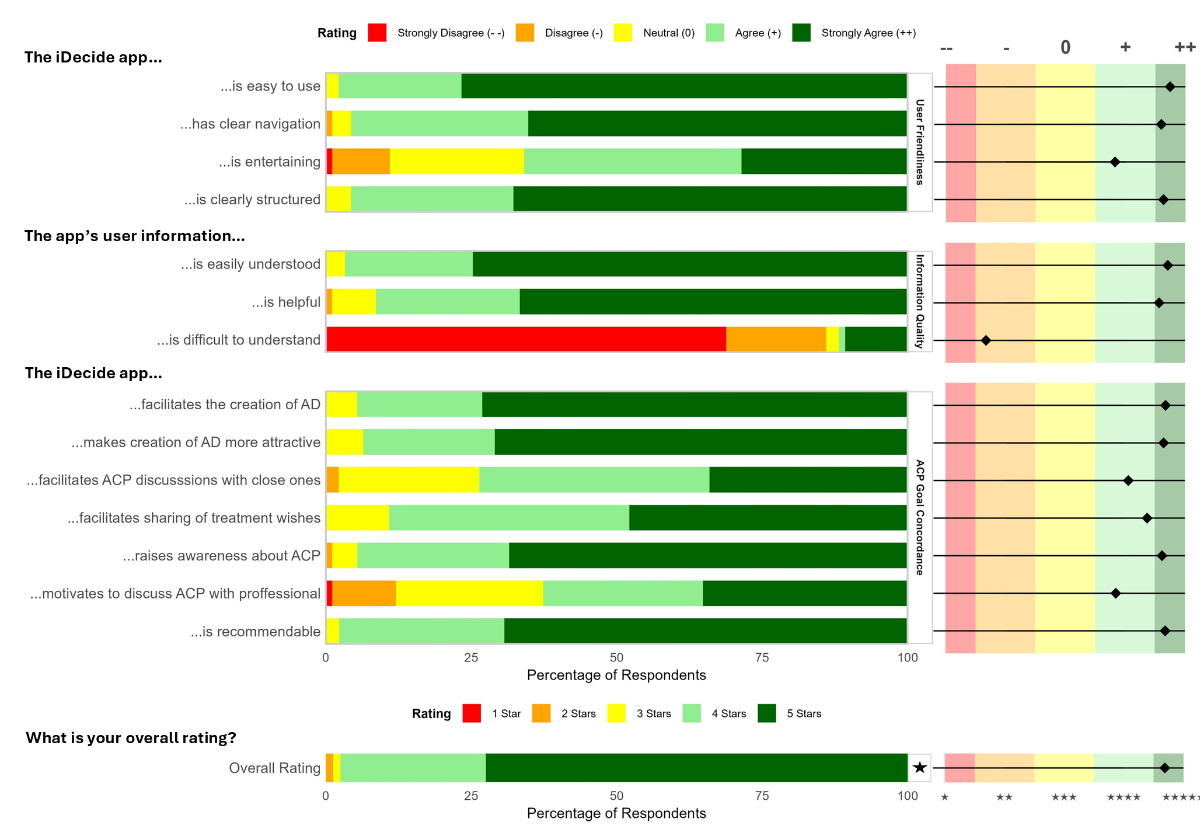
Figure 5Distribution and mean responses for the iDecide product
version survey (n = 94).
The left panel shows the percentage distribution of responses for each survey
item on a Likert scale (Strongly Disagree, 1 star, to Strongly Agree, 5 stars).
The right panel displays the mean responses for each item, plotted on a
spectrum ranging from “--" (Strongly Disagree) to “++” (Strongly Agree) or
from 1 star to 5 stars for overall rating.
Discussion
As a result of the four conducted PAR cycles, we
successfully developed iDecide, Switzerland’s first mobile application for the
general public to create an AD. User evaluations demonstrated high overall
satisfaction and confirmed the app’s user-friendliness, as well as its
potential to make AD creation more attractive. The Swiss national ACP roadmap
states the need for new ideas and practical solutions to promote ACP [4]. iDecide
represents such a solution, being a ready-to-use application freely available
to everyone. Co-created with users, the app was designed to be engaging, to
promote health literacy around AD creation and to support the articulation and
communication of care preferences. Ultimately, the app intends to offer the time-saving
possibility to create a personalised AD on mobile phones that is easily
accessible for patients, surrogates and HCPs.
The PAR
approach enabled the systematic identification and improvement of barriers to
AD implementation in Switzerland, such as engagement difficulties, AD template
variety, document accessibility issues and avoidance of ACP discussions.
Engagement
iDecide facilitates
engagement in the ACP process by leveraging the advantages of mobile
applications. Estimates assume that over 95% of the Swiss population possess a
smartphone [36], granting them
access to download iDecide, consult its contents and draft an AD at no cost.
Further, iDecide’s animation videos may make it easier to take the first ACP
steps, as interventions using educational videos have been shown to increase
ACP knowledge, behavioural intention and AD completion rates [37, 38].
Gamification has been proposed to boost ACP engagement [28]. iDecide’s spider web
graphic of users’ “Attitudes to life” aims to apply this concept to value
clarification. Survey results support these theoretical considerations, as
users reported that the app made it easier and more attractive to engage in AD
creation. They were likely to recommend the app, which might propagate
engagement through mouth-to-mouth transmission. Results were consistent
throughout age groups, indicating user-friendliness spanning all generations.
AD template variety
Variation of AD
versions contributes to confusion and difficulty for HCPs to follow a standard
procedure [7]. The iDecide AD was therefore based on the FMH-AD, which is used
nationwide [24]. Based on recommendations from an FMH-AD comprehensibility
study [23], minor adaptations were made to the official format, which appear to
be well-received by users. Further discussions with the FMH and HCPs,
particularly from emergency and intensive care departments, are needed to
promote standardisation.
Accessibility
A main focus of the national roadmap is ensuring
document accessibility across institutions, ideally integrating AD into
electronic health records [4]. Due to data safety concerns, iDecide was created
as an offline solution. That said, iDecide enables easy sharing and access to
AD content through a personalised QR code, which can also integrate with
healthcare information systems or electronic health records. This makes it a
viable solution for both the present and the future, as the electronic health
record is not yet widely used. The QR code card allows healthcare providers to
quickly access detailed AD information and substitute decision-maker contact
details. As with other reference cards, the QR code card must be interpreted
with caution, as it alone does not fulfil the legal requirements of an AD. Nonetheless,
having AD information readily available on patients’ and relatives’ phones
might in itself be a substantial contribution to accessibility, as phones are
personalised items, often constantly carried around. At this stage, we cannot
yet report on experiences in daily clinical practice.
Starting ACP discussions
Survey
results indicate that iDecide encourages users to discuss personal preferences
with surrogates and HCPs. It provides a communication guide to help users
initiate meaningful ACP discussions, improving concordance between care
preferences and delivered care [29].
Strengths and
limitations
This study’s main strength is the application of PAR
methodology, which directly involved users in the research – a fundamental
premise in ACP software development [32]. Additionally, the iDecide app
operates independently of existing infrastructure and implements a robust data
safety concept without online data storage. However, recruiting survey
participants through convenience sampling within the app carries a considerable
risk of selection bias. Users
more engaged with ACP are more likely to participate than those not engaging
with the app at all. Additionally, highly educated young individuals were
overrepresented in the sample. Furthermore, the perspectives of surrogate decision-makers
were not included and the ACP expertise of users was not assessed. iDecide supports
users in updating their AD by
providing clear instructions on how to replace old versions. Still, the
circulation of multiple versions remains a potential limitation of AD. While
the app was demonstrated to be user-friendly, user-friendliness alone does not
ensure the quality or clinical applicability of an AD; therefore, future
studies should examine the qualitative content and real-world implementation of
Advance Directives created with iDecide.
Further
development and future potential
To ensure nationwide accessibility, translation from
German into the other national languages should soon follow. Additionally, a
linking possibility to integrate AD information into healthcare information
systems is needed. A joint study with general practitioners (GP) could assess the
app’s effectiveness in clinical practice. GPs have limited time to support
patients in drafting their AD. iDecide could support them by assisting with
informational tasks, allowing GPs to focus on revising the drafted documents
for medical clarity and conciseness. Future development should address the
overrepresentation of highly educated young users and improve accessibility,
particularly for older adults and individuals from diverse educational
backgrounds. While apps can support engagement and informational tasks, a
complete ACP process still requires discussions with HCPs. Given the importance
of such facilitated discussions for effective ACP, it is important to further
strengthen the app’s capacity to encourage and support such exchanges. Although
tailored to Switzerland’s healthcare and legal context, the app’s decentralised
documentation method works on an international scale. App contents can be
adapted to other regional, cultural and legal contexts.
Conclusion
The iDecide mobile application for AD complies with
the national roadmap for ACP implementation and checklists for ACP digital tool
development. It effectively addresses barriers to widespread AD implementation
in Switzerland. By encoding the AD as a QR code, it strengthens AD
accessibility for surrogate decision-makers and HCPs. Survey results confirm
high usability and user satisfaction with the app throughout age groups,
consistent with the research aim. iDecide could therefore transform how
individuals engage with ACP. In the future, research collaboration and funding
will be essential to realise the app’s full potential as a tool empowering
people to make their medical wishes known and accessible when needed.
Data availability statement
Deidentified raw survey data and app-related usability
data supporting the findings of this study was made publicly available on 6 January
2026 via the Zenodo repository (https://doi.org/10.5281/zenodo.18147732). The
shared dataset consists of fully anonymised CSV files derived from survey-based
usability studies conducted among users of the iDecide advance directive app
and includes all data elements necessary to reproduce the analyses reported in
the manuscript. No names, contact details or other personally identifiable
information are included. The data is available without restriction to all
users for purposes such as reanalysis, replication and secondary research and
will remain accessible indefinitely, subject to continued hosting by the
repository.
Acknowledgements
The authors would like to
thank the countless individuals (patient representatives, healthcare
professionals and experts) whose invaluable contributions enabled the
realisation of the iDecide project. Special thanks go to Prof. Dr Regina E.
Aebi-Müller (RA), University of Lucerne, for her pivotal role in the legal
validation of iDecide, Patrick Schneier (PS) for his selfless and voluntary
efforts to programme a working prototype, Antoinette von Segesser for countless
brainstorming sessions, and Ronaldo Schmied (RS) and Jana Siroka from the FMH.
Prof. Dr. med. Steffen Eychmüller
University Centre for Palliative Care (UZP)
Bern
University Hospital
University of Bern
Anna-Seiler-Allee 24
CH-3010 Bern
steffen.eychmüller[at]insel.ch
References
1. Brinkman-Stoppelenburg A, Rietjens JA, van der Heide A. The effects of advance care
planning on end-of-life care: a systematic review. Palliat Med. 2014 Sep;28(8):1000–25.
10.1177/0269216314526272
2. Rietjens JA, Sudore RL, Connolly M, van Delden JJ, Drickamer MA, Droger M, et al.;
European Association for Palliative Care. Definition and recommendations for advance
care planning: an international consensus supported by the European Association for
Palliative Care. Lancet Oncol. 2017 Sep;18(9):e543–51. 10.1016/S1470-2045(17)30582-X
3. Bundesrat der Schweizerischen Eidgenossenschaft. Bessere Betreuung und Behandlung
von Menschen am Lebensende: Bericht des Bundesrates in Erfüllung des Postulates 18.3384
der Kommission für soziale Sicherheit und Gesundheit des Ständerats (SGK-SR) vom 26.
April 2018. Bern: Bundeskanzlei; 2020.
4. Nationale AG. Roadmap für die Umsetzung der Gesundheitlichen Vorausplanung (GVP) in
der Schweiz. Bern: Bundesamt für Gesundheit (BAG) und Schweizerische Akademie der
Medizinischen Wissenschaften (SAMW); 2023.
5. Schweizer Akademie der medizinischen Wissenschaften. Medizin-ethische Richtlinien
und Empfehlungen - Patientenverfügungen [Internet]. Basel: SAMW; 2020 [cited 2024
Dec 2]. Available from: https://www.samw.ch/de/Publikationen/Richtlinien.html
6. Biller-Andorno N, Biller A. The Advance Care Compass- A New Mechanics for Digitally
Transforming Advance Directives. Front Digit Health. 2021 Oct;3:753747. 10.3389/fdgth.2021.753747
7. Hemsley B, Meredith J, Bryant L, Wilson NJ, Higgins I, Georgiou A, et al. An integrative
review of stakeholder views on Advance Care Directives (ACD): barriers and facilitators
to initiation, documentation, storage, and implementation. Patient Educ Couns. 2019 Jun;102(6):1067–79.
10.1016/j.pec.2019.01.007
8. McMahan RD, Knight SJ, Fried TR, Sudore RL. Advance care planning beyond advance directives:
perspectives from patients and surrogates. J Pain Symptom Manage. 2013 Sep;46(3):355–65.
10.1016/j.jpainsymman.2012.09.006
9. Berkowitz CM, Ma J, Lowe J, Dolor RJ. Assessing Quality in Advance Care Planning Documentation:
A Survey of Current Methods. Am J Hosp Palliat Care. 2022 Aug;39(8):945–50. 10.1177/10499091211060341
10. Vilpert S, Meier C, Berche J, Borasio GD, Jox RJ, Maurer J. Older adults’ medical
preferences for the end of life: a cross-sectional population-based survey in Switzerland.
BMJ Open. 2023 Jul;13(7):e071444. 10.1136/bmjopen-2022-071444
11. Bundesamt für Gesundheit BAG und palliative ch. Gesundheitliche Vorausplanung mit
Schwerpunkt «Advance Care Planning». Nationales Rahmenkonzept für die Schweiz. Bern:
Bundesamt für Gesundheit; 2018.
12. Vilpert S, Borrat-Besson C, Maurer J, Borasio GD. Awareness, approval and completion
of advance directives in older adults in Switzerland. Swiss Med Wkly. 2018 Jul;148(2930):w14642–14642.
10.4414/smw.2018.14642
13. Schweiz PS, editor. Selbstbestimmen bei Urteilsunfähigkeit – Zahlen und Fakten [Internet]Zürich:
Pro Senectute Schweiz; 2017., Available from https://gfs-zh.ch/wp-content/uploads/2017/10/Zahlen-und-Fakten-zur-Selbstbestimmung-bei-Urteilsunf%C3%A4higkeit.pdf[ [cited 2024 Dec 2]].
14. Stettler P, Bischof S, Bannwart L. Bevölkerungsbefragung Palliative Care 2017: Ergebnisse
der Befragung 2017 und Vergleich zur Erhebung von 2009. Bern: Bundesamt für Gesundheit;
2018.
15. Otte IC, Elger B, Jung C, Bally KW. The utility of standardized advance directives:
the general practitioners’ perspective. Med Health Care Philos. 2016 Jun;19(2):199–206.
10.1007/s11019-016-9688-3
16. McDarby M, Llaneza D, George L, Kozlov E. Mobile Applications for Advance Care Planning:
A Comprehensive Review of Features, Quality, Content, and Readability. Am J Hosp Palliat
Care. 2021 Aug;38(8):983–94. 10.1177/1049909120959057
17. Duffy A, Christie GJ, Moreno S. The Challenges Toward Real-world Implementation of
Digital Health Design Approaches: narrative Review. JMIR Hum Factors. 2022 Sep;9(3):e35693.
10.2196/35693
18. Baum F, MacDougall C, Smith D. Participatory action research. J Epidemiol Community
Health. 2006 Oct;60(10):854–7. 10.1136/jech.2004.028662
19. Bradbury H, editor. The SAGE Handbook of Action Research [Internet]3rd ed. London:
SAGE Publications Ltd; 2015., Available from https://methods.sagepub.com/book/the-sage-handbook-of-action-research-3e[ [cited 2024 Nov 5]]. 10.4135/9781473921290
20. White GW, Suchowierska M, Campbell M. Developing and systematically implementing participatory
action research. Arch Phys Med Rehabil. 2004 Apr;85(4 Suppl 2):S3–12. 10.1016/j.apmr.2003.08.109
21. Patrick K, Hekler EB, Estrin D, Mohr DC, Riper H, Crane D, et al. The Pace of Technologic
Change: Implications for Digital Health Behavior Intervention Research. Am J Prev
Med. 2016 Nov;51(5):816–24. 10.1016/j.amepre.2016.05.001
22. Morton E, Barnes SJ, Michalak EE. Participatory digital health research: A new paradigm
for mHealth tool development. Gen Hosp Psychiatry. 2020;66:67–9. 10.1016/j.genhosppsych.2020.07.005
23. Fitze T. Überprüfung der Verständlichkeit der FMH-Patientenverfügung Kurzversion [Internet]Bern:
University of Bern; 2024.[ [cited 2024 Dec 2]], Available from https://palliativzentrum.insel.ch/fileadmin/Palliativzentrum/Dokumente/Publikationen/Masterarbeit_Tamara_Fitze.pdf
24. FMH (Foederatio Medicorum Helveticorum). Patientenverfügung FMH – Kurzversion [Internet].
2022 [cited 2025 Oct 16]. Available from: https://www.fmh.ch/files/pdf27/fmh-patientenverfuegung-kurz-de.pdf
25. Hartmann C. Neue Patientenverfügung FMH [Internet]. Schweizerische Ärztezeitung. 2022
[cited 2024 Nov 28]. Available from: https://saez.swisshealthweb.ch/de/article/doi/saez.2022.21104
26. Stoyanov SR, Hides L, Kavanagh DJ, Zelenko O, Tjondronegoro D, Mani M. Mobile app
rating scale: a new tool for assessing the quality of health mobile apps. JMIR Mhealth
Uhealth. 2015 Mar;3(1):e27. 10.2196/mhealth.3422
27. Biller A, Biller-Andorno N. From text to interaction: the digital advance directive
method for advance directives. Digit Health. 2023 Jan;9:20552076221147414. 10.1177/20552076221147414
28. Ferreira J, Ferreira M, Fernandes CS, Castro J, Campos MJ. Digitisation of patient
preferences in palliative care: mobile app prototype. BMJ Support Palliat Care. 2023 Aug 18;spcare-2023-004516.
doi: 10.1136/spcare-2023-004516.
29. Houben CH, Spruit MA, Groenen MT, Wouters EF, Janssen DJ. Efficacy of advance care
planning: a systematic review and meta-analysis. J Am Med Dir Assoc. 2014 Jul;15(7):477–89.
10.1016/j.jamda.2014.01.008
30. Haesen S, Shaw D. Directing citizens to create advance directives. Swiss Medical Weekly.
2018 May 16;148(1920):w14628–w14628. doi: 10.4414/smw.2018.14628.
31. Schöpfer C, Ehrler F, Berger A, Bollondi Pauly C, Buytaert L, De La Serna C, et al. A
Mobile App for Advance Care Planning and Advance Directives (Accordons-nous): Development
and Usability Study. JMIR Hum Factors. 2022 Apr;9(2):e34626. 10.2196/34626
32. Dupont C, Smets T, Monnet F, Pivodic L, De Vleminck A, Van Audenhove C, et al. Publicly
Available, Interactive Web-Based Tools to Support Advance Care Planning: systematic
Review. J Med Internet Res. 2022 Apr;24(4):e33320. 10.2196/33320
33. Prochaska JO, Velicer WF. The transtheoretical model of health behavior change. Am
J Health Promot. 1997;12(1):38–48. 10.4278/0890-1171-12.1.38
34. Swisstransplant. Informationsmaterial - Swisstransplant [Internet]. 2025 [cited 2025
Apr 15]. Available from: https://www.swisstransplant.org/de/informationsmaterial
35. Bundesamt für Gesundheit (BAG). Organspende: Zustimmungslösung oder Widerspruchslösung
[Internet]. 2023 [cited 2024 Dec 4]. Available from: https://www.bag.admin.ch/bag/de/home/medizin-und-forschung/transplantationsmedizin/willensaeusserung-zur-spende-von-organen-geweben-zellen/zustimmungsmodelle-in-der-transplantationsmedizin.html
36. Statista. Statistiken zur Smartphone-Nutzung in der Schweiz [Internet]. Hamburg: Statista
GmbH. 2024 [cited 2024 Dec 3]. Available from: https://de.statista.com/themen/3581/smartphone-nutzung-in-der-schweiz/
37. Lin LH, Cheng HC, Chen YC, Chien LY. Effectiveness of a video-based advance care planning
intervention in hospitalized elderly patients: A randomized controlled trial. Geriatr
Gerontol Int. 2021 Jun;21(6):478–84. 10.1111/ggi.14158
38. Kang E, Lee J, Choo J, Min J, Yun YH. Randomized Controlled Trial of Advance Care
Planning Video Decision Aid for the General Population. J Pain Symptom Manage. 2020 Jun;59(6):1239–47.
10.1016/j.jpainsymman.2019.12.353
Appendix
The appendix is available in the pdf version of the article at https://doi.org/10.57187/4775.