Expanding hepatocellular carcinoma surveillance strategies in high-risk patients in
Switzerland: a cost-effectiveness analysis
DOI: https://doi.org/https://doi.org/10.57187/4469
Nicolas Goossensa,
Osvaldo Ulises Garayb,
Cyrill Wolfc,
Louisa Elena Ambühlbd,
Vanessa Kuglere,
François R. Girardinf
a Division of
Gastroenterology and Hepatology and Division of Transplantation, Geneva
University Hospitals, Geneva, Switzerland
b Global Access
& Policy, Roche Diagnostics International, Rotkreuz, Switzerland
c Roche Diagnostics
(Schweiz) AG, Switzerland
d Department of
Chemistry, University of Zurich, Zurich, Switzerland
e Roche Pharma
(Schweiz) AG, Basel, Switzerland
f Head of Division
of Clinical Pharmacology, Department of Internal Medicine & Department of
Laboratory Medicine and Pathology, Lausanne University Hospital (CHUV),
Lausanne, Switzerland
Summary
BACKGROUND: European and Swiss guidelines recommend
hepatocellular carcinoma surveillance of high-risk patients every 6
months using ultrasound (US), with/without α-fetoprotein (AFP). Other surveillance
strategies are available, but evidence of their comparative cost-effectiveness
is lacking. This study evaluated the cost-effectiveness of current hepatocellular
carcinoma surveillance strategies in Switzerland, including the novel GAAD (gender
[biological sex], age, α-fetoprotein, protein induced by vitamin K
absence or antagonist-II [PIVKA-II]) serum-based algorithm in high-risk
patients.
METHODS: A micro-simulated Markov model estimated the cost-effectiveness
of hepatocellular carcinoma surveillance strategies (no surveillance, US,
US+AFP, GAAD) performed at 6-monthly intervals in a simulated cohort of 100,000
patients with compensated liver cirrhosis over a lifetime horizon. Performance
parameters were sourced from published meta-analyses and multicentre study
data. Epidemiological parameters were estimated based on literature identified
during a previous systematic literature review. Similarly, utility parameters
were sourced from published literature. Costs were sourced from TARMED, the
Analysis List, the Swiss Federal Statistical Office, publicly available data
and published literature. Primary outcomes were life years lived,
quality-adjusted life years, and costs per patient and per cohort. The cost-effectiveness
of each strategy was analysed through incremental cost-effectiveness ratios at
a cost-effectiveness threshold of Swiss Franc (CHF) 100,000/quality-adjusted
life year.
RESULTS: Overall, the total costs and quality-adjusted life years per
patient, respectively, were CHF 43,493.61 and 5.893 for no surveillance; CHF 48,702.79
and 6.018 for US; CHF 49,980.60 and 6.042 for US+AFP; and CHF 49,983.10 and 6.048
for GAAD. Compared with US+AFP and US alone, GAAD was cost-effective, with
higher quality-adjusted life years and the highest rate of early-stage hepatocellular
carcinoma detection (56%). Compared with no surveillance, incremental
cost-effectiveness ratios for US, US+AFP and GAAD were considered to be
cost-effective, ranging from CHF 41,509.01 to CHF 43,321.81.
CONCLUSIONS: The current model indicates that
hepatocellular carcinoma surveillance with any of these strategies was
cost-effective in Switzerland. GAAD was nearly cost-neutral versus US+AFP, although
these
findings were dependent on the performance of GAAD and operator-dependent US
combined with AFP. Compared with US alone, GAAD was the most cost-effective
strategy. Further investigations are required to confirm these findings and to
optimise hepatocellular carcinoma surveillance.
Introduction
Hepatocellular
carcinoma (HCC) accounts for approximately 90% of primary liver cancer cases
and a third of all cancer-related deaths globally [1, 2]. Studies have shown
that in Switzerland there were 910 deaths caused by hepatocellular carcinoma in
2020 alone (age-standardised rate: 4.0 per 100,000) [3]. The primary risk
factor for the development of hepatocellular carcinoma is cirrhosis caused by
underlying chronic liver disease, such as metabolic dysfunction-associated
steatotic liver disease (MASLD), hepatitis B virus (HBV) or hepatitis C virus (HCV)
infection [1, 4–8]. However, as hepatocellular carcinoma is often asymptomatic
in the early stages, timely diagnosis is rare [9]. As such, prognosis tends to
be poor, as patients are often no longer suitable for surgical resection or
liver transplantation by the time hepatocellular carcinoma is detected [9, 10].
Active surveillance of patients with certain high-risk aetiologies has been
shown to improve overall survival by identifying tumours at an earlier stage
and thereby enabling treatments to be initiated [11, 12].
Current guidelines recommend hepatocellular carcinoma
surveillance with abdominal ultrasound (US) every 6 months in patients at risk
of hepatocellular carcinoma. Research has shown that the diagnostic accuracy of
US alone for the detection of hepatocellular carcinoma is poor, with the
results of a meta-analysis demonstrating that US had a sensitivity of only 45%
for the detection of early-stage hepatocellular carcinoma [13]. Several studies
have suggested that serum biomarkers, such as α-fetoprotein (AFP) and protein induced
by vitamin K absence or
antagonist-II (PIVKA-II),
have the potential to support a diagnosis of hepatocellular carcinoma [14, 15].
As such, European Association for the Study of the Liver guidelines recommend lifelong
hepatocellular carcinoma surveillance with abdominal US, with or without AFP, in
patients with cirrhosis, as long as they remain eligible for curative or
disease-modifying treatment [16, 17]. The Swiss Association for the Study of
the Liver recommends US, with or without AFP, for the surveillance of patients
at risk of hepatocellular carcinoma, similar to practice guidance issued by the
American Association for the Study of Liver Diseases [18, 19]. When used in
combination, these surveillance strategies result in increased sensitivity for
the detection of hepatocellular carcinoma compared with US alone, but with
reduced specificity [20]. While the diagnostic value of AFP in isolation is
debatable [21], combining AFP and PIVKA-II has been shown to improve detection
of hepatocellular carcinoma compared with either biomarker alone [22].
GAAD (gender [biological sex], age, AFP,
PIVKA-II]), a serum-based algorithm, is a novel in vitro diagnostic tool that combines gender (biological
sex) and age with the serum biomarkers AFP and PIVKA-II
(previously des-gamma carboxyprothrombin) to produce a semi-quantitative
result. Notably, the GAAD algorithm has shown similar clinical performance for
the diagnosis of hepatocellular carcinoma as the established GALAD algorithm,
which combines the components of GAAD plus another biomarker, Lens culinaris agglutinin-reactive fraction of AFP (AFP-L3) [23].
Despite guideline recommendations,
outside of tertiary centres, surveillance programmes are not always implemented
owing to factors such as limited knowledge of guidelines in primary care,
leading to some high-risk patients not being referred for surveillance.
Additionally, patient-reported barriers to surveillance completion, such as
scheduling difficulties and transportation concerns, have also been
acknowledged [24]. Therefore, novel cost-effective surveillance strategies are
needed to improve adherence to hepatocellular carcinoma surveillance. The
objective of the current study was to perform a cost-effectiveness analysis of
current hepatocellular carcinoma surveillance strategies in Switzerland,
including the novel GAAD algorithm, in patients with compensated liver
cirrhosis.
Materials and methods
Model structure
A
micro-simulated Markov model was used to estimate the costs and performance of hepatocellular
carcinoma surveillance strategies from the perspective of the Swiss healthcare
system. The model was based on a recently published UK cost-effectiveness analysis
in patients with compensated liver cirrhosis [25]. Each health state was associated
with costs and health-related quality of life weights, with arrows representing
transition probabilities (figure 1). A simulated cohort of 100,000 patients aged ≤75
years
with compensated liver cirrhosis with any of the four underlying cirrhosis aetiologies
(alcohol-associated liver disease [ALD], HBV, HCV or MASLD) were considered
eligible for hepatocellular carcinoma surveillance and included in the model.
The following surveillance strategies were evaluated: no surveillance,
surveillance with US, surveillance with US+AFP and surveillance with GAAD
alone. Active surveillance was performed at 6-month intervals. Patients were
simulated individually, and outcomes were obtained for a lifetime horizon on a
6-month cycle. Disease stage was scored using the Barcelona Clinic Liver Cancer
staging system, with stages 0/A representing early-stage hepatocellular
carcinoma, and B/C/D representing late-stage hepatocellular carcinoma. In the
simulation, patients started in the “compensated liver cirrhosis” state and
either developed decompensated liver cirrhosis, developed early-stage hepatocellular
carcinoma (Barcelona Clinic Liver Cancer stage 0/A undetected), which could
progress to late-stage hepatocellular carcinoma (B/C/D undetected), or death (figure
1).

Model structure. *Treatment: liver transplantation, resection,
radiofrequency thermal ablation, transarterial chemoembolisation, systemic
therapy, best supportive care. Treatment for patients with decompensated liver
cirrhosis liver transplantation or best supportive care only. Arrows indicate
progression of patients through different states throughout the simulation. 1L:
first-line; 2L: second-line; 3L: third-line; DCLC: decompensated liver
cirrhosis; HCC: hepatocellular carcinoma.
Detection occurred in all stages via active surveillance or incidentally;
incidental detection was assumed to be higher for late-stage hepatocellular
carcinoma. The probability of progression from early- to late-stage hepatocellular
carcinoma was predicted using expected tumour volume doubling times and assumed
baseline tumour sizes. Adherence to hepatocellular carcinoma surveillance was
assumed based on probability of attendance. Patients who developed decompensated
liver cirrhosis either moved to the “waiting list” for liver transplantation,
remained in the “decompensated liver cirrhosis” state until death or moved to
the “hepatocellular carcinoma” state. The probability of tumour detection under
surveillance was based on the probability of attendance at appointments, the
diagnostic performance of the surveillance strategy used, and the probability
of incidental/symptomatic detection. All patients with a positive test for hepatocellular
carcinoma underwent confirmatory screening. After hepatocellular carcinoma
diagnosis, patients received one of six possible first-line treatments:
resection, orthotopic liver transplantation, radiofrequency ablation,
transarterial chemoembolisation, best supportive care or systemic treatment.
Patients eligible for orthotopic liver transplantation moved to the “waiting
list” state, where the outcome was predicted according to stage-specific
mortality. Based on calculated probability, patients could also receive any of
the above treatments as second- or third-line therapy. Patients treated for hepatocellular
carcinoma moved back into the “decompensated liver cirrhosis” state of the
model (based on a survival probability for post-hepatocellular carcinoma
treatment) unless they received orthotopic liver transplantation. The model
assumed that no patient died with undetected hepatocellular carcinoma and that
all patients diagnosed with and treated for hepatocellular carcinoma received
palliative care in the last cycle of life.
Model
parameters are reported in tables 1–3. Epidemiological and performance
parameters are reported in table 1. Epidemiological parameters were estimated
based on literature identified during a previous systematic literature review [25].
Adherence to surveillance
was set at 52.0% (38.0–63.0%) for each surveillance strategy [26]. Performance
of GAAD was based on data from the results of a multicentre analysis, in line with
a previous UK-based cost-effectiveness analysis [23, 25]. Performance of US and
US+AFP was based on the Tzartzeva et al. meta-analysis in 2018 [13]. Utility
parameters (table 2) included health-related quality of life weights for all
health states and palliative care, and they fell between 0 and 1, where 0
corresponded with death and 1 with perfect health. Utility parameters were
sourced from published literature [27, 28]. Cost parameters (table 3) included
costs for all surveillance strategies, together with treatment-related costs
for compensated and decompensated liver cirrhosis, hepatocellular carcinoma
confirmatory testing (true and false positive test results), symptomatic
detection, follow-up and treatment. Further information on the management of false-positive
results is reported in the appendix (page 2) and in appendix figure S1. All
costs were obtained from Swiss sources: TARMED 2025 tariffs [29], the Analysis
List [30], the Swiss Federal Statistical Office [31], publicly available data [32,
33] and published literature [34, 35]. Costs from published literature were not
adjusted for inflation [34, 35].
Table 1Model parameters: epidemiology, surveillance and
treatment.
| Parameters |
Base
case (minimum to maximum) |
Source |
| Age
at start of surveillance in years (95% CI) |
CLC (ALD) |
50.00 (34.81–73.23) |
Base case: Kim et al., 2019 [38]. Range: Garay et al., 2024 [25] |
| CLC (HBV) |
50.00 (21.83–67.70) |
Base case: Kim et al., 2019 [38]. Range: Garay et al., 2024 [25] |
| CLC (HCV) |
50.00 (30.84–71.22) |
Base case: Kim et al., 2019 [38]. Range: Garay et al., 2024 [25] |
| CLC (MASLD) |
50.00 (43.81–84.19) |
Base case: Kim et al., 2019 [38]. Range: Garay et al., 2024 [25] |
| Upper age limit for surveillance in years
(95% CI) |
75.00 (70.00–80.00) |
Assumption based on UK analysis [25] |
| Annual
incidence of HCC, % (95% CI) |
CLC (ALD) |
1.10% (0.99–1.21%) |
Marot et al., 2017 [39] |
| CLC (HBV) |
3.35% (3.02–3.69%) |
Thiele et al., 2014 [40] |
| CLC (HCV) |
2.90% (2.61–3.19%) |
Marot et al., 2017 [39] |
| CLC (MASLD) |
3.10% (2.79–3.41%) |
Marot et al., 2017 [39] |
| Annual
incidence of DCLC, % (95% CI) |
CLC (ALD) |
7.30% (6.50–8.20%) |
NICE guideline NG50 [41]; Fleming et al.,
2010 [42] |
| CLC (HBV) |
5.00% (4.50–5.50%) |
NICE guideline NG50 [41]; Dakin et al.,
2010 [43] |
| CLC (HCV) |
4.00% (3.60–4.40%) |
NICE guideline NG50 [41]; Wright et al.,
2006 [44] |
| CLC (MASLD) |
3.80% (3.42–4.18%) |
Estes et al., 2018 [45] |
| DCLC-related
parameters, % (95% CI) |
DCLC after HCC treatment |
15.50% (13.95–17.05%) |
Kondo et al., 2022 [46] |
| DCLC, listed for OLT |
3.00% (2.40–3.60%) |
Assumption |
| Annual
incidental detection, % (95% CI) |
HCC 0/A |
6.85% (0.00–23.25%) |
Thompson et al., 2007 [47] |
| HCC B/C/D |
31.05% (0.00–65.15%) |
| Diagnostic
performance by HCC stage in patients with cirrhosis: US, % (95% CI) |
Sensitivity, early |
47.00% (33.00–61.00%) |
Tzartzeva et al., 2018 [13] |
| Specificity, early |
91.00% (86.00–94.00%) |
| Sensitivity, all |
84.00% (76.00–92.00%) |
| Specificity, all |
91.00% (86.00–94.00%) |
| Diagnostic
performance by HCC stage in patients with cirrhosis: US+AFP, % (95% CI) |
Sensitivity, early |
63.00% (48.00–75.00%) |
Tzartzeva et al., 2018 [13] |
| Specificity, early |
84.00% (77.00–89.00%) |
| Sensitivity, all |
97.00% (91.00–99.00%) |
| Specificity, all |
84.00% (77.00–89.00%) |
| Diagnostic
performance by HCC stage in patients with cirrhosis: GAAD, % (95% CI) |
Sensitivity, early |
67.40% (58.80–75.20%) |
Subanalysis from Piratvisuth et al., 2023 [23],
published in Garay et al., 2024 [25]. See appendix table S6. |
| Specificity, early |
86.60% (78.90–92.30%) |
| Sensitivity, all |
81.90% (76.90–86.20%) |
| Specificity, all |
86.60% (78.90–92.30%) |
| Treatment
distribution for early-stage HCC detected, % (95% CI) |
OLT |
5.34% (4.81–5.87%) |
Kirstein et al., 2017 [48] |
| Resection |
22.33% (20.10–24.56%) |
| RFA |
39.32% (35.39–43.25%) |
| TACE |
18.93% (17.04–20.83%) |
| SYS |
3.88% (3.50–4.27%) |
| BSC |
10.19% (9.17–11.21%) |
| Treatment
distribution for late-stage HCC detected, % (95% CI) |
OLT |
1.18% (1.06–1.29%) |
Kirstein et al., 2017 [48] |
| Resection |
19.69% (17.72–21.65%) |
| RFA |
10.99% (9.89–12.09%) |
| TACE |
28.12% (25.31–30.94%) |
| SYS |
14.06% (12.66–15.47%) |
| BSC |
25.96% (23.37–28.56%) |
| OLT waiting time (in 6-month cycles) |
3.00 |
Schwab
et al., 2024 [49] |
Table 2Model parameters: utility
weights (QoL).
| Parameters |
Base
case (minimum to maximum) |
Source |
| CLC |
0.75 (0.68–0.83) |
McLernon et al., 2008 [27] |
| DCLC |
0.67 (0.60–0.74) |
McLernon et al., 2008 [27] |
| HCC undetected |
0.75 (0.68–0.83) |
Assumed asymptomatic and equal to CLC |
| Waiting list |
0.70 (0.63–0.77) |
McLernon et al., 2008 [27] |
| OLT and post |
0.71 (0.64–0.78) |
McLernon et al., 2008 [27] |
| Resection and post |
0.70 (0.63–0.77) |
Lima et al., 2019 [28] |
| RFA and post |
0.76 (0.68–0.84) |
| TACE and post |
0.65 (0.59–0.72) |
| BSC and post |
0.40 (0.36–0.44) |
| SYS |
0.76 (0.68–0.84) |
| Palliative |
0.40 (0.36–0.44) |
Table 3Model parameters: costs.
| Parameter |
Base
case (minimum to maximum) |
Source |
| Surveillance
costs, CHF (95% CI) |
US |
121.00 (110.00–131.00) |
Determined using the average from TARMED
codes for non-radiologists (TARMED codes: 39.3250, 39.3800, 39.0020) and
radiologists (TARMED codes: 39.3250, 39.3800, 39.0015) [29] |
| AFP |
17.40* |
Determined via the official “List of
analyses with tariff”; code 1034.00 [30] |
| GAAD |
139.00 (111.20–166.80) |
As GAAD is not reimbursed in Switzerland,
the assumption was based on the medical value of GAAD and analogues based on the
“List of analyses with tariff” [30] |
| Confirmatory testing costs, CHF |
CT |
203 |
Determined using TARMED code (39.4080) [29] |
| MRI |
296 |
Determined using TARMED code (39.5060) [29] |
| Treatment
costs, CHF (95% CI) |
CLC (annual) |
2715.00 (1841.00–3806.00) |
Blach et al., 2019 [35] |
| DCLC (annual) |
20,347.00 (16,561.00–24,517.00) |
Pfeil et al., 2015 [34] |
| True positive for HCC |
615.00 (553.50–676.50) |
See appendix page 2 |
| False positive for HCC |
824.00 (741.60–906.40) |
| Incidental diagnosis |
412.00 (370.80–453.20) |
| Follow-up after HCC, per cycle |
319.00 (287.10–350.90) |
| OLT, per operation |
125,102.00 (105,665.00–144,540.00) |
Blach et al., 2019 [35] |
| Post-OLT follow-up (year 1) |
19,323.00 (16,321.00–22,325.00) |
| Post-OLT follow-up (year 2+) |
19,323.00 (16,321.00–22,325.00) |
| Resection |
22,709.63 (18,935.31–27,936.06) |
Office fédéral de la statistique, Section
Services de santé, Switzerland [31] |
| RFA |
19,586.34 (11,048.04–57,813.84) |
| TACE |
8617.70 (8013.19–9295.56) |
| BSC, per month |
1244.31 (1187.26–1295.86) |
| SYS, annual |
54,629.00 (49,395.00–59,863.00) |
Average of yearly costs for lenvatinib
(CHF 59,863) –Eisai Pharma AG [33] and sorafenib (CHF 49,395) –Bayer
(Switzerland) Ltd [32] |
In
line with previous cost-effectiveness analyses for hepatocellular carcinoma
surveillance [36, 37] and as such costs are not incurred by the Swiss healthcare
system, indirect costs associated with diagnosis (such as productivity costs
due to absenteeism) were omitted from the analysis.
A
description of the software used to perform the analyses is reported in the
appendix (table S1). A summary of the quality of evidence of the studies
used for parameter inputs is reported in the appendix (table S2).
Analyses
Primary
outcomes were life years lived, quality-adjusted life years and total costs per
patient and per cohort. The cost-effectiveness of each surveillance strategy
was analysed through incremental cost-effectiveness ratios and net monetary
benefit for a cost-effectiveness threshold of Swiss Franc (CHF) 100,000/quality-adjusted
life year. Cost-effectiveness acceptability curves were generated for each
comparison. Incremental cost-effectiveness ratios were defined as the ratio
between the change in cost to change in effect of one surveillance strategy
compared with that of another surveillance strategy. A discount rate of 3.5%
was applied. The net monetary benefit was calculated using willingness-to-pay
thresholds and quality-adjusted life years.
Sensitivity analyses
Multi-way
sensitivity analyses were performed to assess joint parameter uncertainty and
to build cost-effectiveness planes and cost-effectiveness acceptability curves.
Due to computational burden, cost-effectiveness planes and cost-effectiveness acceptability
curves were developed using cohorts with 10,000 patients/simulations each with
250 first-order samples. The probability distributions for multi-way
sensitivity analyses were assumed following standard recommendations [50]. Tables
1–3 include the parameter ranges used for one-way sensitivity analyses. Net
monetary benefits were displayed in tornado plots for a cost-effectiveness
threshold of CHF 100,000/quality-adjusted life year; positive net monetary
benefit indicated the results were cost-effective, and negative net monetary
benefit indicated that the results were not cost-effective. The incremental net
monetary benefit of each strategy, with 95% confidence intervals (CIs), was
calculated using the simulations of the cohorts that were used for the cost-effectiveness
acceptability curves.
Several
scenario analyses were modelled, and a deterministic base case with 10,000
simulations/patients was calculated to serve as a reference for comparison with
the scenarios. The following scenario analyses were modelled: (A) surveillance
of patients with compensated liver cirrhosis, non-cirrhotic HBV and Metavir
FIB-3, (B) surveillance of patients with FIB-3 only, (C) patients with
cirrhotic MASLD only, (D) patients with FIB-3 MASLD only, (E) 10% increased
adherence rate for GAAD, (F) 25% increased adherence rate for GAAD, (G) 50%
increased adherence rate for GAAD, and (H) surveillance with GALAD. Additional
parameters for scenario analyses are listed in appendix tables S3–S7. The
performance of GALAD for early-stage (0/A) and any-stage hepatocellular
carcinoma were derived from the meta-analysis of Guan et al. [51]. Given that performance
estimates were not reported by hepatocellular carcinoma stage for cirrhotic
patients in this study, a novel random effects meta-analysis was conducted
using studies identified by Guan et al. [51], which comprised at least 90% of
individuals with cirrhosis with early-stage [52–56] and all-stage hepatocellular
carcinoma [52, 54–58]. The meta-analysis was conducted using MetaDTA:
Diagnostic Test Accuracy Meta-Analysis v2.1.3. [59–61]. Forest plots for the
sensitivity and specificity of GALAD in the meta-analysis are shown in appendix
figures S2–S3, and sensitivity and specificity point estimates for each study
are shown in appendix figure S4. The estimates for sensitivity and specificity
for GALAD by hepatocellular carcinoma stage in cirrhotic patients can be found
in appendix table S7. An explanation of cost parameters for GALAD is reported
in the appendix (page 2).
Results
Base case
A
summary of the study design and base case results is reported in figure 2. In
the base case analysis of 100,000 patients/simulations, the costs and quality-adjusted
life years per patient, respectively, were CHF 43,493.61 and 5.893 for no
surveillance, CHF 48,702.79 and 6.018 for US, CHF 49,980.60 and 6.042 for US+AFP,
and CHF 49,983.10 and 6.048 for GAAD alone (table 4). In terms of quality-adjusted
life years, GAAD was the preferred surveillance strategy, followed by US+AFP,
US and no surveillance. Compared with no surveillance, incremental costs and quality-adjusted
life years, respectively, were CHF 5209.18 and 0.125 for US; CHF 6486.99 and
0.150 for US+AFP; and CHF 6489.49 and 0.155 for GAAD, with incremental
cost-effectiveness ratios below the willingness-to-pay threshold in the range CHF
41,509.01–43,321.81. Compared with US, incremental costs and quality-adjusted
life years were CHF 1277.81 and 0.024, respectively (resulting in an incremental
cost-effectiveness ratio of CHF 52,705.29), for US+AFP, and CHF 1280.30 and 0.030
(CHF 43,020.48) for GAAD. GAAD showed similar outcomes compared with US+AFP,
with an incremental cost-effectiveness ratio of CHF 452.30 per quality-adjusted
life year (incremental costs and quality-adjusted life years of CHF 2.49 and
0.006, respectively).
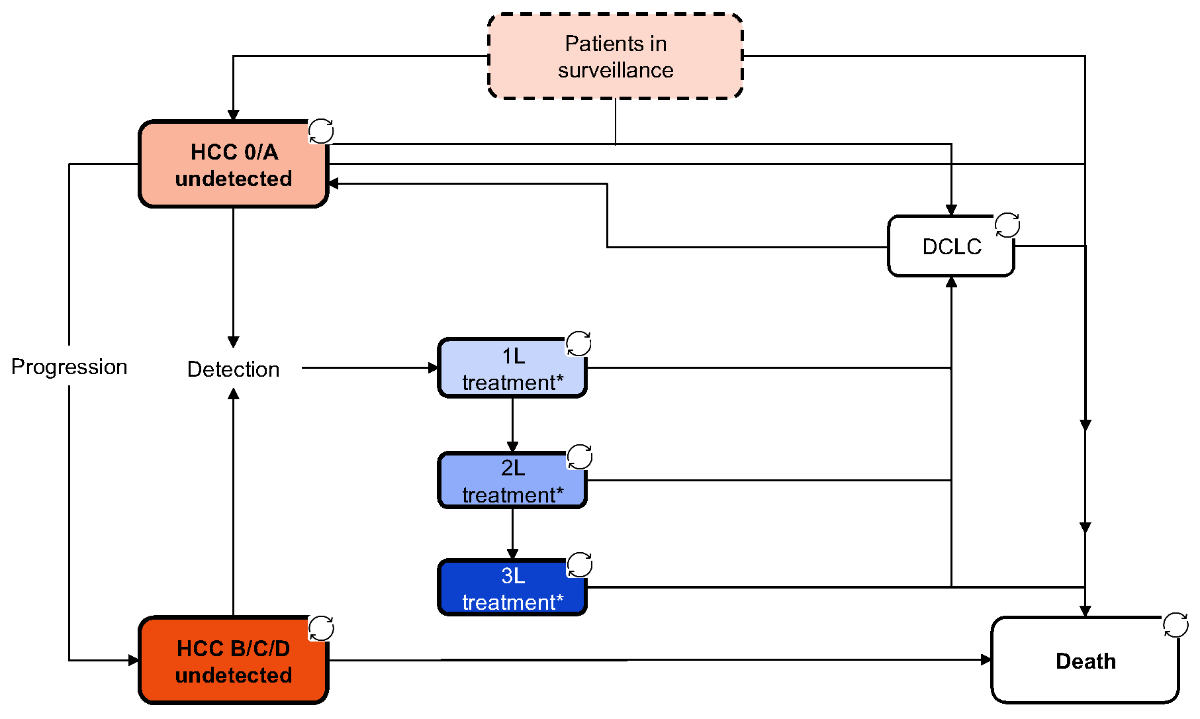
Figure 1Summary of study design and base
case results. AFP: α-fetoprotein; CHF: Swiss francs; GAAD: gender (biological
sex), age, AFP, PIVKA-II; HCC: hepatocellular carcinoma; ICER: incremental
cost-effectiveness ratio; QALY: quality-adjusted life year; US: ultrasound.
An
extended table of results detailing cost and health outcomes per cohort are
reported in appendix table S8. Of the 100,000 patients with compensated liver
cirrhosis in the simulation, 19,933 were considered to have developed hepatocellular
carcinoma within their lifetime. In comparison with no surveillance, patients
with hepatocellular carcinoma gained an average of 0.63 discounted quality-adjusted
life years with US, 0.75 with US+AFP and 0.78 with GAAD. GAAD had the highest
rate of early-stage hepatocellular carcinoma detection with surveillance (56%), followed
by US+AFP (53%)
and US (44%). US+AFP generated the highest number of false-positives (n = 123,687),
followed by GAAD (n = 103,643) and US (n = 69,764). GAAD produced the fewest false-negatives
(n = 5678), followed by US+AFP (n = 6361) and US (n = 10,378).
Table 4Base case results.
|
|
No surveillance |
US |
US+AFP |
GAAD |
| Cost per patient, CHF |
43,493.61 |
48,702.79 |
49,980.60 |
49,983.10 |
| QALYs per patient |
5.893 |
6.018 |
6.042 |
6.048 |
| Surveillance
strategies compared with no surveillance |
Incremental costs, CHF |
– |
5209.18 |
6486.99 |
6489.49 |
| Incremental QALYs |
– |
0.125 |
0.150 |
0.155 |
| ICER per QALY, CHF |
– |
41,509.01 |
43,321.81 |
41,798.74 |
| Surveillance
strategies compared with US |
Incremental costs, CHF |
– |
- |
1277.81 |
1280.30 |
| Incremental QALYs |
– |
- |
0.024 |
0.030 |
| ICER per QALY, CHF |
– |
- |
52,705.29 |
43,020.48 |
| Surveillance
strategies compared with US+AFP |
Incremental costs, CHF |
– |
- |
- |
2.49 |
| Incremental QALYs |
– |
- |
- |
0.006 |
| ICER per QALY, CHF |
– |
- |
- |
452.30 |
Sensitivity
analysis
Analyses
of paired comparisons are shown in figure 3. Compared with no surveillance, all
strategies were cost-effective at a cost-effectiveness threshold of CHF 100,000.
Compared with US, GAAD was the most cost-effective strategy, followed by
US+AFP. GAAD was also cost-effective compared with US+AFP at the cost-effectiveness
threshold depicted. Strategies were evaluated in terms of total discounted quality-adjusted
life years, costs and the estimated probability of cost-effectiveness for
different willingness-to-pay thresholds (figure 4). One-way sensitivity
analyses comparing all surveillance strategies are shown in appendix figures
S5–S10. Performance of diagnostic modalities, age at the start of surveillance
and annual incidental detection were the most influential variables. In
particular, tornado plots showed that the performance of GAAD and comparators
were the key variables contributing to the cost-effectiveness of GAAD (appendix
figures S9 and S10). The incremental net monetary benefit with 95% CIs for each
surveillance strategy are reported in appendix table S9.

Cost-effectiveness plane
depicting the incremental costs and effects of each surveillance strategy
versus comparator. AFP: α-fetoprotein;
CE: cost-effectiveness; CHF: Swiss franc; GAAD: gender (biological sex),
age, AFP, PIVKA-II; QALY: quality-adjusted life year;
US: ultrasound.

Probability
of being the most cost-effective option at a willingness-to-pay threshold of
CHF 100,000. AFP: α-fetoprotein; CHF: Swiss franc; CE: cost-effectiveness; GAAD: gender
(biological sex), age, AFP, PIVKA-II; US: ultrasound.
Scenario analysis
The
results of the deterministic base case for patients with compensated liver
cirrhosis, the reference case against which the results of all scenario
analyses were compared, are reported in appendix table S10. Compared with no
surveillance, incremental quality-adjusted life years were 0.130 for US, 0.165
for US+AFP and 0.166 for GAAD. Incremental cost-effectiveness ratios compared
with no surveillance were CHF 41,792.57, CHF 41,810.82 and CHF 40,921.24 for
US, US+AFP and GAAD, respectively. Incremental quality-adjusted life years
compared with US were 0.035 for US+AFP and 0.037 for GAAD. Compared with US,
the incremental cost-effectiveness ratios were CHF 41,877.95 for US+AFP and CHF
37,835.73 for GAAD. Compared with US+AFP, GAAD was the dominant strategy in
terms of incremental cost-effectiveness ratio.
In
scenario analysis (A), where surveillance was performed in a combined group of
patients with cirrhosis, non-cirrhotic HBV or FIB-3, incremental quality-adjusted
life years were fewer in comparison to the deterministic base case (appendix table
S11) as the incidence of hepatocellular carcinoma was lower than for patients with
compensated
liver cirrhosis only. Additionally, when compared with no surveillance, the
cost-effectiveness of all surveillance strategies decreased when surveillance
was performed in this combined patient group (cirrhosis, HBV or FIB-3) versus
the deterministic base case. For example, compared with no surveillance, the incremental
cost-effectiveness ratios for GAAD were CHF 40,921.24 in the deterministic base
case versus CHF 75,090.80. Compared with no surveillance, the most
cost-effective strategy was GAAD (incremental cost-effectiveness ratio: CHF 75,090.80),
followed by US (CHF 92,351.85) and US+AFP (CHF 96,974.25). Compared with US
alone, the incremental cost-effectiveness ratios for US+AFP and GAAD were CHF 113,824.80
and CHF 23,809.37, respectively. Compared with US+AFP, GAAD remained the
dominant strategy.
For
scenario analysis (B), which included patients with FIB-3 only, the cost-effectiveness
of surveillance strategies, in comparison with no surveillance, was lower
versus the deterministic base case (appendix table S12). In this scenario,
US+AFP and US were no longer cost-effective, whereas GAAD remained
cost-effective but with a greater incremental cost-effectiveness ratio. Compared
with no surveillance, GAAD was the most cost-effective (incremental
cost-effectiveness ratio: CHF 88,976.53), whereas US and US+AFP had incremental
cost-effectiveness ratios above the willingness-to-pay threshold (incremental
cost-effectiveness ratio: CHF 110,263.67 and 119,699.52, respectively). GAAD
was cost-effective, in comparison to US, in the FIB-3-only population (incremental
cost-effectiveness ratio: CHF 22,472.61). In contrast, US+AFP was not cost-effective
in comparison to US with an incremental cost-effectiveness ratio of CHF 158,680.66.
GAAD remained the dominant strategy compared with US+AFP, with an incremental
cost of CHF -921.82 and 0.002 incremental quality-adjusted life years.
In
scenario analysis (C), patients with cirrhotic MASLD only were included. Incremental
cost-effectiveness ratios for each strategy compared with no surveillance were
lower than in the deterministic base case: CHF 37,969.44 for GAAD, CHF 39,005.08
for US+AFP and CHF 39,237.15 for US (appendix table S13). The cost-effectiveness
of each strategy compared with US also further improved versus that of the
deterministic base case. Compared with US, the incremental cost-effectiveness
ratio was CHF 33,476.53 for GAAD and CHF 38,111.15 for US+AFP. GAAD was the
dominant strategy compared with US+AFP in this scenario (incremental cost: CHF
-83.84; incremental quality-adjusted life years: 0.004).
Scenario
analysis (D) showed that when surveillance was performed in patients with FIB-3
MASLD only, the costs per patient decreased and quality-adjusted life years
increased versus the deterministic base case (appendix table S14). Compared
with no surveillance, GAAD was the most cost-effective strategy (incremental
cost-effectiveness ratio: CHF 75,776.81), followed by US (CHF 90,362.51) and
US+AFP (CHF 96,910.72). Similarly, compared with US, GAAD was the most
cost-effective strategy (incremental cost-effectiveness ratio: CHF 31,095.91).
In this scenario, US+AFP was no longer cost-effective compared with US (incremental
cost-effectiveness ratio: CHF 122,967.28). GAAD was the dominant strategy
compared with US+AFP (incremental cost: CHF -828.44; incremental
quality-adjusted life years: 0.003).
In scenario analyses (E), (F) and
(G), the cost-effectiveness of GAAD was analysed after various increases to the
GAAD adherence rate: 10% (from 52.0% to 57.2%), 25% (from 52.0% to 65.0%) and
50% (from 52.0% to 78.0%). With each increase, quality-adjusted life years were
greater in comparison with the deterministic base case (appendix tables S15–S17).
Incremental cost-effectiveness ratios for GAAD compared with each strategy were
greater compared with the deterministic base case as GAAD adherence rates increased.
In
scenario analysis (H), where GALAD was included as an additional surveillance
strategy, costs were slightly greater for GALAD than GAAD and quality-adjusted
life years were similar (CHF 50,227.81 and 6.014 versus CHF 49,694.07 and 6.013,
respectively) (appendix table S18). Compared with no surveillance, GAAD was the
most cost-effective strategy (incremental cost-effectiveness ratio: CHF 40,921.24),
followed by US (CHF 41,792.57), US+AFP (CHF 41,812.45) and GALAD (CHF 43,832.44).
When compared with US, GAAD was the most cost-effective (incremental
cost-effectiveness ratio: CHF 37,835.73), followed by US+AFP (CHF 41,885.60)
and GALAD (CHF 50,840.89). GAAD was the dominant strategy compared with US+AFP.
GALAD was no longer cost-effective compared with US+AFP and GAAD, with incremental
cost-effectiveness ratios of CHF 177,927.32 and 474,692.26, respectively.
Discussion
The
prognosis at diagnosis of hepatocellular carcinoma is often poor, so effective
surveillance is required to facilitate earlier detection and thus improve
treatment options. This study used a simulated model to evaluate the cost-effectiveness
of different hepatocellular carcinoma surveillance strategies in Switzerland,
which, to our knowledge, is the first such study conducted in a Swiss
healthcare setting.
The
findings of this study indicate that, at a cost-effectiveness threshold of CHF 100,000,
6-monthly surveillance with the GAAD algorithm was cost-effective compared with
US and US+AFP, the current surveillance strategies recommended in Switzerland [16,
18]. These results are similar to those from a comparable analysis reporting
perspectives from the UK National Health Service, which found that GAAD alone
was the most cost-effective strategy compared with US and US+AFP in cirrhotic
patients [25]. The results of the UK analysis also indicated that 6-monthly hepatocellular
carcinoma surveillance with US or US+AFP is unlikely to be cost-effective at a cost-effectiveness
threshold of £30,000, but it becomes cost-effective at a cost-effectiveness
threshold of between £31,000 and £34,000. However, our findings were not consistent
with the results of another
recent North American cost-effectiveness analysis that found that US+AFP was dominant
compared to both US alone and no surveillance for the detection of hepatocellular
carcinoma in patients with compensated cirrhosis [37]. Despite these
differences, these studies highlight that although US+AFP and US alone are
currently the most widely recommended strategies for hepatocellular carcinoma
surveillance, additional cost-effectiveness studies to assess the role of
existing and novel strategies for hepatocellular carcinoma surveillance in a
diversity of healthcare settings are needed.
GAAD
alone was the preferred surveillance strategy in terms of quality-adjusted life
years gained, with potential drivers of this benefit including early detection
of hepatocellular carcinoma and the associated shift from late-stage treatment
(e.g. systemic) to early-stage treatment (e.g. orthotopic liver transplantation
and resection). The average increase in quality-adjusted life years per patient
for GAAD compared with each strategy was, as expected, small (0.006 compared
with US+AFP, 0.03 compared with US alone and 0.155 compared with no
surveillance), due to the fact that only a small fraction of patients who
underwent surveillance developed hepatocellular carcinoma. However, for these
patients, the increase in quality-adjusted life years was greater (0.03, 0.15
and 0.78 for GAAD compared with US+AFP, US alone and no surveillance,
respectively).
When determining the
cost-effectiveness of surveillance strategies, the incidence of hepatocellular
carcinoma in each patient population considered for surveillance is of
importance. In the
scenario analyses, incremental cost-effectiveness ratios with each surveillance
strategy were lower in patients with cirrhotic aetiologies, particularly
cirrhotic MASLD. Incremental cost-effectiveness ratios were greater in the
scenario with patients with compensated liver cirrhosis, HBV and FIB-3,
compared with the deterministic base case, likely due to the high incidence
rate of hepatocellular carcinoma in the cirrhotic population [1]. When the
analyses were performed in patients with FIB-3, whose risk of hepatocellular
carcinoma was lower than those with cirrhosis, incremental
cost-effectiveness ratios
were higher for all hepatocellular carcinoma surveillance strategies compared
with base case, with only GAAD remaining cost-effective. Previous studies have
shown that hepatocellular carcinoma risk can be stratified based on clinical
variables, including aetiology and molecular profiling [62–64]. Therefore,
determining the modality of surveillance based on individual hepatocellular
carcinoma risk may be more cost-effective than using a single strategy across
all patient populations. For example, psychiatric outpatients are more likely
to develop hepatitis C or cirrhosis and may therefore benefit from scaling-up
of hepatocellular carcinoma screening with GAAD [65]. Despite this variability
in cost-effectiveness, GAAD remained the most cost-effective option
compared with other strategies across all aetiology scenario analyses and the deterministic
base
case, likely due to the quality-adjusted life years gained as a result of
early-stage hepatocellular carcinoma diagnosis with GAAD.
Another factor that
significantly impacted cost-effectiveness was patient adherence to
surveillance, as reflected in scenario analyses E–G. When adherence to GAAD was
increased by 10%, 25% and 50%, the clinical effectiveness of GAAD improved.
Although the overall cost-effectiveness of GAAD was slightly reduced when
adherence was increased, GAAD remained cost-effective across all adherence
rates. This reduction in overall cost-effectiveness was due to increased costs
with greater adherence despite increased quality-adjusted life years.
While appropriate
data for GAAD in overweight, obese and diabetic populations were not available
at the time of the analysis, future research should investigate both the
performance and cost-effectiveness of surveillance strategies in such
populations. In particular, the increasing prevalence of non-cirrhotic MASLD in
overweight populations is a point of interest. Moreover, a recent phase III cohort
study demonstrated greater predictive value for the composite biomarker score,
HES V2.0, which combines changes in AFP, AFP-L3 and PIVKA-II over 12 months
with age, platelets, alanine transaminase and underlying disease aetiology,
compared with GALAD and ASAP scores (age, sex, AFP and PIVKA-II) [66]. However,
it should be noted that the cut-offs for GALAD used in this study are not those
validated for clinical use and the sample size was relatively small [66]. As
such, future research should aim to further validate the performance of the HES
V2.0 strategy and once costs are available, its cost-effectiveness compared
with other available strategies warrants investigation.
It
is important to consider that data on the performance of GAAD were only
available from studies of case-control design, which have inherent limitations
that can result in the overestimation of test performance. These data can be
considered less extensive and robust than the meta-analysis data available for
the performance of the other surveillance strategies, such as US±AFP [67]. Nevertheless,
we expect that the potential differences in performance estimations coming from
the study designs were captured in the various sensitivity analyses. When all
surveillance interventions were compared with no surveillance, changes in
performance estimates did not play a relevant role (appendix figures S5–S7).
Similarly, when compared with US, a lower sensitivity or specificity for GAAD,
even below the 95% CI limit, did not change the conclusions. However, as GAAD
and US+AFP have similar total costs and quality-adjusted life years, the
results for this comparison were more sensitive to changes in performance
estimates. Despite this, the 95% CIs around the incremental net monetary
benefit values for each comparison were small, indicating a low level of
variability in the data.
Although
the base case probabilistic results suggest that GAAD was nearly cost-neutral compared
with US+AFP, with a low incremental cost-effectiveness ratio per quality-adjusted
life year of CHF 452, this result was dependent on performance data (appendix
figure S10). GALAD, for which performance data from prospective cohort studies are
available [68], has shown similar performance to GAAD [51]. Despite the
inclusion of GALAD in scenario analysis H, GAAD remained the most
cost-effective strategy compared with no surveillance, US and US+AFP. Although
the inclusion of AFP-L3 in GALAD led to slightly higher quality-adjusted life years
than GAAD, this was not cost-effective due to the extra cost of the additional
biomarker test. These data indicate that GAAD is the preferred strategy over
GALAD in terms of cost-effectiveness.
However, as AFP-L3 is not available in Switzerland, it should be noted that the
costs of GALAD were based on assumptions involving other available test prices,
as detailed in the appendix (page 2).
There
were several limitations associated with the analysis. Several parameters were
obtained using non-Swiss databases or patients, including the survival curves
stratified by hepatocellular carcinoma, which were taken from a German study [48];
the model only considered early- and late-stage hepatocellular carcinoma owing
to a lack of data on the surveillance strategies by hepatocellular carcinoma
stage, and a number of parameters were assumed to be equal irrespective of
patient sex owing to a lack of data and for model simplification, including
progression rates, incidence rates and statistics for survival curves. The
absence of a single source providing a comprehensive performance estimate for
all the strategies under comparison could also have created biases and
potentially impacted the results. Additionally, in the scenario analyses,
similar performance of US and US+AFP was assumed for both cirrhotic and
non-cirrhotic disease. However, there is evidence to suggest that US performs
better in non-cirrhotic aetiologies compared with cirrhotic aetiologies, due to
decreased nodularity and better-defined margins, resulting in a clearer image [69].
Due to a lack of data and suitable sources for utilities, for some parameters,
the most appropriate sources were slightly dated and based on viraemic HCV
patients. TARDOC tariffs were not considered as they were not yet finalised at
the time of the analysis. However, according to the deterministic sensitivity
analysis, the cost elements concerned were not considered to have a substantial
impact on the final results. Comparisons with GAAD+US were not included in the
sensitivity analysis owing to the lack of robustness of the data available.
Therefore, further investigation is needed for this comparison. Finally,
external validity may be limited outside of a Swiss healthcare setting.
However, the Swiss setting was selected due to the high standard of healthcare
quality, comprehensive data availability and well-studied patient population,
which enhances generalisability and comparisons to other healthcare settings. Furthermore,
the conclusions were similar to those found in the UK-based cost-effectiveness
analysis [25], indicating that these data are likely applicable to other
healthcare systems.
Conclusion
Our
analyses found that hepatocellular carcinoma surveillance is cost-effective in
Switzerland, regardless of the modality used. Notably, GAAD was the most
cost-effective strategy when compared with US alone. GAAD was nearly cost-neutral
compared with US+AFP, with similar costs but higher quality-adjusted life years,
although this was dependent on the performance data of both GAAD and the
operator-dependent US combined with AFP. Further investigations are required to
confirm these findings and to optimise surveillance of patients at risk of hepatocellular
carcinoma.
Data availability statement
The data supporting the conclusions of this article are
publicly available and fully reported in the publication. Further data requests
can be addressed to the corresponding author and data will be made
available on reasonable request. The study protocol is described throughout the
publication; however, any methodological questions can be addressed to the
corresponding Methods author (Osvaldo Ulises Garay, MSc; Global Access &
Policy, Roche Diagnostics International; Forrenstrasse 2, Switzerland, 6343
Rotkreuz ZG).
Acknowledgments
Author contributions: All authors made substantial contributions to the
conception or design of the work, or acquisition, analysis or interpretation of
data for the work; drafting the work or revising it critically for important
intellectual content; provided final approval of the version to be published
and agreement to be accountable for all aspects of the work in ensuring that
questions related to the accuracy or integrity of any part of the work are
appropriately investigated and resolved.
Dr Nicolas Goossens
Division
of Gastroenterology and Hepatology and Division of Transplantation
Geneva
University Hospitals
Rue Gabrielle-Perret-Gentil 4
CH-1205 Genève
Nicolas.Goossens[at]hug.ch
References
1. Llovet JM, Kelley RK, Villanueva A, Singal AG, Pikarsky E, Roayaie S, et al. Hepatocellular
carcinoma. Nat Rev Dis Primers. 2021 Jan;7(1):6. 10.1038/s41572-020-00240-3
2. Sung H, Ferlay J, Siegel RL, Laversanne M, Soerjomataram I, Jemal A, et al. Global
Cancer Statistics 2020: GLOBOCAN estimates of incidence and mortality worldwide for
36 cancers in 185 countries. CA Cancer J Clin. 2021 May;71(3):209–49. 10.3322/caac.21660
3. Rumgay H, Arnold M, Ferlay J, Lesi O, Cabasag CJ, Vignat J, et al. Global burden of
primary liver cancer in 2020 and predictions to 2040. J Hepatol. 2022 Dec;77(6):1598–606.
10.1016/j.jhep.2022.08.021
4. Ebrahimi F, Hagström H, Sun J, Bergman D, Shang Y, Yang W, et al. Familial coaggregation
of MASLD with hepatocellular carcinoma and adverse liver outcomes: nationwide multigenerational
cohort study. J Hepatol. 2023 Dec;79(6):1374–84. 10.1016/j.jhep.2023.08.018
5. Girardin F, Hearmon N, Castro E, Negro F, Eddowes L, Gétaz L, et al. Modelling the
impact and cost-effectiveness of extended hepatitis C virus screening and treatment
with direct-acting antivirals in a Swiss custodial setting. Clin Infect Dis. 2019 Nov;69(11):1980–6.
10.1093/cid/ciz088
6. Girardin F, Painter C, Hearmon N, Eddowes L, Kaiser S, Negro F, et al. Hepatitis C
prevalences in the psychiatric setting: cost-effectiveness of scaling-up screening
and direct-acting antiviral therapy. JHEP Rep. 2021 ;3(3):100279. 10.1016/j.jhepr.2021.100279
7. Herbst DA, Reddy KR. Risk factors for hepatocellular carcinoma. Clin Liver Dis (Hoboken).
2013 Jan;1(6):180–2. 10.1002/cld.111
8. West J, Card TR, Aithal GP, Fleming KM. Risk of hepatocellular carcinoma among individuals
with different aetiologies of cirrhosis: a population-based cohort study. Aliment
Pharmacol Ther. 2017 Apr;45(7):983–90. 10.1111/apt.13961
9. Balogh J, Victor D 3rd, Asham EH, Burroughs SG, Boktour M, Saharia A, et al. Hepatocellular
carcinoma: a review. J Hepatocell Carcinoma. 2016 Oct;3:41–53. 10.2147/JHC.S61146
10. Benson AB, D’Angelica MI, Abbott DE, Anaya DA, Anders R, Are C, et al. Hepatobiliary
Cancers, Version 2.2021, NCCN Clinical Practice Guidelines in Oncology. J Natl Compr
Canc Netw. 2021 May;19(5):541–65. 10.6004/jnccn.2021.0022
11. Bordoni A, Cerny A, Bihl F, Alerci M, Mazzola P, Peverelli S, et al. Survival of hepatocellular
carcinoma patients is significantly improving: a population-based study from southern
Switzerland. Cancer Epidemiol. 2014 Dec;38(6):679–85. 10.1016/j.canep.2014.09.008
12. Hong TP, Gow PJ, Fink M, Dev A, Roberts SK, Nicoll A, et al. Surveillance improves
survival of patients with hepatocellular carcinoma: a prospective population-based
study. Med J Aust. 2018 Oct;209(8):348–54. 10.5694/mja18.00373
13. Tzartzeva K, Obi J, Rich NE, Parikh ND, Marrero JA, Yopp A, et al. Surveillance imaging
and alpha fetoprotein for early detection of hepatocellular carcinoma in patients
with cirrhosis: a meta-analysis. Gastroenterology. 2018 May;154(6):1706–1718.e1. 10.1053/j.gastro.2018.01.064
14. Omata M, Cheng AL, Kokudo N, Kudo M, Lee JM, Jia J, et al. Asia-Pacific clinical practice
guidelines on the management of hepatocellular carcinoma: a 2017 update. Hepatol Int.
2017 Jul;11(4):317–70. 10.1007/s12072-017-9799-9
15. Singh G, Yoshida EM, Rathi S, Marquez V, Kim P, Erb SR, et al. Biomarkers for hepatocellular
cancer. World J Hepatol. 2020 Sep;12(9):558–73. 10.4254/wjh.v12.i9.558
16. Sangro B, Argemi J, Ronot M, Paradis V, Meyer T, Mazzaferro V, et al.; European Association
for the Study of the Liver. EASL Clinical Practice Guidelines on the management of
hepatocellular carcinoma. J Hepatol. 2025 Feb;82(2):315–74. 10.1016/j.jhep.2024.08.028
17. Tacke F, Horn P, Wai-Sun Wong V, Ratziu V, Bugianesi E, Francque S, et al.; European
Association for the Study of the Liver (EASL); European Association for the Study
of Diabetes (EASD); European Association for the Study of Obesity (EASO). EASL-EASD-EASO
Clinical Practice Guidelines on the management of metabolic dysfunction-associated
steatotic liver disease (MASLD). J Hepatol. 2024 Sep;81(3):492–542. 10.1016/j.jhep.2024.04.031
18. Goossens N, Toso C, Heim MH. Management of hepatocellular carcinoma: SASL expert opinion
statement. Swiss Med Wkly. 2020 Jul;150(3132):w20296. 10.4414/smw.2020.20296
19. Singal AG, Llovet JM, Yarchoan M, Mehta N, Heimbach JK, Dawson LA, et al. AASLD Practice
Guidance on prevention, diagnosis, and treatment of hepatocellular carcinoma. Hepatology.
2023 Dec;78(6):1922–65. doi: https://doi.org/10.1097/HEP.0000000000000466
20. Yang JD, Dai J, Singal AG, Gopal P, Addissie BD, Nguyen MH, et al. Improved performance
of serum alpha-fetoprotein for hepatocellular carcinoma diagnosis in HCV cirrhosis
with normal alanine transaminase. Cancer Epidemiol Biomarkers Prev. 2017 Jul;26(7):1085–92.
10.1158/1055-9965.Epi-16-0747 doi: https://doi.org/10.1158/1055-9965.EPI-16-0747
21. Parikh ND, Mehta AS, Singal AG, Block T, Marrero JA, Lok AS. Biomarkers for the early
detection of hepatocellular carcinoma. Cancer Epidemiol Biomarkers Prev. 2020 Dec;29(12):2495–503.doi: https://doi.org/10.1158/1055-9965.EPI-20-0005
22. Lee Q, Yu X, Yu W. The value of PIVKA-Ⅱ versus AFP for the diagnosis and detection
of postoperative changes in hepatocellular carcinoma. J Interv Med. 2021 Mar;4(2):77–81.
10.1016/j.jimed.2021.02.004
23. Piratvisuth T, Hou J, Tanwandee T, Berg T, Vogel A, Trojan J, et al. Development and
clinical validation of a novel algorithmic score (GAAD) for detecting HCC in prospective
cohort studies. Hepatol Commun. 2023 Nov;7(11):e0317. 10.1097/hc9.0000000000000317
24. Wolf E, Rich NE, Marrero JA, Parikh ND, Singal AG. Use of hepatocellular carcinoma
surveillance in patients with cirrhosis: a systematic review and meta-analysis. Hepatology.
2021 Feb;73(2):713–25. 10.1002/hep.31309
25. Garay OU, Ambühl LE, Bird TG, Barnes E, Irving WL, Walkley R, et al. Cost-Effectiveness
of Hepatocellular Carcinoma Surveillance Strategies in Patients With Compensated Liver
Cirrhosis in the United Kingdom. Value Health. 2024 Dec;27(12):1698–709. 10.1016/j.jval.2024.07.015
26. Zhao C, Jin M, Le RH, Le MH, Chen VL, Jin M, et al. Poor adherence to hepatocellular
carcinoma surveillance: A systematic review and meta-analysis of a complex issue.
Liver Int. 2018 Mar;38(3):503–14. 10.1111/liv.13555
27. McLernon DJ, Dillon J, Donnan PT. Health-state utilities in liver disease: a systematic
review. Med Decis Making. 2008;28(4):582–92. 10.1177/0272989x08315240
28. Lima PH, Fan B, Bérubé J, Cerny M, Olivié D, Giard JM, et al. Cost-utility analysis
of imaging for surveillance and diagnosis of hepatocellular carcinoma. AJR Am J Roentgenol.
2019 Jul;213(1):17–25. 10.2214/ajr.18.20341
29. Fédération des médecins suisses [Internet]. TARMED tariff online browser. 2025 [cited
2025 Sep 26]. Available from: https://www.tarmed-browser.ch/de
30. Federal Office of Public Health [Internet]. List of analyses with tariffs. 2023 [cited
2025 Sep 26]. Available from: https://www.bag.admin.ch/bag/de/home/versicherungen/krankenversicherung/krankenversicherung-leistungen-tarife/Analysenliste.html
31. Federal Statistical Office [Internet]. Health. 2023 [cited 2025 Sep 26]. Available
from: https://www.bfs.admin.ch/bfs/en/home/statistiken/gesundheit.html
32. Bayer (Switzerland) Ltd [Internet]. NEXAVAR Filmtabl 200 mg. 2023 [cited 2025 Sep
26]. Available from: https://compendium.ch/product/1032677-nexavar-cpr-pell-200-mg
33. Eisai Pharma AG [Internet]. Lenvima®. 2023 [cited 2025 Sep 26]. Available from: https://compendium.ch/product/1304127-lenvima-kaps-4-mg/mpro#
34. Pfeil AM, Reich O, Guerra IM, Cure S, Negro F, Müllhaupt B, et al. Cost-effectiveness
analysis of sofosbuvir compared to current standard treatment in Swiss patients with
chronic hepatitis C. PLoS One. 2015 May;10(5):e0126984. 10.1371/journal.pone.0126984
35. Blach S, Schaetti C, Bruggmann P, Negro F, Razavi H. Cost-effectiveness analysis of
strategies to manage the disease burden of hepatitis C virus in Switzerland. Swiss
Med Wkly. 2019 Mar;149(1112):w20026. 10.4414/smw.2019.20026
36. Kao SZ, Sangha K, Fujiwara N, Hoshida Y, Parikh ND, Singal AG. Cost-effectiveness
of a precision hepatocellular carcinoma surveillance strategy in patients with cirrhosis.
EClinicalMedicine. 2024 Aug;75:102755. 10.1016/j.eclinm.2024.102755
37. Parikh ND, Singal AG, Hutton DW, Tapper EB. Cost-effectiveness of hepatocellular carcinoma
surveillance: an assessment of benefits and harms. Am J Gastroenterol. 2020 Oct;115(10):1642–9.
10.14309/ajg.0000000000000715
38. Kim HL, An J, Park JA, Park SH, Lim YS, Lee EK. Magnetic resonance imaging is cost-effective
for hepatocellular carcinoma surveillance in high-risk patients with cirrhosis. Hepatology.
2019 Apr;69(4):1599–613. 10.1002/hep.30330
39. Marot A, Henrion J, Knebel JF, Moreno C, Deltenre P. Alcoholic liver disease confers
a worse prognosis than HCV infection and non-alcoholic fatty liver disease among patients
with cirrhosis: an observational study. PLoS One. 2017 Oct;12(10):e0186715. 10.1371/journal.pone.0186715
40. Thiele M, Gluud LL, Fialla AD, Dahl EK, Krag A. Large variations in risk of hepatocellular
carcinoma and mortality in treatment naïve hepatitis B patients: systematic review
with meta-analyses. PLoS One. 2014 Sep;9(9):e107177. 10.1371/journal.pone.0107177
41. NICE guidelines [Internet]. Cirrhosis in over 16s: assessment and management. 2016
[cited 2025 Sep 26]. Available from: https://www.nice.org.uk/guidance/ng50/resources/cirrhosis-in-over-16s-assessment-and-management-pdf-1837506577093
42. Fleming KM, Aithal GP, Card TR, West J. The rate of decompensation and clinical progression
of disease in people with cirrhosis: a cohort study. Aliment Pharmacol Ther. 2010 Dec;32(11-12):1343–50.
10.1111/j.1365-2036.2010.04473.x
43. Dakin H, Bentley A, Dusheiko G. Cost-utility analysis of tenofovir disoproxil fumarate
in the treatment of chronic hepatitis B. Value Health. 2010 Dec;13(8):922–33. 10.1111/j.1524-4733.2010.00782.x
44. Wright M, Grieve R, Roberts J, Main J, Thomas HC. Health benefits of antiviral therapy
for mild chronic hepatitis C: randomised controlled trial and economic evaluation.
Health Technol Assess. 2006 Jul;10(21):1-113, iii. doi: 10.3310/hta10210.
45. Estes C, Razavi H, Loomba R, Younossi Z, Sanyal AJ. Modeling the epidemic of nonalcoholic
fatty liver disease demonstrates an exponential increase in burden of disease. Hepatology.
2018 Jan;67(1):123–33. 10.1002/hep.29466
46. Kondo T, Koroki K, Kanzaki H, Kobayashi K, Kiyono S, Nakamura M, et al. Impact of
acute decompensation on the prognosis of patients with hepatocellular carcinoma. PLoS
One. 2022 Jan;17(1):e0261619. 10.1371/journal.pone.0261619
47. Thompson Coon J, Rogers G, Hewson P, Wright D, Anderson R, Cramp M, et al. Surveillance
of cirrhosis for hepatocellular carcinoma: systematic review and economic analysis.
Health Technol Assess. 2007 Sep;11(34):1–206. 10.3310/hta11340
48. Kirstein MM, Schweitzer N, Winter T, Lappas K, Graen N, Kunstmann I, et al. Patterns
and challenges of treatment sequencing in patients with hepatocellular carcinoma:
experience from a German referral center. J Gastroenterol Hepatol. 2017 Oct;32(10):1730–8.
10.1111/jgh.13761
49. Schwab S, Elmer A, Sidler D, Straumann L, Stürzinger U, Immer F. Selection Bias in
Reporting of Median Waiting Times in Organ Transplantation. JAMA Netw Open. 2024 Sep;7(9):e2432415.
10.1001/jamanetworkopen.2024.32415
50. Briggs A, Claxton K, Sculpher M. Decision Modelling For Health Economic Evaluation.
Oxford University Press; 2006. doi: https://doi.org/10.1093/oso/9780198526629.001.0001
51. Guan MC, Zhang SY, Ding Q, Li N, Fu TT, Zhang GX, et al. The performance of GALAD
score for diagnosing hepatocellular carcinoma in patients with chronic liver diseases:
a systematic review and meta-analysis. J Clin Med. 2023 Jan;12(3):949. 10.3390/jcm12030949
52. Chalasani NP, Porter K, Bhattacharya A, Book AJ, Neis BM, Xiong KM, et al. Validation
of a novel multitarget blood test shows high sensitivity to detect early stage hepatocellular
carcinoma. Clin Gastroenterol Hepatol. 2022 Jan;20(1):173–182.e7. 10.1016/j.cgh.2021.08.010
53. Chalasani NP, Ramasubramanian TS, Bhattacharya A, Olson MC, Edwards V DK, Roberts LR,
et al. A novel blood-based panel of methylated DNA and protein markers for detection
of early-stage hepatocellular carcinoma. Clin Gastroenterol Hepatol. 2021 Dec;19(12):2597–2605.e4.
10.1016/j.cgh.2020.08.065
54. Lambrecht J, Porsch-Özçürümez M, Best J, Jost-Brinkmann F, Roderburg C, Demir M, et
al. The APAC score: a novel and highly performant serological tool for early diagnosis
of hepatocellular carcinoma in patients with liver cirrhosis. J Clin Med. 2021 Jul;10(15):3392.
10.3390/jcm10153392
55. Singal AG, Tayob N, Mehta A, Marrero JA, El-Serag H, Jin Q, et al. GALAD demonstrates
high sensitivity for HCC surveillance in a cohort of patients with cirrhosis. Hepatology.
2022 Mar;75(3):541–9. 10.1002/hep.32185
56. Yang JD, Addissie BD, Mara KC, Harmsen WS, Dai J, Zhang N, et al. GALAD score for
hepatocellular carcinoma detection in comparison with liver ultrasound and proposal
of GALADUS score. Cancer Epidemiol Biomarkers Prev. 2019 Mar;28(3):531–8. 10.1158/1055-9965.Epi-18-0281
57. Caviglia GP, Abate ML, Petrini E, Gaia S, Rizzetto M, Smedile A. Highly sensitive
alpha-fetoprotein, Lens culinaris agglutinin-reactive fraction of alpha-fetoprotein
and des-gamma-carboxyprothrombin for hepatocellular carcinoma detection. Hepatol Res.
2016 Mar;46(3):E130–5. 10.1111/hepr.12544
58. Tayob N, Kanwal F, Alsarraj A, Hernaez R, El-Serag HB. The performance of AFP, AFP-3,
DCP as biomarkers for detection of hepatocellular carcinoma (HCC): a phase 3 biomarker
study in the United States. Clin Gastroenterol Hepatol. 2023 Feb;21(2):415–423.e4.
10.1016/j.cgh.2022.01.047
59. Freeman SC, Kerby CR, Patel A, Cooper NJ, Quinn T, Sutton AJ. Development of an interactive
web-based tool to conduct and interrogate meta-analysis of diagnostic test accuracy
studies: MetaDTA. BMC Med Res Methodol. 2019 Apr;19(1):81. 10.1186/s12874-019-0724-x
60. MetaDTA [Internet]. Diagnostic test accuracy mete-analysis v2.1.3. 2024 [cited 2025
Sep 26]. Available from: https://crsu.shinyapps.io/MetaDTA/
61. Patel A, Cooper N, Freeman S, Sutton A. Graphical enhancements to summary receiver
operating characteristic plots to facilitate the analysis and reporting of meta-analysis
of diagnostic test accuracy data. Res Synth Methods. 2021 Jan;12(1):34–44. 10.1002/jrsm.1439
62. Goossens N, Bian CB, Hoshida Y. Tailored algorithms for hepatocellular carcinoma surveillance:
is one-size-fits-all strategy outdated? Curr Hepatol Rep. 2017 Mar;16(1):64–71. 10.1007/s11901-017-0336-z
63. Ioannou GN. HCC surveillance after SVR in patients with F3/F4 fibrosis. J Hepatol.
2021 Feb;74(2):458–65. 10.1016/j.jhep.2020.10.016
64. Bengtsson B, Widman L, Wahlin S, Stål P, Björkström NK, Hagström H. The risk of hepatocellular
carcinoma in cirrhosis differs by etiology, age and sex: A Swedish nationwide population-based
cohort study. United European Gastroenterol J. 2022 Jun;10(5):465–76. 10.1002/ueg2.12238
65. Girardin F, Tuch A, Eddowes L, Preisig M, Negro F. Scaling-up hepatitis C screening
and treatment in Swiss outpatient psychiatric settings: A cost-effectiveness analysis.
JHEP Rep. 2022 Mar;4(5):100464. 10.1016/j.jhepr.2022.100464
66. El-Serag HB, Jin Q, Tayob N, Salem E, Luster M, Alsarraj A, et al. HES V2.0 outperforms
GALAD for detection of HCC: A phase 3 biomarker study in the United States. Hepatology.
2025 Feb;81(2):465–75. 10.1097/hep.0000000000000953
67. Hou J, Berg T, Vogel A, Piratvisuth T, Torjan J, De Toni EN, et al., editors. GAAD
and GALAD algorithmic scores demonstrate equivalent clinical performance for hepatocellular
carcinoma (HCC) surveillance in prospective, multicenter, case-control studies. Proceedings
of EuroMedLab; 2023 May 21-25; Rome, Italy.
68. Huang CF, Kroeniger K, Wang CW, Jang TY, Yeh ML, Liang PC, et al. Surveillance Imaging
and GAAD/GALAD Scores for Detection of Hepatocellular Carcinoma in Patients with Chronic
Hepatitis. J Clin Transl Hepatol. 2024 Nov;12(11):907–16. 10.14218/jcth.2024.00172
69. Jamwal R, Krishnan V, Kushwaha DS, Khurana R. Hepatocellular carcinoma in non-cirrhotic
versus cirrhotic liver: a clinico-radiological comparative analysis. Abdom Radiol
(NY). 2020 Aug;45(8):2378–87. 10.1007/s00261-020-02561-z
Appendix
The appendix is available in the pdf version of the article at https://doi.org/10.57187/4469.